
Beautiful Plants For Your Interior
Beautiful Plants For Your Interior
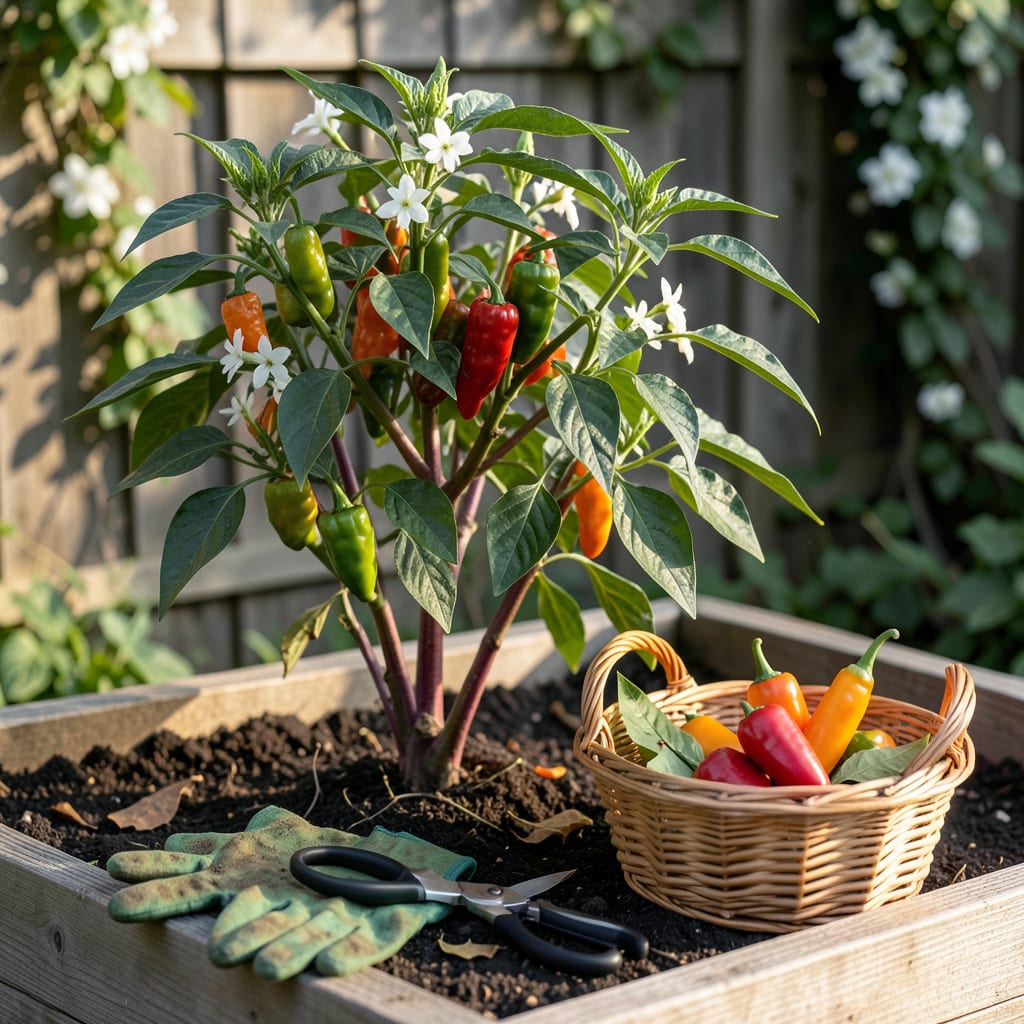
That moment when you finally pluck your 🌶️ Ghost Peppers—only to realize they lack that legendary fire? Timing is everything. These fiery gems don’t just turn red overnight; their heat builds gradually, and picking too soon means missing out on their full 1 million+ Scoville potential.
I’ve seen gardeners rush the harvest and regret it. The difference between a “hot” pepper and a face-melting one often comes down to just a few days. Let’s break down the exact signs to watch for—so you don’t leave that intense flavor on the vine.


Timing is everything when harvesting ghost peppers—pick too early, and you’ll miss out on their legendary 1 million+ Scoville heat. Wait too long, and you risk rot or split skins. I’ve learned the hard way that these peppers don’t follow a calendar; they tell you when they’re ready.
The secret lies in watching for visual and physical cues, not just days on the plant. From color shifts to stem firmness, these signs reveal peak ripeness—and peak heat. Let’s break down what to look for so you don’t end up with lackluster peppers. 🌱
Pro Tip: Use gloves when handling—ghost peppers can burn skin even before cutting! ✂️
First, focus on color transformation. Ghost peppers start green, then shift to yellow, and finally reach their fiery orange-red prime. That final hue signals maximum capsaicin production—the compound responsible for heat. I’ve tested peppers at each stage, and the difference is staggering.
Next, check the size and shape. A mature ghost pepper measures 3–4 inches long with a slightly wrinkled, plump body. If it’s under 2 inches, it’s still developing. Over 4 inches? It might be overripe and losing heat. Think Goldilocks: you want it just right.
The skin texture is your next clue. Gently squeeze the pepper—it should feel firm but yield slightly, like a ripe avocado. If it’s rock-hard, it needs more time. If it’s mushy, it’s past its prime and may have started to rot inside. Trust your fingers!
Don’t overlook the stem test. Bend the pepper’s stem gently—if it snaps cleanly, it’s ready. If it bends without breaking, wait a few more days. This simple trick prevents tearing the plant and ensures the pepper detaches without stress.
Finally, give it the sniff test. A ripe ghost pepper emits a distinct, spicy aroma even uncut. If you don’t smell that signature heat, the capsaicin isn’t fully developed. I once harvested a batch too early, and the lack of scent was my first red flag—don’t make my mistake!
Remember, ghost peppers typically take 90–120 days from planting to harvest, but climate plays a role. In hotter zones, they may ripen faster; in cooler areas, they might need extra time. When in doubt, prioritize these physical signs over the calendar. 🌡️
Once you’ve confirmed all the signs, use sharp pruners or scissors to cut the stem, leaving a ½-inch stub. Avoid pulling by hand—this can damage the plant and reduce future yields. Store your harvest in a cool, dry place to preserve that intense heat for months. 🪴
If you’re growing ghost peppers, timing your harvest is everything. The 90–120 day maturity window can shift dramatically based on your USDA growing zone and local climate. In hotter regions like the Southern U.S., expect peppers to ripen faster, while cooler zones may extend the wait.
Microclimates matter too—container gardens dry out faster, speeding up ripening, while shaded areas delay maturity. I’ve seen early frosts ruin a late-season crop, so keep an eye on forecasts. Adjusting for these factors ensures you don’t miss the peak heat window.
| Region | Days to Maturity | Best Harvest Months | Climate Tip |
|---|---|---|---|
| Southern U.S. (Zones 8-10) | 90–100 days | July–August | Heatwaves may speed ripening; water deeply. |
| Midwest (Zones 5-7) | 100–110 days | August–September | Watch for early frosts; use row covers if needed. |
| Northern U.S. (Zones 3-5) | 110–120 days | September–October | Start seeds indoors; extend season with cloches. |
| Container Gardens | 95–105 days | Varies by indoor/outdoor | Move pots to sunniest spots; monitor soil moisture. |
In hotter climates, ghost peppers often ripen 10–14 days earlier than the seed packet suggests. I’ve found that consistent warmth above 80°F accelerates capsaicin production, giving you that 1M+ Scoville heat sooner. Use a soil thermometer to track progress.
For cooler regions, don’t panic if your peppers lag. Try black plastic mulch to warm the soil or row covers to trap heat. If frost threatens, harvest mature green peppers—they’ll ripen indoors but won’t reach full heat potential.
Pro tip: Track your first bloom date. Ghost peppers typically need 60–70 days from flowering to harvest. Jot it down in your gardening journal, and count forward to estimate your window. This trick has saved my harvests more than once!
Remember, size isn’t everything. A 3-inch pepper might be ready in Zone 9, while the same size in Zone 5 could still be green inside. Always check color and firmness—those are your best indicators for that perfect, fiery harvest.
Even experienced gardeners can sabotage their ghost pepper harvest without realizing it. I’ve made these mistakes myself—like harvesting too early or letting peppers overripen—and paid the price with lackluster heat. The good news? Each error has a simple fix. 🌱
One of the biggest blunders is picking peppers based on size alone. A 3-inch ghost pepper might look ready, but if it’s still green or pale yellow, its capsaicin levels are underdeveloped. Always wait for that vibrant orange-red hue—it’s your guarantee of maximum heat.
Quick Fix: Use a magnifying glass to inspect skin texture—wrinkles = perfect ripeness! 🪴
Another common mistake is waiting too long. Overripe ghost peppers develop soft spots and may start rotting on the vine. I lost an entire batch once by assuming “redder = better.” Instead, harvest when the pepper is firm and its aroma is strong but not fermented.
Improper post-harvest handling is the third pitfall. Leaving peppers in direct sunlight or high humidity causes capsaicin breakdown, dulling their heat. Store them in a paper bag in the fridge for short-term use, or dry them in a well-ventilated area for long-term storage.
Pro tip: Always wear nitrile gloves when handling ghost peppers—even uncut ones can cause skin irritation. I learned this the hard way after a painful afternoon of rubbing my eyes! Keep a bottle of milk or yogurt nearby too, just in case of accidental contact. 💧
Look for a bright orange-red color and a firm texture with slight give. The stem should snap cleanly when bent, and you’ll notice a strong, spicy aroma even before cutting. These signs indicate peak capsaicin levels for that signature fire.
Yes, but expect 50% less heat if picked green. If frost threatens, harvest mature green peppers and let them ripen indoors in a paper bag at room temperature. They’ll turn red but won’t reach full Scoville potential.
Always wear nitrile gloves—even uncut peppers can irritate skin. Store in a cool, dark place (like a pantry) for short-term use, or dry them in a well-ventilated area for long-term storage. Avoid sunlight, which breaks down capsaicin.
Sun exposure and airflow cause uneven ripening. Peppers facing south or west get more sunlight and mature quicker. Rotate pots weekly (if container-grown) or prune leaves blocking light to even out the harvest.
Try placing a ripe banana in a sealed bag with green peppers—the ethylene gas accelerates color change. Keep them at 70–80°F for best results. This won’t boost heat but helps reach full color faster.
