
Beautiful Plants For Your Interior
Beautiful Plants For Your Interior
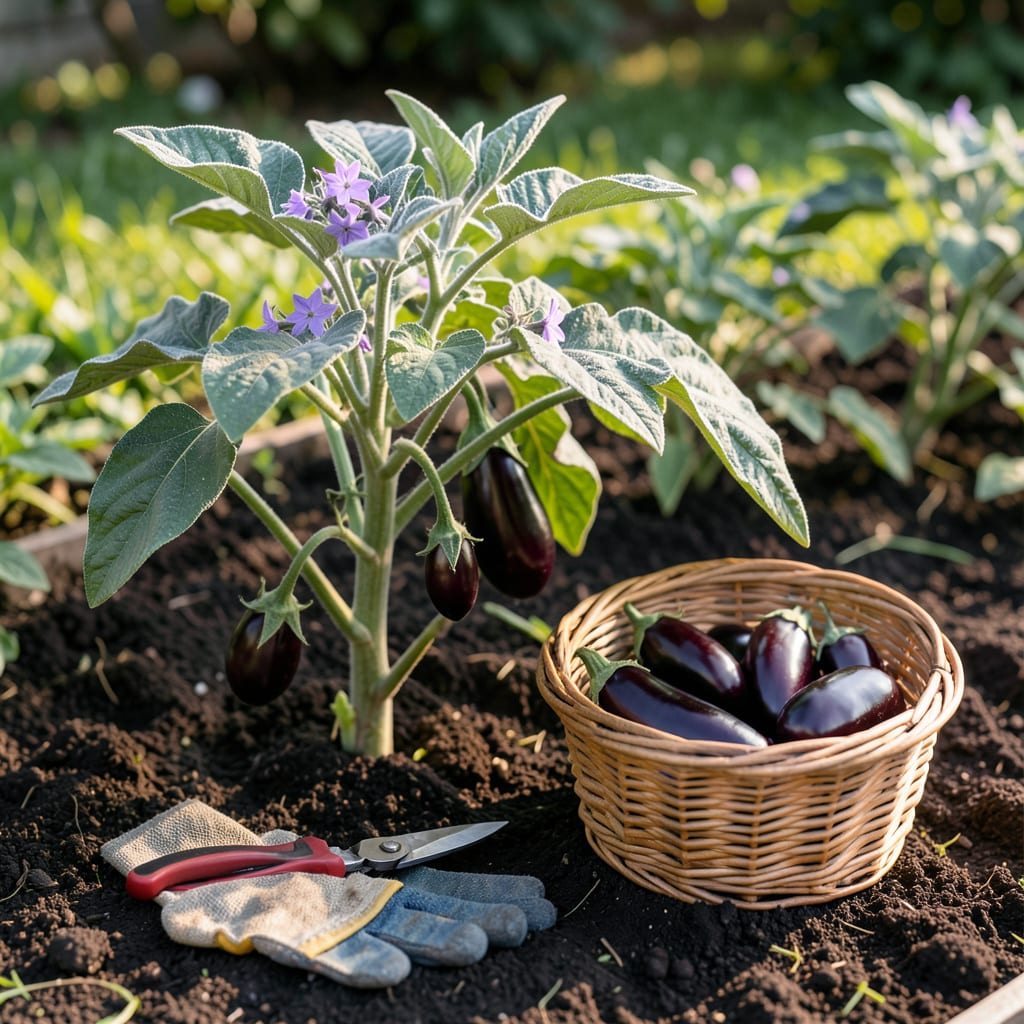
Knowing exactly when to pick 🍆 Eggplant can mean the difference between a bitter, seedy harvest and perfectly tender, flavorful produce.
Timing is everything with this nightshade vegetable. Discover the key signs that tell you your eggplants are ready to come off the vine.


I always check for glossy skin first when determining if my eggplants are ready. A shiny, smooth surface indicates peak ripeness and the best flavor development. Dull skin often means they’re not quite there yet.
Next, I gently press the fruit with my finger. A ripe eggplant should feel firm but slightly springy. If it’s rock hard, it needs more time. If it gives too much, it’s overripe.
| Sign | Indicator |
|---|---|
| Skin | Glossy and smooth |
| Texture | Firm with slight give |
| Size | 6-8 inches long |
| Color | Deep, uniform purple |
Size matters with eggplants. Most varieties reach 6-8 inches long when mature, though this varies by type. I always check the seed packet for variety-specific size guidelines.
Color is another reliable indicator. For standard purple eggplants, I look for a deep, uniform color. White or green varieties should have a creamy, consistent hue without green streaks.
The stem tells a story too. A green stem means the fruit is still actively growing. When it starts to turn brown or woody, it’s time to harvest immediately.
I always use pruning shears or a sharp knife to harvest. This prevents damage to the plant and ensures a clean cut. I leave about 1 inch of stem attached to the fruit.
Timing is crucial – I harvest in the morning when temperatures are cooler. This helps preserve the fruit’s freshness and reduces stress on the plant during the hottest part of the day.
For Japanese eggplants, I look for a slender shape and thinner skin. These varieties are often ready when they’re 8-12 inches long but still firm.
Remember that eggplants continue to grow if left on the plant. I check my plants every 2-3 days during peak harvest season to catch them at the perfect moment.☀️
I’ve learned the hard way that harvesting too early results in bitter, small eggplants with underdeveloped seeds. These won’t have the rich flavor or tender texture we want from our garden.
On the other hand, waiting too long leads to overripe eggplants that become spongy and full of large, tough seeds. The skin often turns dull, and the flesh loses its firmness.
Too Early: Bitter taste, small size, immature seeds
Too Late: Spongy texture, large seeds, dull skin
One mistake I made was ignoring the stem color. When the stem turns brown, the eggplant is past its prime. I now check the stem daily once the fruit reaches near-mature size.
Another common error is harvesting during rain or when the plant is wet. This can spread diseases and make the fruit spoil faster. I always wait for dry conditions.
I also used to pull eggplants by hand, which often damaged the plant. Now I use clean pruning shears to make a precise cut, leaving about 1 inch of stem attached.
To recover from past mistakes, I’ve started keeping a harvest journal. I note the size, color, and date for each variety, which helps me identify the perfect picking window next season.
🌿I always find that morning harvesting gives the best results for my eggplants. The cooler temperatures help preserve the fruit’s firmness and flavor. The plants are also less stressed during this time.
I avoid harvesting in the afternoon heat as the fruit can become soft and the plant may suffer from heat stress. Early morning, right after the dew has dried, is my preferred window.
The weather conditions matter just as much as the time. I never harvest when the plants are wet from rain or dew, as this can spread diseases and reduce storage life.
I always use sharp pruning shears for a clean cut. This prevents tearing the plant and ensures a smooth surface where the fruit was attached, reducing the risk of infection.
For the best results, I check my eggplants daily during peak season. They can go from perfect to overripe surprisingly quickly, especially in warm weather.☀️
Look for dull skin and a rock-hard texture. Underripe eggplants also feel light for their size.
Overripe eggplants develop spongy flesh and large, bitter seeds. The skin also loses its glossy appearance.
Yes! Early morning harvesting preserves firmness and flavor. Avoid afternoon heat when plants are stressed.
No, always wait for dry conditions. Wet harvesting spreads disease and shortens storage life.
