
Beautiful Plants For Your Interior
Beautiful Plants For Your Interior
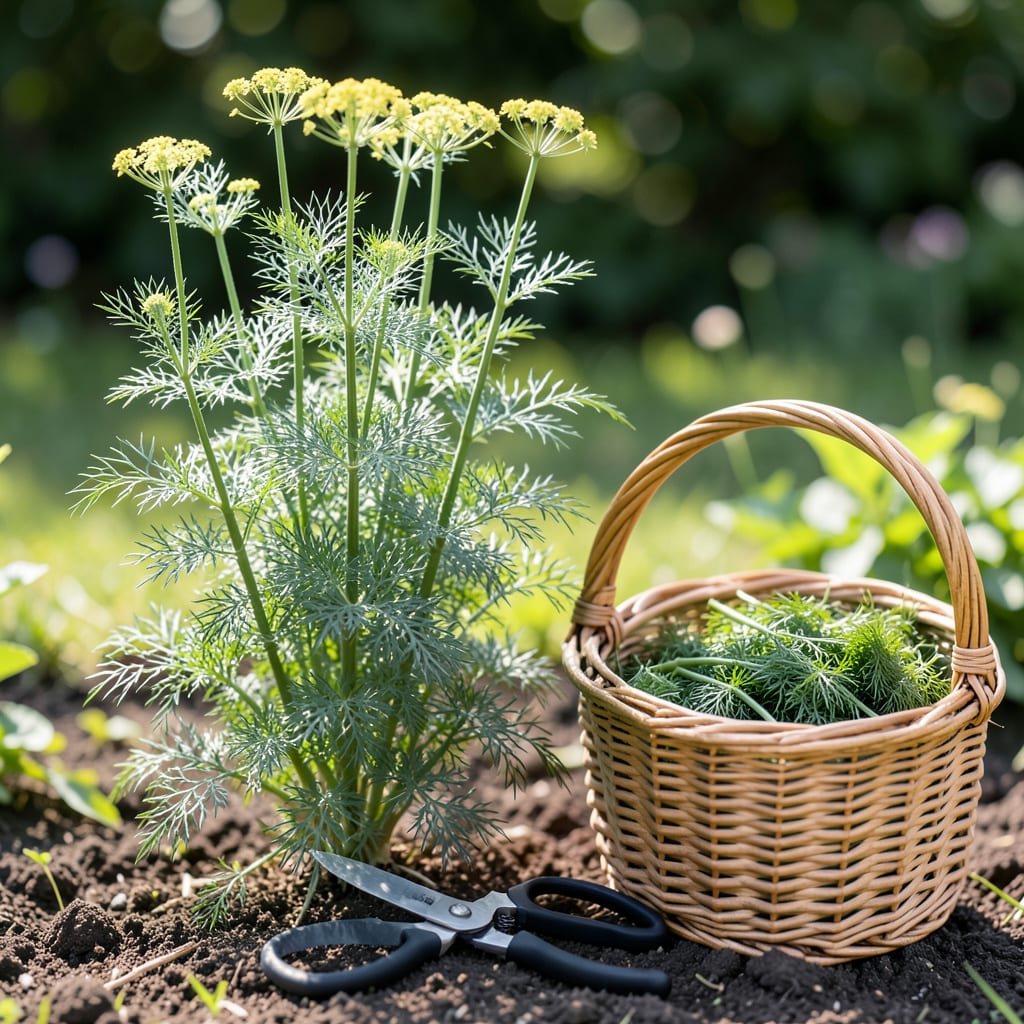
Timing is everything when it comes to picking 🌿 Dill for pickles—harvest too early and you’ll miss out on flavor, too late and the taste becomes bitter.
Discover the perfect window to ensure your homemade pickles burst with that fresh, tangy dill essence. I’ll show you exactly when to harvest for the best results.


Knowing when to pick dill for pickles starts with spotting flower buds. These tiny green clusters appear just before blooming and signal peak flavor. I always check for fully developed leaves with a strong aroma.
The stems should feel sturdy but not woody. At this stage, the dill seeds are green but immature. This timing ensures the best tangy flavor for your pickling needs.
| Sign | Description |
|---|---|
| Flower Buds | Visible but not open |
| Leaves | Fully developed, fragrant |
| Stems | Thick and upright |
| Seeds | Green, not mature |
If you harvest too early, your dill may lack the bold flavor needed for pickles. The plant should be at least 2 feet tall with multiple branches. I wait until the buds form but before flowers open.
Color matters too—healthy dill has bright green leaves and stems. Yellowing or wilting indicates it’s past its prime. The aroma test is simple: rub a leaf between your fingers for a strong scent.
For the best pickling results, I aim for morning harvests after the dew dries. This is when the essential oils are most concentrated. Avoid picking after heavy rain, as wet foliage can dilute flavors.
Timing varies by climate, but most dill reaches this stage 60-80 days after sowing. In warmer zones, this may happen sooner. I track my planting date to estimate the harvest window.
If you see open flowers, you’ve waited too long. The flavor becomes bitter and weak as the plant focuses on seed production. For pickles, the pre-bloom stage is the sweet spot.
I also watch for stem thickness. Thin stems mean the plant isn’t ready. At the right stage, stems are pencil-thick and snap cleanly when bent. This ensures the dill holds up during pickling.
Finally, taste a small leaf to confirm. The flavor should be bright and tangy, not mild or bitter. When in doubt, harvest a little early—it’s better than too late for pickles.
With these cues, you’ll never question when to pick dill again. Happy harvesting! 🌿
I always use sharp pruning shears or clean scissors for harvesting dill. This prevents stem crushing and helps the plant recover faster for future harvests.
Cutting technique matters too—I snip 1/3 of the stem at a time, leaving at least two sets of leaves to encourage regrowth. Morning is ideal because the essential oils are most concentrated.
🌱 Pro Harvesting Tips:
I never harvest more than 30% of the plant at once. This ensures the dill continues producing throughout the growing season. Regular light harvests yield more than one heavy cut.
Stem selection is key—I choose the outermost stems first, allowing the center to keep growing. This method extends the harvest period by several weeks in my experience.
For multiple harvests, I fertilize lightly after each major cut. A balanced organic fertilizer helps the plant rebound quickly. Watering deeply after harvesting also supports new growth.
I always check for pests before cutting. Aphids love dill, so I inspect the undersides of leaves and stems. If I find any, I treat the plant before harvesting.
With these methods, my dill plants stay productive all season, giving me fresh herbs for pickles whenever I need them. ✂️
One of the biggest errors I see is harvesting dill after full bloom. Once those pretty yellow flowers open, the flavor turns bitter and loses the fresh tang that makes pickles special.
Using dull tools is another common mistake. Crushed stems invite disease and slow regrowth. I always keep my pruning shears sharp for clean cuts that heal quickly.
⚠️ Avoid These Picking Pitfalls:
I’ve learned that picking during wet conditions leads to problems. Wet foliage spreads disease and dilutes the essential oils that give dill its punch. I wait for dry mornings for the best results.
Over-harvesting is tempting when plants are lush, but I never take more than 30% at a time. This ensures my dill keeps producing all season long for multiple pickle batches.
Finally, I always inspect for pests before harvesting. Aphids and other bugs can hitch a ride indoors. A quick check of leaf undersides prevents unwanted surprises in my pickling process. ✂️
Dill should be at least 2 feet tall with multiple branches before harvesting. Wait until flower buds form but before they open for peak flavor. Stems should be sturdy and pencil-thick.
Harvesting at the right stage captures maximum essential oils and flavor. Too early, and dill lacks punch; too late, and it turns bitter as the plant focuses on seed production.
No, once yellow flowers open, the flavor becomes bitter and weak. Always harvest during the pre-bloom stage when buds are visible but still closed. This ensures the best tangy taste for pickles.
Morning is ideal, after dew dries but before midday heat. This is when essential oils are most concentrated. Avoid harvesting after rain or when foliage is wet.
