
Beautiful Plants For Your Interior
Beautiful Plants For Your Interior
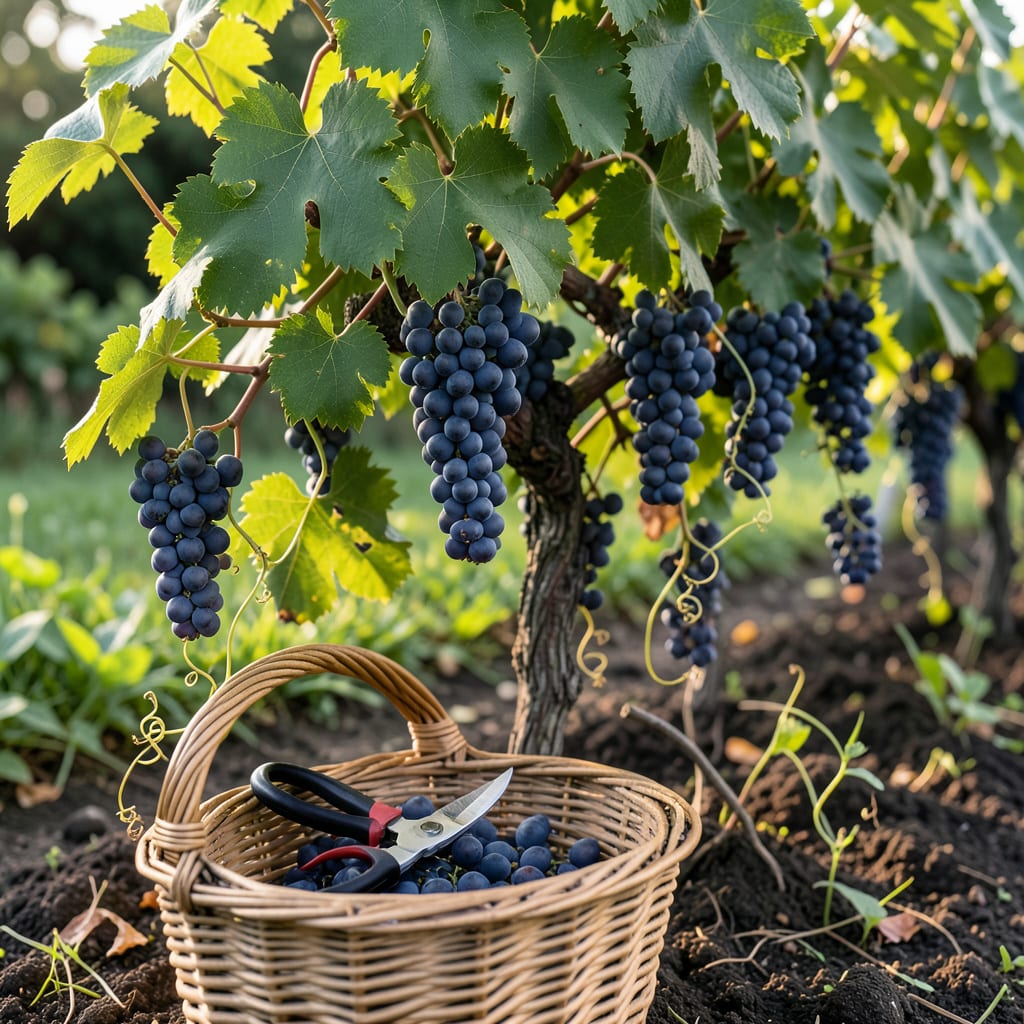
There’s nothing quite like biting into a perfectly ripe Concord Grape 🍇 at the peak of its flavor. Timing your harvest right can transform your grapes from tart to irresistibly sweet.
I’ll show you the simple visual and taste tests to determine the ideal moment to pick. These classic grapes have telltale signs that any grower can spot with a little practice.


The deep purple-black hue is your first clue that Concord grapes are nearing ripeness. Unlike some varieties that stay red or green, these grapes darken dramatically as they mature, making color one of the most reliable indicators for harvest timing.
I always check for full color saturation across the entire cluster. A uniform, rich color means the grapes are developing sugars evenly, while patches of red or green signal they need more time on the vine. ☀️
| Visual Cue | What It Means |
|---|---|
| Deep purple-black | Fully ripe and sweet |
| Red or green patches | Needs more time |
| White powdery bloom | Natural protection, indicates maturity |
| Stem turns brown | Cluster is ready |
| Uniform cluster color | Even ripening achieved |
The stem color is another often-overlooked indicator. When the stems turn from green to brown and woody, it’s a sign the grapes have finished their growth cycle. This change happens in tandem with the berries’ color deepening.
I recommend checking your vines daily as harvest time approaches. The transformation from nearly-ripe to perfectly-ripe can happen surprisingly fast, especially during warm autumn days. A cluster that was 80% purple yesterday might be 100% ready today.
Remember that sun exposure affects color development. Grapes on the sunny side of the vine will often darken first. For the most accurate assessment, check clusters from different parts of the plant. 🌿
The berry uniformity within each cluster matters too. All grapes should be the same deep color. If you see variation, wait a few more days. Nature doesn’t rush perfection, and neither should we with our harvest.
In my experience, the color changes are most dramatic during cool nights and warm days in early autumn. This temperature swing helps the grapes develop their characteristic rich color and complex flavor profile.
While color is the first indicator, I always confirm with a taste test before harvesting. The visual signs get you 90% there, but that final check ensures you’re picking at the absolute peak of ripeness. 🌱
While color signs give you the first clues, nothing beats a taste test to confirm your Concord grapes are truly ready. The balance of sweetness and acidity is what makes these grapes so special, and your palate is the best judge.
I always sample a few grapes from different clusters first thing in the morning. The cool temperatures overnight help concentrate the flavors, giving you the most accurate read on ripeness. ☀️
The sweetness check is my favorite method because it’s so straightforward. Underripe grapes will pucker your mouth with their tartness, while perfectly ripe ones deliver that classic Concord grape flavor we all love. The transformation happens quickly near the end.
Don’t overlook the seed color test. This is a trick I learned from old vineyard hands. As the grapes ripen, the seeds change from white to tan and finally to dark brown. When you see those dark seeds, you know the fruit has reached its peak.
The squeeze test helps determine if the grapes have the right texture. They should give just a little when pressed, but not collapse. If they’re rock hard, they need more time. If they’re too soft, you might have waited a bit too long.
I recommend testing every 2-3 days as your harvest window approaches. The difference between “almost ready” and “perfect” can be just a few days. And remember, grapes don’t continue ripening after picking, so timing is everything. 🌿
Timing your Concord grape harvest perfectly can be tricky, and even experienced growers make mistakes. One common error is picking based on size alone. Bigger doesn’t always mean ripe with these grapes, as they can plump up before developing their full sweet flavor. 🌿
Another pitfall is ignoring the weather impact. A few warm sunny days can speed up ripening dramatically, while cool, cloudy weather might delay it. I always keep an eye on the forecast as harvest time approaches.
Picking by size: Bigger grapes aren’t always ripe
Ignoring weather: Temperature affects ripening speed
Over-softening: Wait too long and grapes turn mushy
Uneven clusters: Harvest when all grapes in cluster are ready
Waiting for over-softening is another mistake I see often. While grapes should yield slightly to pressure, if they’re too soft, they’re past their prime. This affects not just eating quality but also storage life and suitability for jams or juices.
Harvesting uneven clusters can lead to inconsistent flavor. If some grapes in a bunch are still green or red while others are deep purple, wait a few more days. The whole cluster should ripen uniformly for the best results.
Each of these mistakes affects the final product differently. Early picking gives you tart grapes that lack complexity, while late harvesting can result in fermented flavors or split skins. The sweet spot is when all visual and taste tests align perfectly. 🌱
They usually ripen between September and October, depending on your climate. Early varieties may be ready in late August in warmer zones.
Look for a deep purple-black color with a white powdery bloom. The stems should turn brown and woody when fully mature.
Avoid harvesting during or right after rain. Wet grapes can split or develop mold. Wait for dry conditions to ensure quality.
Early harvest results in tart, underripe grapes with less sugar. They won’t ripen further after picking, so flavor suffers.
