
Beautiful Plants For Your Interior
Beautiful Plants For Your Interior
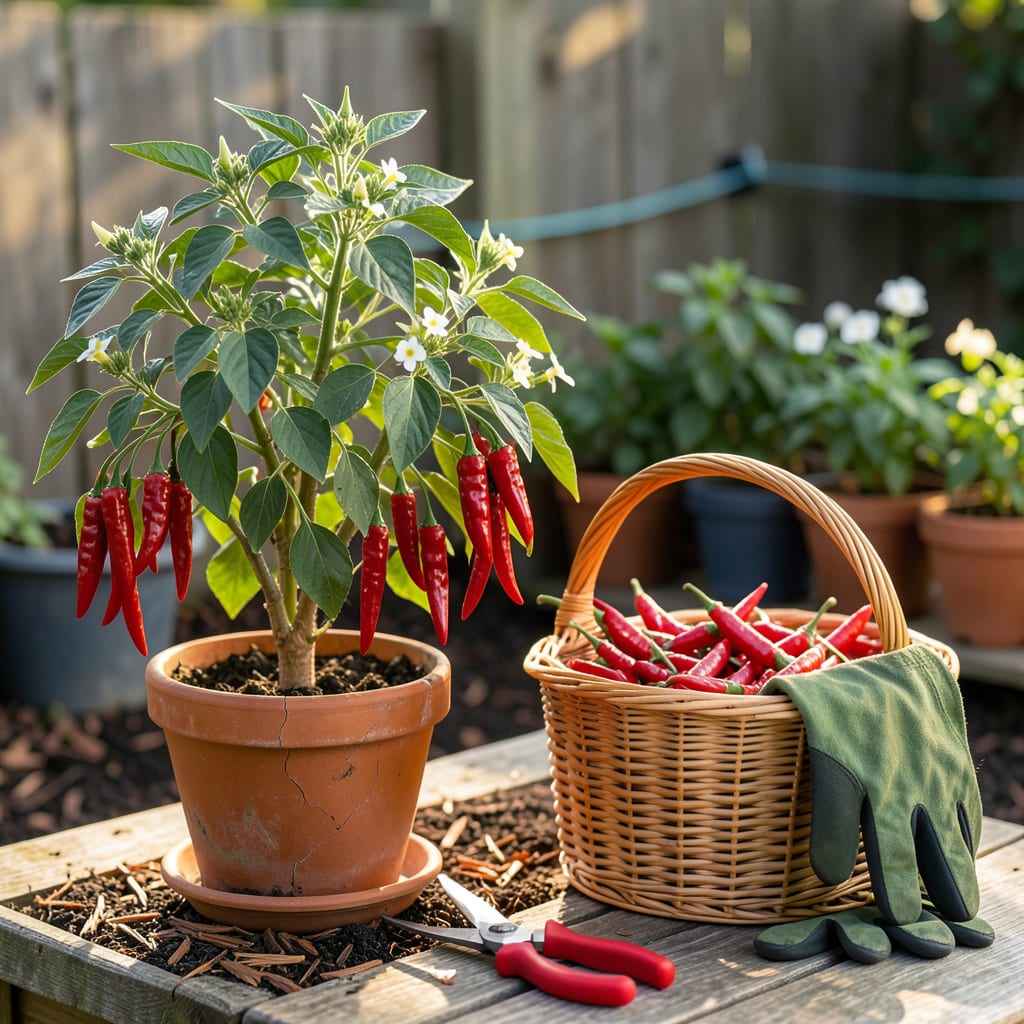
That moment when your 🌶️ Cayenne Peppers finally turn vibrant red—only to realize you might’ve waited too long. Timing isn’t just about color; it’s the secret to locking in that signature heat and bold flavor you’ve been craving all season.
I’ve seen gardeners lose weeks of effort by picking too soon or letting peppers overripen on the vine. Let’s cut through the guesswork so you harvest at the perfect stage—every single time. Here’s what your peppers are actually telling you.


Timing is everything when harvesting cayenne peppers. Picking too early means missing out on full heat and flavor, while waiting too long can lead to mushy, overripe fruits. I’ve learned that these slender red peppers send clear signals when they’re at their peak. Let’s break down the visual and textural cues you should watch for.
The most obvious sign is color transformation. Cayenne peppers start green and gradually turn red as they mature. But color alone isn’t enough—you’ll also want to check for glossy skin and a slight give when gently squeezed. These details make all the difference between a mediocre harvest and a fiery, flavorful one. 🌶️
| Stage | Color | Texture | Harvest Readiness |
|---|---|---|---|
| Unripe | Bright green | Firm, tight skin | Too early |
| Early Ripening | Green with red streaks | Slightly softer | Wait 3-5 days |
| Peak Ripeness | Deep red | Glossy, slight give | Ready to pick! |
| Overripe | Dull red or wrinkled | Soft or mushy | Harvest immediately |
Size matters too. A mature cayenne pepper typically reaches 2-3 inches long and about ½ inch wide. If your peppers are still small and stubby, they need more time. I like to compare them to a standard pencil—when they’re about that length, they’re usually ready for inspection.
Don’t overlook the stem connection. A ripe cayenne will detach easily with a gentle twist or snip. If you’re struggling to pull it off, the pepper isn’t ready. This simple test saves me from accidentally damaging the plant while harvesting. The stem itself should also look dry and woody, not green and flexible.
For those growing in cooler climates, ripening may take longer. I’ve noticed that peppers in my garden can lag behind by 1-2 weeks during unseasonably cool summers. If your plants are healthy but slow to ripen, be patient—sometimes they just need extra warmth. A cloche or row cover can help speed things up.
The scent test is my secret weapon. Ripe cayennes emit a faint, sweet, slightly spicy aroma when you hold them close. If there’s no smell, they’re not ready. This trick is especially useful for first-time growers who might be unsure about visual cues. Trust your nose—it’s often more reliable than your eyes!
If you’re growing multiple plants, you might notice variation in ripening times. This is normal! Factors like sun exposure, soil quality, and even the plant’s position in your garden can create differences. I always harvest peppers individually as they ripen rather than waiting for the entire plant to be ready.
For those planning to dry or preserve their cayennes, you can actually leave them on the plant a bit longer. The extra time intensifies the heat and deepens the flavor. Just be sure to harvest before the first frost, as cold temperatures can damage the fruits. I aim to pick my last batch by early September in my Zone 6 garden.
Remember that harvesting regularly encourages more production. I make it a habit to check my plants every 2-3 days during peak season. The more you pick, the more peppers your plant will produce. It’s a win-win for both you and your cayenne plants! 🌿
Timing is everything when harvesting cayenne peppers. Picking too early means milder heat and underdeveloped flavor, while waiting too long risks overripe, mushy peppers. I always watch for color changes first—most cayennes start green and deepen to a vibrant red when fully ripe.
The texture and size are just as important. A ripe cayenne should feel firm but slightly pliable, measuring 2-3 inches long. If the skin looks glossy and the pepper snaps cleanly from the stem with a gentle twist, it’s ready. Avoid peppers with wrinkled skin or soft spots.
| Stage | Color | Texture | Harvest? |
|---|---|---|---|
| Early | Pale green | Hard, no aroma | ❌ Too soon |
| Mid-Stage | Green with red streaks | Firm, slight give | ⚠️ Optional (milder heat) |
| Peak Ripeness | Bright red | Glossy, aromatic | ✅ Best flavor & heat |
*Days to maturity: 70-90 days from transplanting.
Climate plays a role too. In hotter regions, cayennes may ripen faster—sometimes in as little as 70 days. Cooler climates can extend the timeline to 90+ days. I check my plants daily once they start coloring up, as ripening can happen quickly in summer heat.
For the best heat and flavor, I recommend harvesting when peppers are fully red. But if you prefer milder peppers, pick them earlier when they’re still green with red streaks. Just remember: the longer they stay on the plant, the hotter they’ll get!
Use clean, sharp pruning shears or scissors to cut peppers from the plant, leaving a short stem attached. Avoid pulling them by hand, which can damage the plant. Harvesting regularly also encourages more fruit production, so don’t hesitate to pick peppers as they ripen.
After picking, store cayennes in a cool, dry place for up to a week, or dry them for long-term use. If you’re saving seeds, let a few peppers fully ripen and turn slightly soft on the plant before harvesting. This ensures the seeds inside are mature and viable for next season.
Even experienced gardeners can make costly errors when harvesting cayenne peppers. The biggest mistake I see? Picking too early—those green peppers lack the full heat and sweetness that develops in the final ripening stage. Another common blunder is using dull tools, which crush stems instead of making clean cuts.
Timing isn’t just about color—it’s about texture and aroma too. Many overlook the glossy skin and subtle fruity scent that signal peak ripeness. And don’t forget: harvesting during wet conditions invites mold. Always pick in dry weather for better storage life.
Here’s a pro tip: never harvest all your peppers at once. Stagger picking every 3-5 days to encourage continuous production. I’ve found that plants stressed by over-harvesting take 2 weeks longer to rebound. Also, avoid touching the peppers with bare hands if you’re sensitive—capsaicin oils linger!
Post-harvest mistakes matter too. Many gardeners pile peppers in sealed containers, trapping moisture that leads to rot. Instead, spread them in a single layer in a ventilated space. For drying, string them with needle and thread—just ensure good airflow to prevent mold.
Finally, don’t assume red means ready in cool climates. Cayennes in northern zones (below USDA Zone 7) often stay greenish-red but are still ripe. When in doubt, check the stem attachment—if it’s woody and snaps cleanly, you’re good to go. Happy harvesting! 🌱
Most cayenne peppers transition from green to red in 70-90 days after transplanting. The exact timing depends on your climate—hotter regions see faster ripening, while cooler areas may need the full 90 days.
Yes, but they’ll be milder in both heat and flavor. Green cayennes are edible but lack the full capsaicin development. For maximum spice, wait until they’re at least 80% red with glossy skin.
Always use clean pruning shears or sharp scissors. Cut the stem about ¼ inch above the pepper to avoid damaging the plant. Never tug or twist—this can break branches and reduce future yields.
Overripe cayennes become dull red, wrinkled, or soft to the touch. They may also develop a fermented smell. Harvest immediately if you notice these signs—they’ll spoil quickly once picked.
Capsaicin oils can irritate skin and eyes. Use nitrile gloves and avoid touching your face. Wash hands thoroughly with soap afterward, even if you wore protection.
