
Beautiful Plants For Your Interior
Beautiful Plants For Your Interior
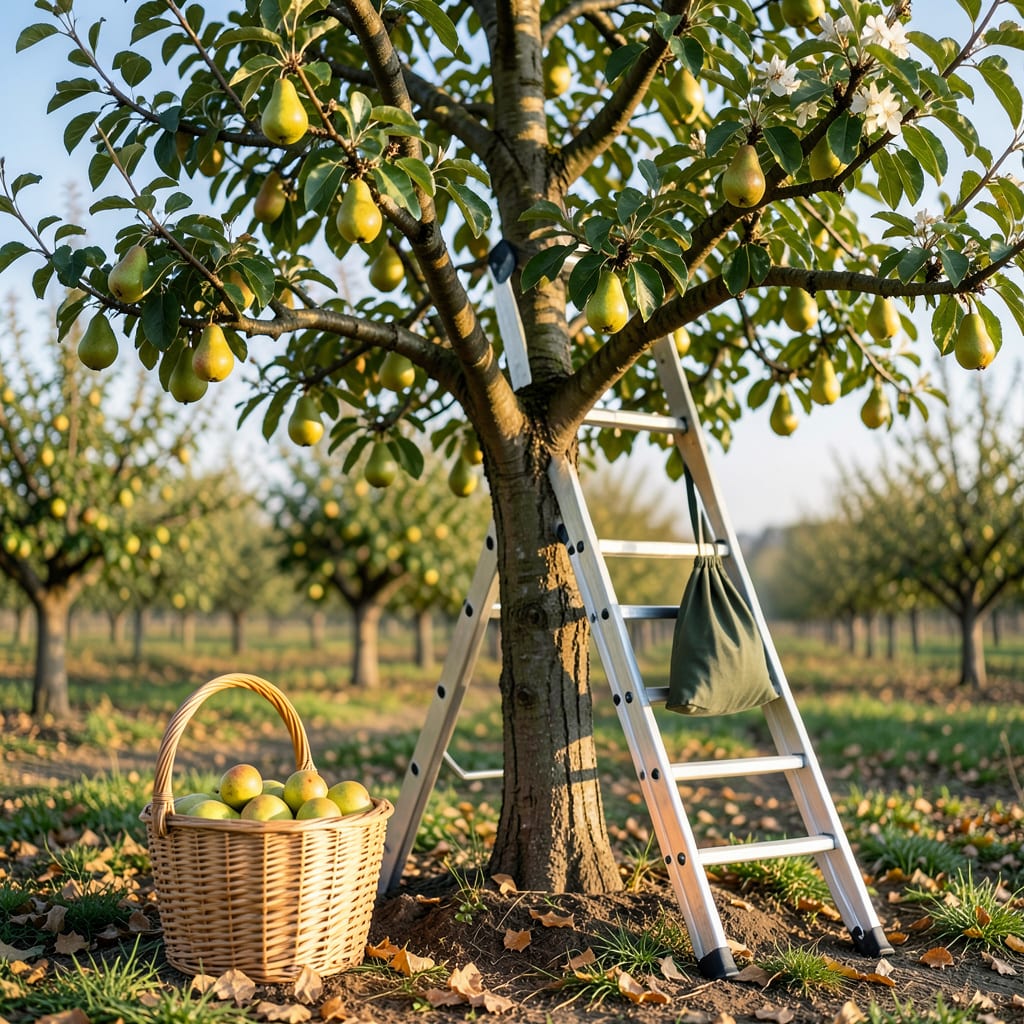
There’s nothing worse than biting into a Bartlett pear that’s either rock-hard or mushy—when the difference comes down to perfect timing. That golden moment between underripe and overripe is fleeting, but I’ll help you nail it every time.
With Bartlett pears, looks can be deceiving. The shift from green to golden yellow is just the start—you’ll need to trust your senses. I’ll show you the subtle signs (and a foolproof thumb test) to guarantee you pick at peak sweetness, not a day too soon or late.


Bartlett pears won’t ripen properly if picked too early, and they’ll turn to mush if left too long. The secret? Watch for a color shift from green to golden yellow—but don’t stop there. Texture and fragrance are just as critical for that perfect, buttery sweetness.
I’ve seen gardeners make the mistake of waiting for full yellow—by then, it’s often too late. Instead, look for a slight blush and a gentle give near the stem. The fruit should also fill your hand with a subtle, sweet aroma when you lift it to your nose.
Climate plays a huge role in timing. In cooler zones (USDA 5–6), Bartletts often ripen in late August, while warmer regions (Zones 7–9) may see harvests as early as mid-July. Always check your local first frost date—pears won’t sweeten after that.
Here’s a trick: Pick a test pear from different sides of the tree. Sun-exposed fruit ripens faster than shaded ones. If the test pear softens indoors within 2–3 days, the rest are ready. If it stays hard, wait another 3–5 days before checking again.
Don’t rely on the “pull test” alone—some pears cling stubbornly even when ripe. Instead, tilt the fruit horizontally. If it snaps off with minimal resistance, it’s prime for picking. If it dangles but doesn’t detach, give it more time.
Watch for bird pecks or wasp activity—they’re nature’s ripeness detectors! Increased wildlife interest means your pears are nearing perfection. Just be sure to harvest before they do, or you’ll lose fruit to hungry critters.
If you’re growing dwarf Bartlett trees, expect fruit to mature 7–10 days earlier than standard trees. Their compact size means less energy for growth, so they focus on ripening faster. Adjust your timeline accordingly.
Finally, trust your instincts. Bartletts ripen from the inside out, so even if the skin looks ready, the flesh might still be firm. If in doubt, pick a few and let them sit at room temperature. They’ll reveal their true ripeness within 48 hours.
Remember: A perfectly ripe Bartlett pear should feel like a firm avocado—yielding but not squishy. Once you’ve mastered these signs, you’ll never end up with a basket of disappointing, mealy fruit again. 🌳
Even when Bartlett pears look ready, you’ll want to confirm their ripeness with these foolproof tests. I’ve used these methods for years to avoid the heartbreak of picking a basket of pears that never soften—or worse, turn to mush overnight.
The thumb test is my go-to first check. Gently press near the stem with your thumb. If the flesh yields slightly (like a ripe avocado), it’s ready. No give? Leave it for 2–3 more days. Too soft? You’ve waited too long.
The tilt test is perfect for stubborn pears that refuse to detach. Hold the fruit horizontally—if it snaps off cleanly with a slight twist, it’s ripe. If it bends but stays attached, give it another 3–5 days in warm weather.
For the taste test, pick one pear from a sun-exposed branch (they ripen first) and let it sit at room temperature. If it softens and smells sweet within 48 hours, the rest are ready. If it stays hard, wait and retest in 3 days.
Here’s a pro tip: Bartlett pears ripen from the inside out, so don’t judge solely by skin color. I once left pears on the tree until they were fully yellow—only to find the centers were overripe and mealy. Now I harvest when they’re 70% yellow and finish ripening indoors.
If you’re dealing with a late-season harvest (after early September), check pears daily. Cool nights speed up ripening, and a sudden frost can ruin your crop. In hot climates, harvest in the early morning to avoid soft, sun-scalded fruit.
Remember, Bartlett pears won’t ripen properly if picked too early. If you’re unsure, err on the side of leaving them a little longer. A pear that’s slightly underripe can still sweetten indoors, but an overripe one is lost forever. Trust the tests, and you’ll get it right every time. 🌿
Timing your Bartlett pear harvest wrong can turn your hard work into a grainy disappointment or a mushy mess. I’ve learned the hard way that even a few days can make or break your harvest—so let’s talk about how to salvage the situation if you’ve mistimed it.
If you pick Bartlett pears too early, they’ll stay hard as rocks no matter how long you leave them on the counter. The trick? Place them in a paper bag with a banana or apple. The ethylene gas will coax them to ripen—but only if they were close to ready when picked.
Pears picked too late turn soft almost overnight. Don’t toss them! Overripe Bartletts are perfect for pear butter, smoothies, or baked goods. Just peel, core, and freeze the flesh in bags for later use—it’ll keep for up to 6 months.
In hot climates, Bartletts ripen faster than expected. I once lost half my crop to wasps because I waited too long. Now I start checking daily when temps hit 85°F+. Cool weather? You’ve got a 5–7 day buffer once color change begins.
Young trees (under 5 years old) often produce fruit that ripens unevenly. Don’t panic if some pears are ready while others lag. Harvest the ripe ones first and give the rest 3 more days. Older trees? Their fruit tends to ripen all at once—be ready to pick everything in a 48-hour window.
Here’s my golden rule: When in doubt, pick a test pear and let it ripen indoors. If it softens and smells sweet within 2 days, harvest the rest. If not, wait and retest. It’s better to have a few underripe pears than a tree full of wasted, overripe fruit. 🌱
Bartlett pears typically ripen indoors within 2–5 days after picking. Place them at room temperature in a paper bag to speed up the process. Check daily for softness near the stem—they’re ready when they yield slightly to gentle pressure.
Yes, but they must be mature green (full-sized and firm). If picked too early, they’ll stay hard and never ripen properly. Test one first—if it softens indoors within 3–4 days, the rest are ready to harvest.
Sun exposure and branch location affect ripening. Pears on sunny, outer branches mature faster than shaded ones. Check different areas of the tree and harvest in stages if needed. Hot weather also speeds up ripening dramatically.
Store unripe pears at room temperature until they soften. Once ripe, refrigerate in a perforated plastic bag for up to 5–7 days. For longer storage, freeze peeled, cored slices in airtight containers for 6–8 months.
No, cold temperatures halt the ripening process. Always let pears ripen fully at room temperature first. Once soft and fragrant, refrigerate to extend freshness. Never refrigerate unripe pears—they’ll stay hard and lose flavor potential.
