
Beautiful Plants For Your Interior
Beautiful Plants For Your Interior
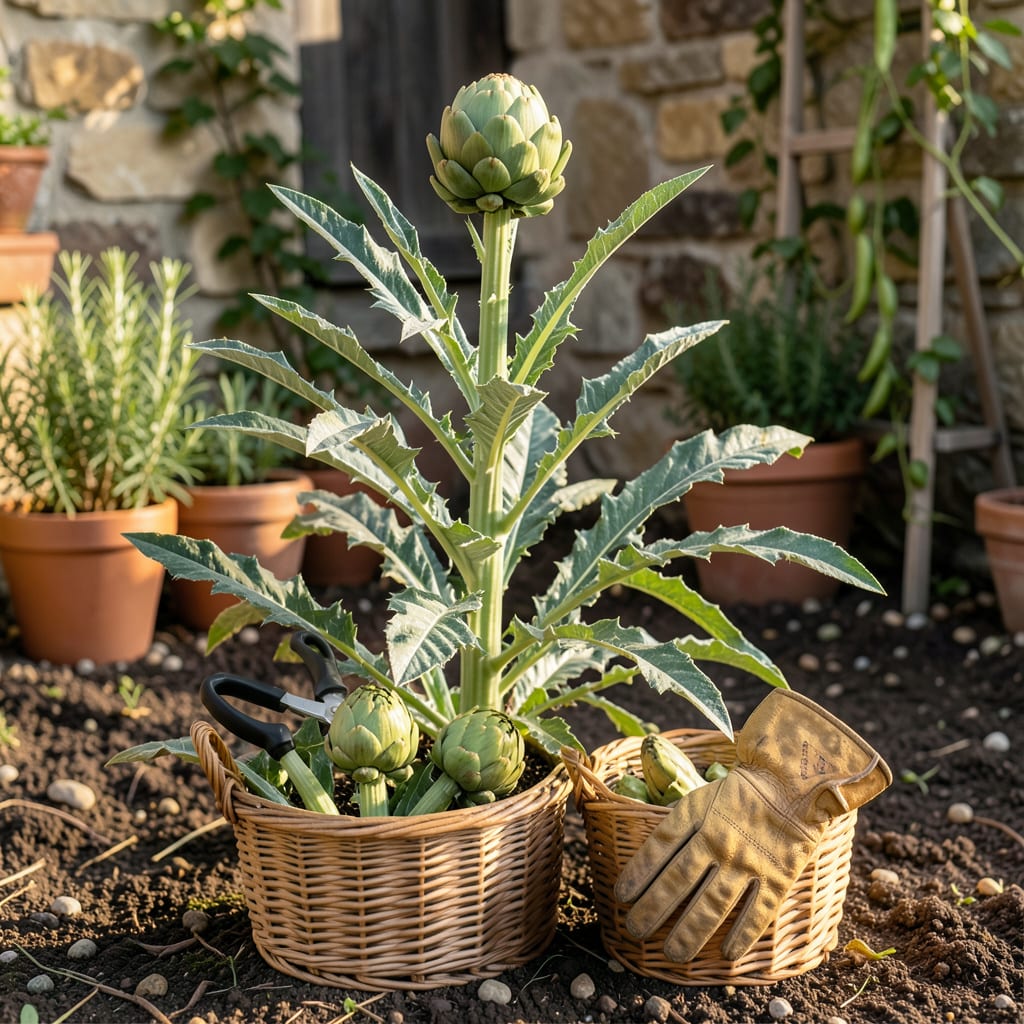
There’s nothing quite like the satisfaction of plucking a perfect artichoke from your garden—only to realize it’s either too tough or not quite ready. That 🥦 moment of truth separates the tender, flavorful buds from the disappointing, fibrous ones.
Timing your harvest isn’t just about patience—it’s about knowing exactly what to look for. I’ll walk you through the subtle signs that signal your artichokes are at their peak, so you never second-guess that crucial cut again. Let’s make every harvest your best one yet.


Artichokes don’t come with a “pick me now” sign, but they do give subtle clues when they’re at their prime. The difference between a perfectly tender bud and a tough, inedible one often comes down to just a few days. I’ve learned the hard way that waiting for “just a little longer” can ruin weeks of careful growing.
Your artichoke’s bud tightness is the first telltale sign. A ready-to-pick artichoke should feel firm with scales that are tightly packed. If you notice the scales starting to separate or the bud beginning to open like a flower, you’ve waited too long. The ideal window is when the bud is still closed but has reached its full size.
The stem tells a story too. A mature artichoke will have a thick, sturdy stem that’s at least 1-2 inches in diameter where it meets the bud. If the stem feels thin or bendy, your artichoke needs more time. I always give the stem a gentle tug – if it resists slightly, that’s a good sign of readiness.
Don’t ignore the color changes either. As artichokes mature, their color deepens from pale green to a rich, vibrant green. Some varieties develop a slight purple tint at the tips of the bracts when perfectly ripe. If you see brown edges or dry, papery scales, you’ve missed your window.
Here’s a trick I swear by: the squeeze test. Gently press the bud between your fingers. It should feel firm but yield slightly, like a ripe avocado. If it’s rock hard, wait another day or two. If it feels soft or spongy, it’s already past its prime and developing that unpleasant woody texture.
Watch for secondary buds developing on the stem below your main artichoke. Their appearance often signals that the primary bud is nearing maturity. These smaller buds will mature about 1-2 weeks after the main head, giving you a second harvest opportunity if you time it right.
The leaves tell tales too. While focusing on the bud, glance at the surrounding leaves. They should be vibrant and healthy-looking. If the leaves appear wilted or yellowing, that could indicate stress that might affect your harvest quality. Healthy plants produce the best artichokes.
Remember that morning harvests yield the best results. Artichokes are crispest when picked early in the day before the heat sets in. I keep a sharp knife or pruners in my garden basket specifically for artichoke harvests – you want a clean cut that leaves about 1-2 inches of stem attached to the bud.
If you’re growing multiple artichoke plants, you’ll notice they don’t all mature at once. Stagger your harvesting over several days, checking each plant individually. This extends your harvest season and ensures you’re always picking at peak ripeness rather than all at once when only some are ready.
After harvesting, I immediately trim the stems and place the artichokes in cold water to maintain freshness. They’ll keep in the fridge for about a week, but honestly, nothing beats the flavor of an artichoke cooked within hours of picking. The difference in tenderness and sweetness is remarkable when you nail that perfect harvest moment. ✂️
Artichokes don’t follow a one-size-fits-all harvest schedule—they’re sensitive to your local climate. In cooler zones (USDA 6-7), you’ll typically harvest from late summer to early fall, while warmer regions (zones 8-10) may see buds ready as early as spring. The key is watching your plants, not just the calendar.
First-year plants often produce smaller harvests later in the season, while established artichokes (2+ years old) may yield earlier. I’ve found that heat waves can rush maturity, while unexpected late frosts might delay things. That’s why I always recommend tracking your local last frost date as a starting point.
| Climate Zone | Primary Harvest Window | Secondary Harvest (If Applicable) |
|---|---|---|
| USDA 6-7 | August – September | None (single harvest) |
| USDA 8-9 | May – June (spring crop) | October – November (fall crop) |
| USDA 10+ | March – April (primary) | Year-round (mild winters) |
Note: Coastal areas may harvest 2-3 weeks earlier due to moderate temperatures.
If you’re in a mild winter region, your artichokes might produce a second flush of smaller buds in fall. I always mark my calendar 120-150 days after planting as my “watch window”—that’s when buds typically form. But remember, soil temperature matters more than air temp for root development.
For those in hot inland areas, watch for premature bolting (flower stalks shooting up). This happens when temps exceed 85°F consistently. If you see this, harvest immediately—even if buds seem small—as they’ll turn fibrous fast. Coastal gardeners have more leeway thanks to cool ocean breezes.
Here’s my pro tip: Start checking buds daily once they reach golf ball size. The window between “perfect” and “overripe” can be as short as 3-5 days in warm weather. I keep a garden journal to track when each plant’s first bud appears—this helps predict future harvests.
Don’t forget that container-grown artichokes often mature faster due to warmer soil temps. If you’re growing in pots, start your harvest checks 2 weeks earlier than the guidelines above. And if frost threatens, harvest all buds—even small ones—as 28°F will ruin them overnight.☀️
Timing your artichoke harvest isn’t just about getting the best flavor—it’s about avoiding disappointing textures that can ruin your harvest. I’ve seen gardeners make both mistakes: picking too soon and waiting too long. Either way, you end up with artichokes that don’t live up to their potential.
When you harvest too early, you’re dealing with underdeveloped buds that are disappointingly small. These premature artichokes often have a bitter taste and lack the meaty texture we love. The bracts (those leaf-like scales) will be thin and tough rather than tender and succulent. I remember my first season when I got overzealous and picked buds at 1-inch diameter—they were practically inedible.
💡 Salvage tip: Steam longer to soften tough bracts
💡 Salvage tip: Remove outer bracts, use heart only
Ideal window: 2-3 inches diameter, tight bud, deep green color
Waiting too long to harvest creates the opposite problem—overmature artichokes that have started to open. Once those tight scales begin separating, the bud inside develops a woody choke that’s unpleasant to eat. I once lost an entire harvest by waiting just 3 extra days during a heatwave. The buds went from perfect to inedible almost overnight.
The visual changes are unmistakable when you’ve waited too long. You’ll see the tips of the bracts start to curl outward and develop a purplish hue. The base of the bud may begin to loosen from the stem. At this point, the artichoke is focusing its energy on becoming a flower rather than remaining a tasty vegetable. The heart inside becomes fibrous and the flavor turns bland.
Here’s what I do when I’ve mistimed my harvest: For early-picked artichokes, I find that longer cooking times can help soften the tough bracts. Try steaming for 45-60 minutes instead of the usual 30. With overmature artichokes, your best bet is to carefully peel away the outer bracts and use just the heart—though it will be smaller and may have some fibrous bits to trim away.
Both scenarios teach valuable lessons for next season. If you consistently pick too early, extend your watch period by 2-3 days. If you’re often too late, start checking buds when they reach 1.5 inches instead of waiting for full size. I’ve found that keeping a harvest log with dates and bud measurements helps refine my timing each year. ✂️
Once buds reach about 1.5 inches in diameter, start checking them daily. The perfect harvest window can be as short as 3-5 days, especially in warm weather. Morning checks are ideal when buds are most firm.
Once you see purple fuzz or open petals, the artichoke is past its prime. The heart becomes woody and inedible. If you catch it just beginning to open, you might salvage the very center, but flavor and texture will be compromised.
Bitterness usually means they were picked too early before sugars developed. Underripe buds also have tougher bracts. Try harvesting when buds reach 2-3 inches and feel slightly soft when squeezed. Longer cooking can help mellow the flavor.
Potted artichokes often mature 1-2 weeks faster than in-ground plants due to warmer soil. Start checking buds when they’re golf-ball sized and monitor soil moisture closely—containers dry out quicker. Adjust your schedule accordingly.
Trim stems and store unwashed in a perforated plastic bag in the fridge. They’ll keep for 5-7 days, but flavor peaks within 48 hours. For longer storage, blanch and freeze the hearts.
