
Beautiful Plants For Your Interior
Beautiful Plants For Your Interior
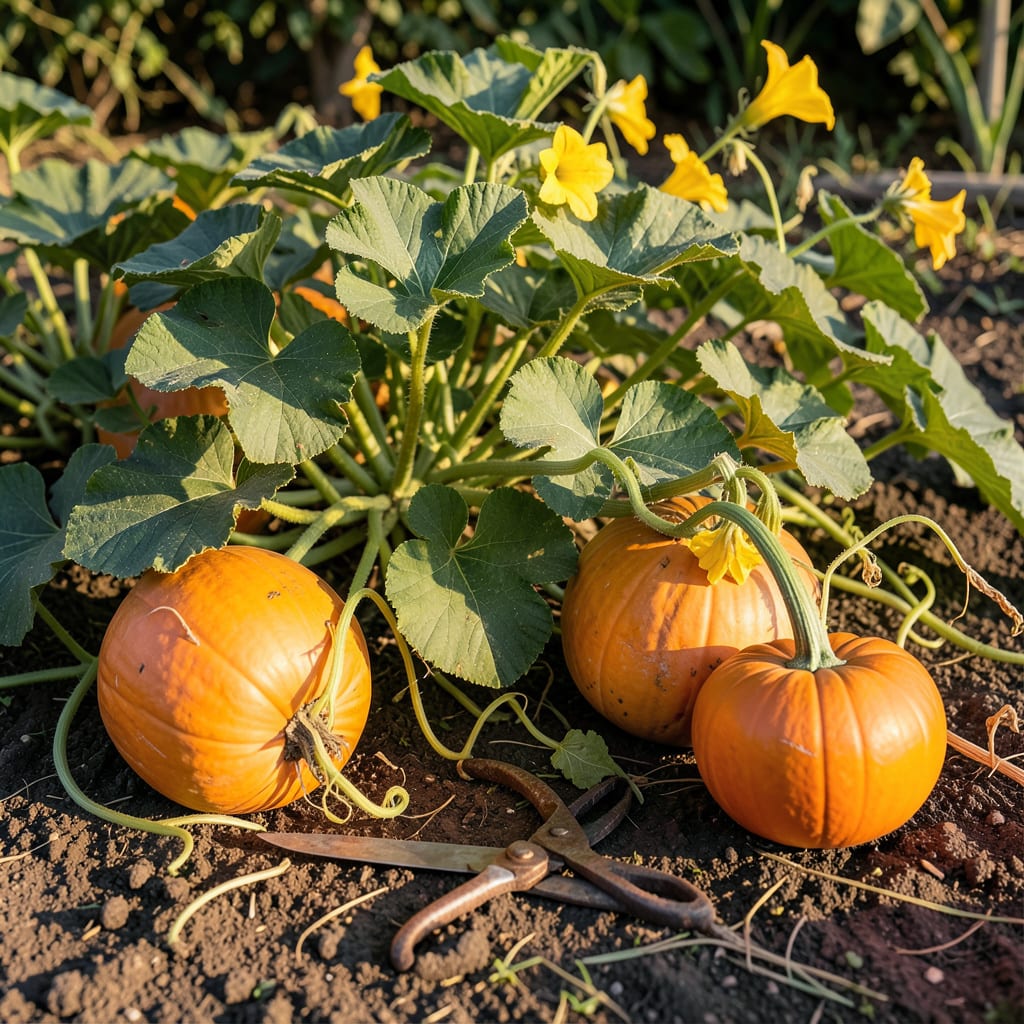
Timing your pumpkin harvest perfectly can make or break your 🎃 crop. Picking too soon means bland flavor, while waiting too long risks rot before you even get it inside.
Discover the subtle signs that tell you your pumpkin is at peak ripeness, ready for storage or that perfect fall display. I’ll show you what to look for before making the cut.


I always watch for visual changes in my pumpkins as harvest time nears. The first sign is a deep, solid color—for most varieties, that’s a rich orange. But some heirloom types turn white, green, or blue, so know your variety’s mature hue.
Another key indicator is the rind hardness. When it resists pressure from my fingernail, it’s ready. This tactile test ensures the pumpkin will store well without softening too quickly.
| Sign | What to Look For |
|---|---|
| Color | Deep, solid, and uniform |
| Rind Hardness | Cannot be punctured by thumbnail |
| Stem Condition | Dry, woody, and hardened |
| Vine Die-Back | Leaves turn yellow and wither |
The stem condition is another giveaway. A dry, woody stem means the pumpkin has finished growing. If it’s still green and flexible, leave it on the vine a bit longer.
I also check the vine itself. When the leaves start yellowing and dying back, the plant is redirecting energy away from the fruit, signaling it’s time to harvest.
For carving pumpkins, I aim for full maturity but not overripeness. An overripe pumpkin may have a softer rind, which makes carving more difficult and reduces its shelf life.
In cooler climates, I harvest before the first frost. Even a light frost can damage the rind, leading to early spoilage. In warmer zones, I can wait until the vine completely dies back.
Size matters too. Most pumpkins reach their mature size about 75-120 days after planting. If it’s stopped growing and meets the other signs, it’s ready to pick.
I always use pruning shears to cut the stem, leaving 2-3 inches attached. This helps prevent rot and makes the pumpkin easier to handle without damaging the vine.
Finally, I give the pumpkin a gentle tap. A ripe one will sound hollow, while an unripe one may sound dull. This quick test confirms what my eyes and fingers already tell me.
By combining these visual, tactile, and auditory checks, I ensure every pumpkin I pick is at its peak for storage or display. ☀️
I always use the thumbnail test first—press your nail into the pumpkin’s rind. If it resists puncture, your pumpkin is likely ready for harvest and will store well through winter.
Next, inspect the stem. A dry, woody stem means the pumpkin has stopped drawing nutrients from the vine. If it’s still green and flexible, wait a few more days before picking.
Don’t forget the sound check. Tap the pumpkin lightly—if it produces a hollow thud, it’s ripe. A dull sound means it needs more time on the vine.
Watch the vine leaves too. When they turn yellow and die back, the pumpkin is usually ready. This is nature’s way of telling you the fruit has matured fully.
Avoid harvesting after rain or heavy dew. Wet conditions can lead to rot or mold during storage. Always pick on a dry, sunny day for the best results.
If you’re unsure, leave it a little longer. Pumpkins won’t ripen further once picked, so patience pays off for the sweetest, longest-lasting harvest.
🎃Picking a pumpkin at the wrong time can ruin months of hard work. I’ve learned that an underripe pumpkin lacks the deep color and sweet flavor we all want. Its rind stays soft, making it prone to bruising and rot.
An overripe pumpkin might split open on the vine or develop a mushy texture. This happens when the rind softens after peak maturity, especially if left in wet conditions or after a hard frost.
If you accidentally harvest too early, you can ripen it indoors. Place it in a warm, sunny spot for a few days. It won’t reach full sweetness but may develop better color and firmer rind.
For overripe pumpkins, use them quickly. They’re best for immediate decorating or composting if the rind has already softened. Never store damaged or split pumpkins, as they’ll rot within days.
In my garden, I mark the planting date on my calendar. Most varieties need 90-120 days to mature. When the days start adding up, I begin my daily ripeness checks to catch the perfect moment. ✂️
An overripe pumpkin may split open or develop a mushy texture when left too long. The rind softens after peak maturity, especially in wet conditions or after frost.
No, wait for the deep, uniform color specific to your variety. Pale or uneven color means it needs more time to develop full flavor and storage potential.
A pumpkin with a hard rind and dry stem will store best. Perform the thumbnail test—if it resists puncture, it’s ready for long-term storage.
Always harvest before the first frost. Even a light frost can damage the rind, leading to early spoilage. In warmer climates, wait until the vine dies back completely.
