
Beautiful Plants For Your Interior
Beautiful Plants For Your Interior
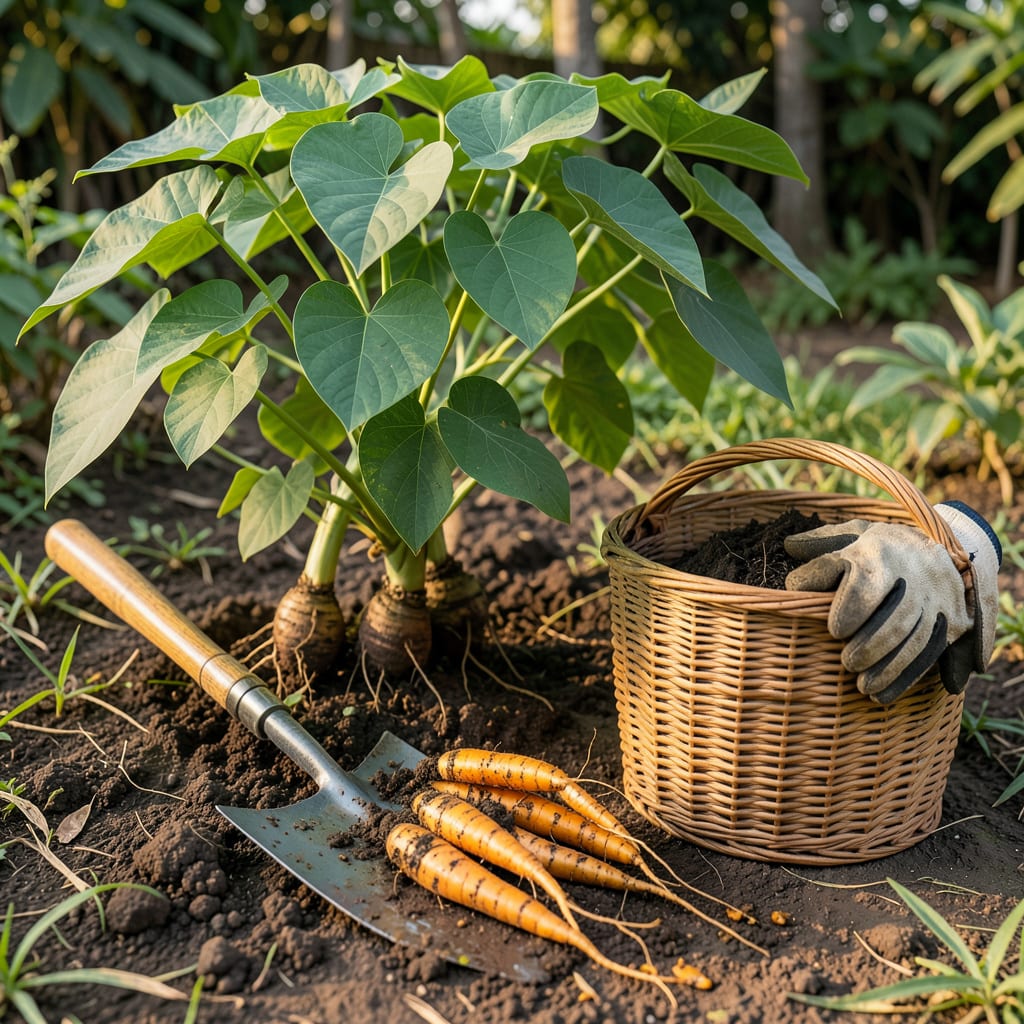
I remember the first time I grew 🌿 Turmeric – watching those vibrant leaves turn yellow was my biggest clue it was ready. The timing can make or break your harvest.
After 8-10 months of care, your rhizomes will give clear signals. I’ll show you exactly what to look for and how to preserve your bounty.


I’ve learned that turmeric plants give clear signals when their rhizomes are mature. The most obvious sign is yellowing leaves, especially the lower ones.
Another indicator is drying foliage and brittle stems. These changes typically occur after 8-10 months of growth, depending on your climate.
| Sign | Description |
|---|---|
| Yellowing leaves | Lower leaves turn bright yellow first |
| Drying foliage | Leaves begin to brown and crisp |
| Brittle stems | Stems become dry and easy to snap |
| Plump rhizomes | Rhizomes feel firm and swollen under soil |
In warmer climates like USDA zones 8-11, turmeric may mature faster. Cooler areas might need the full 10 months for rhizomes to fully develop.
I always check for rhizome swelling near the soil surface. Gently brush away soil to inspect. If they’re plump and firm, it’s time to harvest.
Don’t wait for all leaves to die. Once 70% show yellowing, your turmeric is likely ready. Harvesting too late can lead to split rhizomes or rot.
Early harvesting gives smaller yields but more tender rhizomes. For maximum size, wait until leaves are mostly dry but stems still hold some green.
Climate plays a role too. In hot summers, turmeric may mature in 7-8 months. In milder areas, expect the full 9-10 month cycle.
I’ve found that morning harvesting works best. The soil is softer, making it easier to dig without damaging the rhizomes.
Remember, turmeric is a tropical plant. If frost threatens, harvest immediately—even if leaves aren’t fully yellow. Cold can ruin your crop quickly.
With these signs in mind, you’ll know exactly when to pull up your turmeric for the best possible harvest 🌿
I always use a garden fork to gently lift turmeric from the soil. This prevents rhizome damage that can occur with shovels or trowels.
Start by loosening the soil in a circle around the plant. Turmeric roots spread 12-18 inches wide, so give them space.
The best time to harvest is in the morning when soil is moist. This makes digging easier and reduces root breakage.
After lifting, I inspect each rhizome for damage. Discard any with soft spots or mold to prevent spoilage.
For post-harvest care, cure rhizomes in a warm, dry place for 1-2 weeks. This enhances flavor and extends storage life significantly.
Store cured turmeric in a cool, dark place. Properly handled, it can last 6-8 months without losing potency. I’ve found mesh bags work best for airflow.
With these methods, you’ll maintain the highest quality from garden to storage 🌿
I’ve seen many gardeners rush their turmeric harvest and end up with small, underdeveloped rhizomes. Patience is key—wait for the leaves to show clear signs of maturity.
Another common error is using sharp tools that can slice through rhizomes. Always use a garden fork to lift the entire plant gently.
⚠️ Warning: Harvesting too early yields small rhizomes. Waiting too long risks rot or splitting. Always check for plump, firm roots before digging.
Improper post-harvest handling can ruin your crop. Never leave turmeric in direct sunlight to dry—this can cause bitterness and uneven curing.
Storing turmeric in airtight containers too soon traps moisture, leading to mold. I always cure rhizomes in a well-ventilated area first.
Forgetting to label your harvest can cause confusion later. Note the harvest date and variety to track storage life and quality.
By avoiding these mistakes, you’ll enjoy a flavorful, long-lasting harvest 🌿
Turmeric typically needs 8-10 months to reach full maturity. In warmer climates like USDA zones 8-11, it may mature slightly faster, while cooler areas often require the full 10 months.
Harvesting too soon results in small, underdeveloped rhizomes with less flavor. Wait until at least 70% of the leaves turn yellow for the best yield and quality.
Leaving it too long risks root rot or splitting. Once leaves dry and stems become brittle, harvest within 1-2 weeks to avoid losing your crop.
Yes! Morning soil is moist and soft, making digging easier and reducing the risk of damaging the rhizomes. Always use a garden fork for gentle lifting.
