
Beautiful Plants For Your Interior
Beautiful Plants For Your Interior
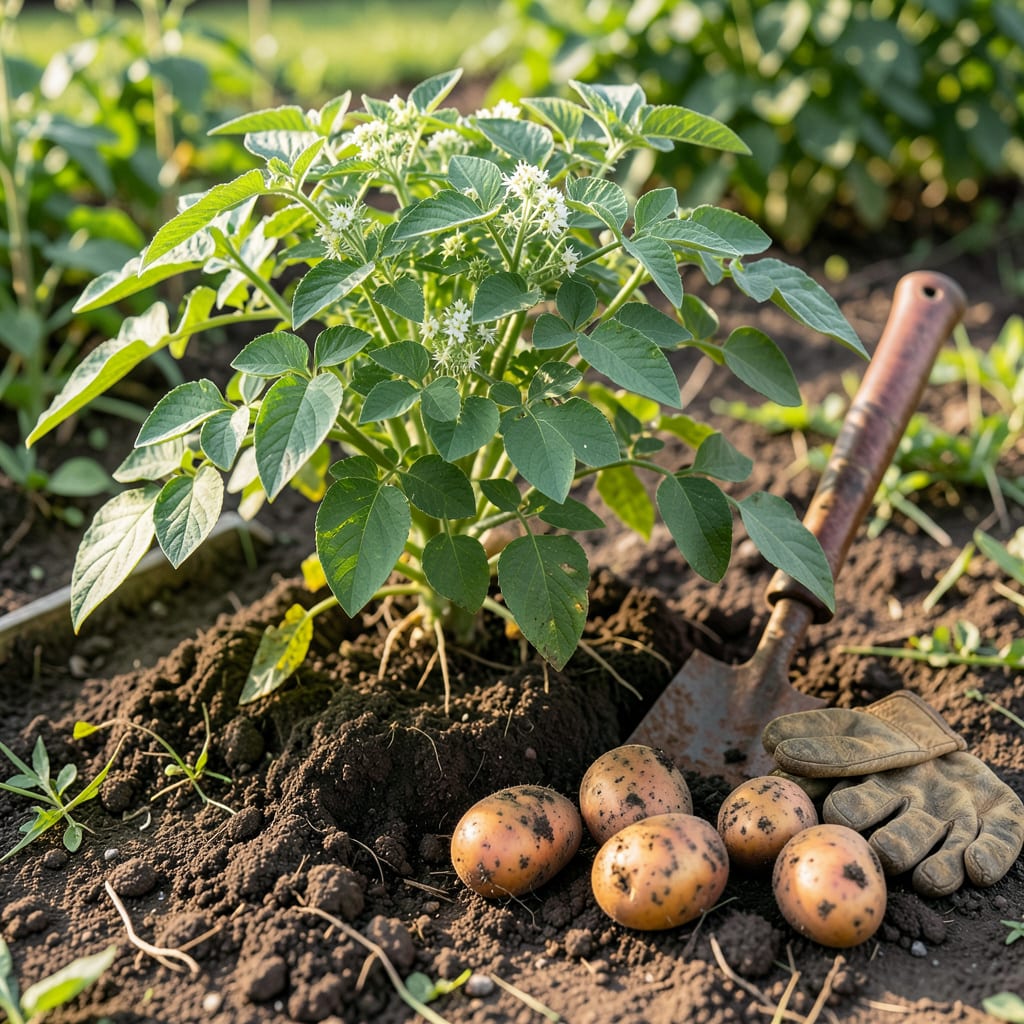
I’ve learned the hard way that timing is everything when it comes to perfect russet potatoes. The difference between a floury, flavorful crop and a disappointing yield often comes down to just a few days.
With the 🥔 Potato plants I grow in zone 6, I watch for those telltale signs that it’s time to dig. Let me share what to look for so you don’t miss that sweet spot for harvest.


I always tell fellow gardeners that russet potatoes won’t tell you when they’re ready—you have to watch closely for the signs. The first clue is the foliage turning yellow and starting to wilt. This tells me the plant is shifting its energy from growth to maturation.
Another sure sign is when the vines die back completely. At this stage, the tubers have stopped growing and are focusing on developing their thick skins, which is crucial for storage.
| Sign | What It Means |
|---|---|
| Yellowing foliage | Plant energy redirecting to tubers |
| Vines die back | Growth complete, tubers maturing |
| Skin set test | Rub skin—if it stays, they’re ready |
| Mature size | 2-5 inches in diameter |
The skin set test is my go-to method for confirmation. I gently rub a tuber with my thumb—if the skin doesn’t scrape off easily, it’s ready. This test works because the skin thickens as potatoes mature, protecting them during harvest and storage.
Size matters too. I look for tubers that are 2-5 inches in diameter. Anything smaller means the plant needs more time. Remember, russets are late-season potatoes, typically needing 90-120 days to reach full maturity.
I also check the soil temperature. If it’s consistently above 50°F, it’s safe to harvest. Colder soil can damage the tubers, while warmer conditions might cause them to sprout prematurely in storage.
One trick I’ve learned is to harvest on a dry day after a few days without rain. This makes digging easier and reduces the risk of rot or disease setting in before I can cure the potatoes properly.
It’s important to note that early harvest gives you “new potatoes” with thinner skins, while waiting for full maturity gives you the classic russet texture perfect for baking. I often dig a test hill to check progress before committing to a full harvest.
Finally, I always use a garden fork to gently lift the plants, being careful not to pierce the tubers. Damaged potatoes won’t store well, so I handle them with care, letting them dry in a dark, well-ventilated area before storage. ☀️
I’ve found that growing zones play a huge role in harvest timing. In my zone 6 garden, russets typically need the full 120 days to mature. Cooler zones may need even longer, while warmer areas might see harvests as early as 90 days.
The days to maturity on your seed potato tag is your best starting point. But I always adjust based on the season’s weather. A cool spring might delay maturity, while a hot summer could speed it up slightly.
I always track the first frost date in my area. Since russets need time to cure before storage, I aim to harvest at least 2-3 weeks before the first expected frost. This gives me a buffer for proper curing.
For early harvests, I might pull a few plants at 90 days for “new potatoes.” But for storage, I wait until the vines die back completely. This ensures the skins have toughened up properly.
Weather can throw off even the best plans. If a heat wave hits, I check my plants more frequently. Extreme heat can cause the tubers to stop growing prematurely. Conversely, cool, wet weather might extend the growing period.
I also consider the planting date. If I got a late start, I might need to adjust my expectations for harvest time. In these cases, I prioritize harvest before frost, even if the plants haven’t fully matured. ✂️
I’ve made my share of mistakes with russet potatoes, and I want to help you avoid them. One of the biggest is harvesting too soon after rain. Wet soil makes digging difficult and can lead to rot or disease in your freshly dug tubers.
Another common error is using sharp tools like shovels that can pierce the potatoes. I always use a garden fork and work carefully around the plants to prevent damage.
Avoid these mistakes to protect your crop:
Leaving harvested potatoes in the direct sunlight is another mistake I see often. Sunlight can cause the tubers to turn green and develop solanine, a bitter compound that’s harmful if consumed. I always move my harvest to a shaded area immediately.
Improper curing is a frequent oversight. After harvest, potatoes need 1-2 weeks in a dark, humid, well-ventilated space to develop their storage skin. Skipping this step can lead to poor storage life and increased spoilage.
Finally, rushing the harvest can cost you. I once dug up a whole row too early and ended up with underdeveloped tubers. Now I always do the skin set test first. If the skin rubs off easily, I wait a few more days before harvesting. 🪴
Gently rub a tuber with your thumb. If the skin stays intact, it’s ready. If it peels off easily, wait 3-5 days and test again.
Only if you need “new potatoes.” For storage, wait until vines die back completely. Harvesting early means thinner skins and shorter shelf life.
Look for tubers 2-5 inches in diameter. Smaller ones indicate the plant needs more time. Size varies by variety and growing conditions.
Wait 1-2 weeks after vines die back. This allows the skin to toughen, which improves storage life and protects against damage.
