
Beautiful Plants For Your Interior
Beautiful Plants For Your Interior
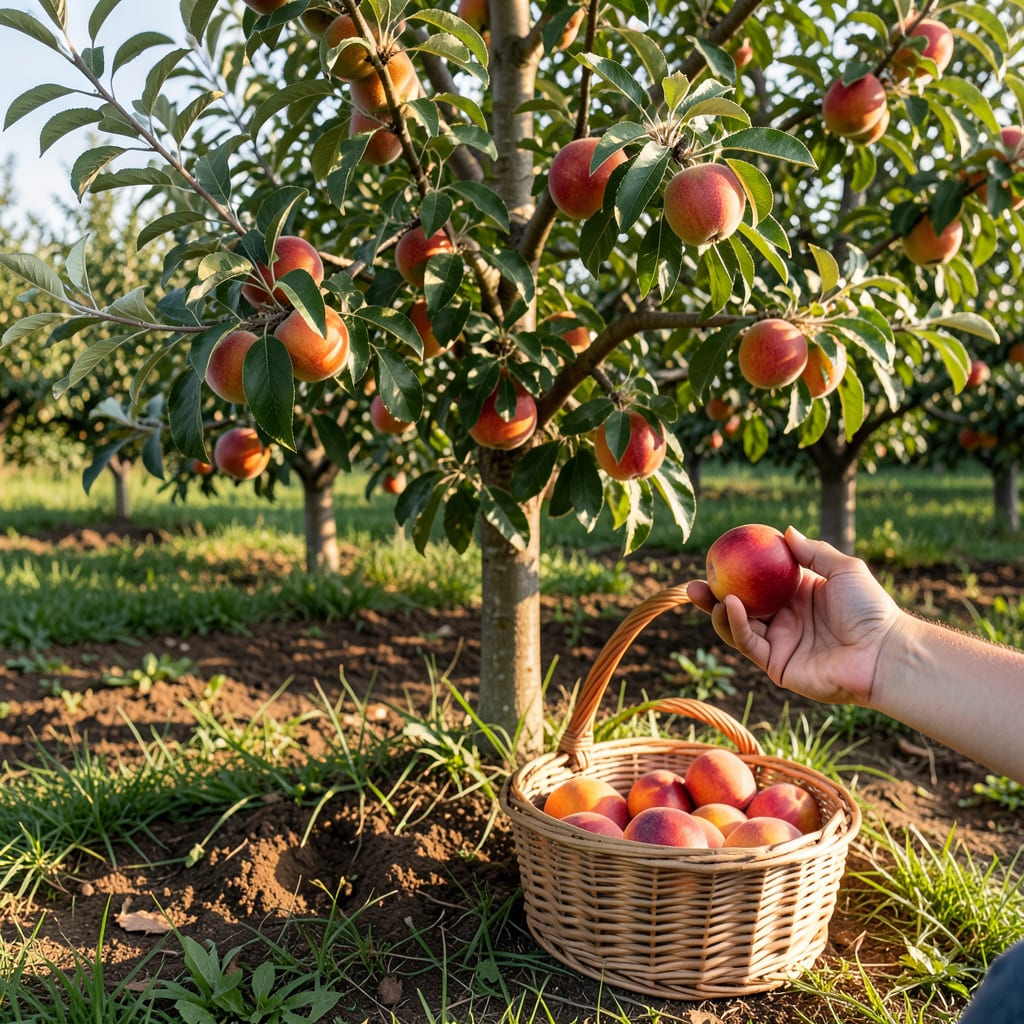
Picking nectarines at the perfect moment means the difference between tart disappointment and burst-of-sunshine sweetness. The 🍑 doesn’t ripen further once plucked, so timing is everything.
I’ll show you the key visual cues and seasonal windows to harvest your nectarines at peak flavor, whether you’re in zone 5-9 or just starting out.


Timing your nectarine harvest perfectly means watching for visual cues rather than just the calendar. The fruit won’t ripen further once picked, so I always check for color changes and firmness first.
Most nectarine varieties shift from green to vibrant orange or red as they ripen, but the real test is the gentle squeeze. If it gives slightly, it’s ready for picking. ☀️
I’ve found that early varieties often ripen in July, while late-season nectarines may hold on the tree until August or even September in cooler zones. Always refer to your specific variety’s expected harvest window.
The stem test is my go-to method. If the nectarine separates cleanly from the branch with a gentle twist, it’s ready. If it resists, leave it for 2-3 more days and check again.
For climate adjustments, nectarines in warmer zones like zone 9 often ripen 1-2 weeks earlier than those in zone 5. Keep an eye on the weather forecast—a heatwave can speed up ripening dramatically. 🌡️
A sweet aroma at the stem is another dead giveaway. If I can smell the nectarine’s fragrance before even touching it, I know it’s at peak ripeness. This is especially true for freestone varieties.
Don’t rely solely on color, as some varieties stay partially green even when ripe. Instead, combine color, firmness, and aroma for the most accurate assessment. I use all three cues every time.
If you’re unsure, pick a test fruit and taste it. If it’s sweet and juicy, harvest the rest of the crop. If it’s still tart or firm, give the tree a few more days to work its magic. 🌿
Remember, nectarines don’t ripen after picking like some other fruits. Once they’re off the tree, the sugar content won’t increase, so timing is everything for that perfect sun-ripened flavor.
Even experienced gardeners can make harvesting mistakes that cost them the best nectarine flavor. I’ve seen many pick too early, only to end up with hard, tart fruit that never sweetens. ☀️
One of the biggest errors is ignoring the stem. If you have to yank the nectarine off, it’s not ready. A gentle twist should do the trick for ripe fruit.
⚠️ Warning: Avoid These Harvesting Pitfalls
Another common misstep is harvesting during wet weather. I always check the forecast and avoid picking during or after rainfall. Excess moisture can dilute the sugar content and increase the risk of rot during storage.
Mishandling the fruit is also a frequent issue. Nectarines bruise easily, so I cradle each one in my palm and use my fingers to gently twist it from the branch. Never pull directly from the stem.
Many gardeners also forget variety differences. Early varieties like ‘Red Gold’ may be ready in late June, while late varieties like ‘Fantasia’ might not ripen until September. Always check your specific tree’s expected timeline.
Finally, don’t wait too long. Overripe nectarines become mushy and attract pests. I make it a habit to check my trees every 2-3 days once they start showing signs of ripeness. 🌿
Once you’ve picked your nectarines, proper handling ensures they stay fresh and flavorful as long as possible. I always start by inspecting each fruit for bruises or damage before storage. 🌱
For unripe nectarines, I place them in a paper bag at room temperature for 1-2 days to soften. This mimics the tree’s natural process, though they won’t get sweeter.
🌿 Top Tips for Storing Nectarines
For long-term storage, I recommend freezing nectarines. First, slice and blanch in boiling water for 1 minute, then cool in ice water before freezing in a single layer on a tray.
If your nectarines are overripe, don’t toss them! They’re perfect for smoothies or jam. I also like to dehydrate slices for a sweet, chewy snack. ☀️
Remember, nectarines continue to soften but not sweeten after picking. So, handle them with care to preserve their garden-fresh taste as long as possible.
Check for a vibrant orange/red color replacing green and a sweet aroma near the stem. Gently press the fruit—it should yield slightly to gentle pressure.
They won’t ripen further off the tree. Early-picked nectarines stay hard and tart, as their sugar content doesn’t increase after harvesting.
No, timing varies by variety. Early types like ‘Red Gold’ may ripen in late June, while late varieties like ‘Fantasia’ can hold until September.
Place unripe nectarines in a paper bag at room temperature for 1-2 days to soften. However, they won’t get sweeter once picked.
