
Beautiful Plants For Your Interior
Beautiful Plants For Your Interior
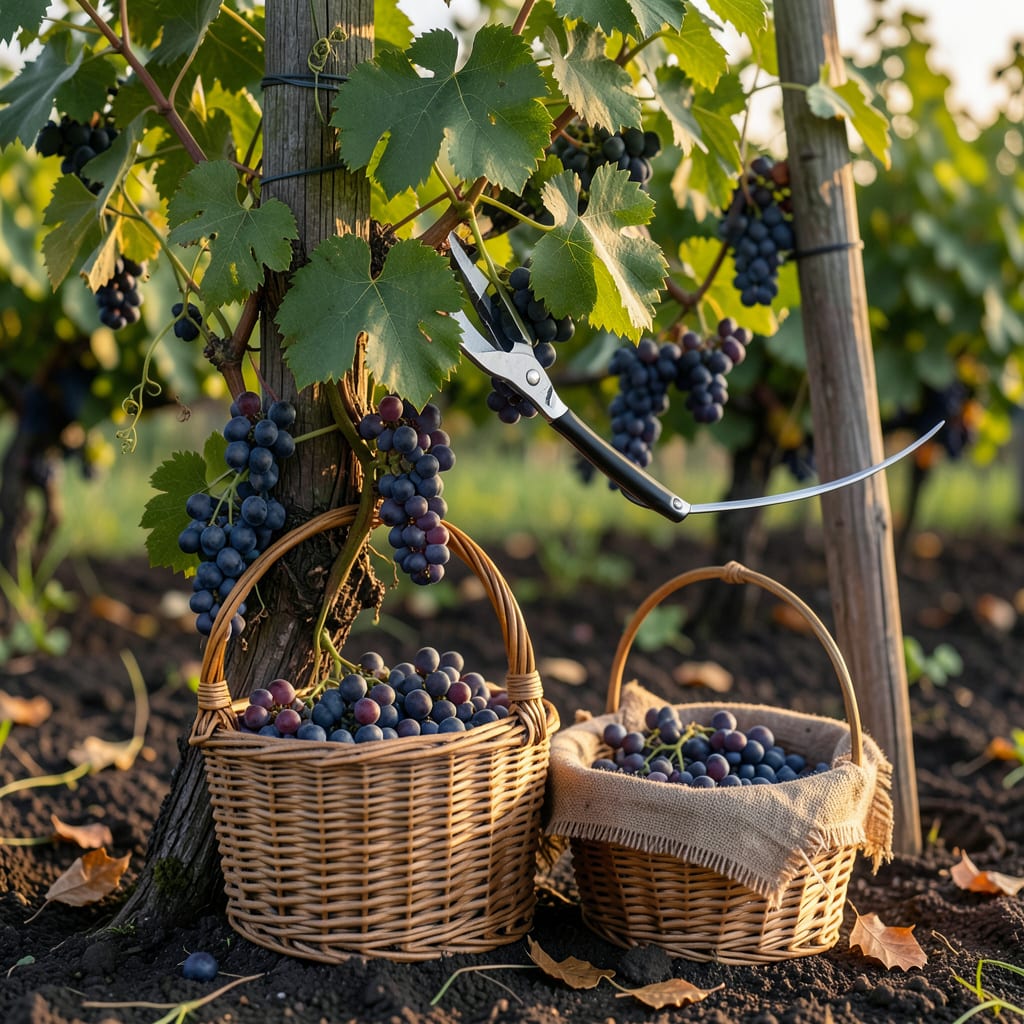
I still remember my first Grape harvest – plucking a cluster too soon and getting a mouthful of sour disappointment. Nature doesn’t make it obvious when your 🍇 are ready, but there are clear signs if you know where to look.
From color changes to stem conditions, I’ll show you the visual cues that guarantee peak sweetness. Late summer to early fall is your window, but timing depends on these subtle signals.


I’ve learned that color change is the first sign your grapes are nearing readiness. For red grapes, this means a deep, consistent hue, while white grapes turn translucent with a golden tint.
But color alone isn’t enough. I always check the seed color too – when they turn from green to brown, it’s a strong indicator of ripeness.
| Ripeness Sign | What to Look For |
| Deep, consistent hue for variety |
| Brown, not green |
| Brown and woody |
| Easily separates from vine |
| Soft when gently squeezed |
The stem condition tells a story too. When stems turn from green to brown and woody, your grapes are likely ready. This change happens as the fruit matures.
I always perform the berry separation test. Gently pull a grape from the cluster – if it comes off easily, that’s a good sign. If it resists, wait a few more days.
The taste test is my final check. I sample grapes from different parts of the vine. When they’re sweet throughout with no tartness near the skin, it’s harvest time.
For Concord grapes, I look for a deep purple-black color. Thompson Seedless turn from green to pale gold. Each variety has its own color timeline.
Remember that weather affects ripening. A hot summer can speed up the process, while cool temperatures may delay it by weeks.
I’ve found that morning harvesting gives the best results. The grapes are cooler and firmer, making them easier to handle without damage.
I’ve found that grape varieties have distinct ripening timelines. Concord grapes typically mature in 90-120 days, while Thompson Seedless often need 120-150 days of warm weather.
Muscadine grapes thrive in hot climates and may ripen faster in the Deep South. Cooler regions like the Pacific Northwest can extend the growing season significantly.
Concord Variety: 90-120 days to maturity, ideal for cooler climates
Thompson Seedless: 120-150 days, thrives in hot, dry conditions
Muscadine: 100-130 days, perfect for humid southern states
Climate Impact: Hot summers accelerate ripening by 1-2 weeks
A hot summer can accelerate ripening by 1-2 weeks, while a cool spring might delay it. I watch my vines closely during heat waves as grapes can overripen quickly.
In my experience, coastal areas with moderate temperatures produce grapes with more balanced sugar levels. The consistent climate helps prevent the sugar spikes that can occur in inland regions.
Rainfall patterns also play a role. Too much rain near harvest can dilute flavors and cause berry splitting. I always check the forecast before deciding on my harvest date.
For early varieties, I start checking for ripeness in late July. Late varieties might not be ready until October, depending on the growing season’s conditions.☀️
I’ve made my share of harvesting mistakes with grapes, and the biggest one was picking too early. Even if grapes look ready, they might need another week to develop full sweetness.
Another common error is ignoring Brix levels. These measure sugar content, and I use a refractometer to check. Grapes below 20% Brix often taste underripe.
Warning: Harvesting during wet conditions leads to diluted flavors and potential mold growth. Always wait for dry weather and pick in the morning when grapes are firmest.
I learned the hard way that uneven ripening means not all clusters are ready at once. I now check each bunch individually, as some may need more time on the vine.
Overlooking the stem condition is another pitfall. Green stems mean the grapes aren’t ready, while brown, woody stems indicate maturity. This simple check saves me from early harvesting.
Finally, I avoid harvesting after heavy rain. The excess water can cause berries to split and reduces their storage life. Patience always pays off with better flavor and quality.☀️
Check for deep, consistent color and stems that turn brown and woody. Gently squeeze a grape—if it’s soft and separates easily from the cluster, it’s ready.
Avoid picking during or after heavy rain. Excess water dilutes flavor and can cause berries to split. Wait for dry weather and harvest in the morning when grapes are firmest.
Concord grapes mature in 90-120 days, while Thompson Seedless take 120-150 days. Hot climates can speed up ripening by 1-2 weeks.
Pick in the early morning when temperatures are cool. This keeps grapes firm, making them easier to handle without damage.
