
Beautiful Plants For Your Interior
Beautiful Plants For Your Interior
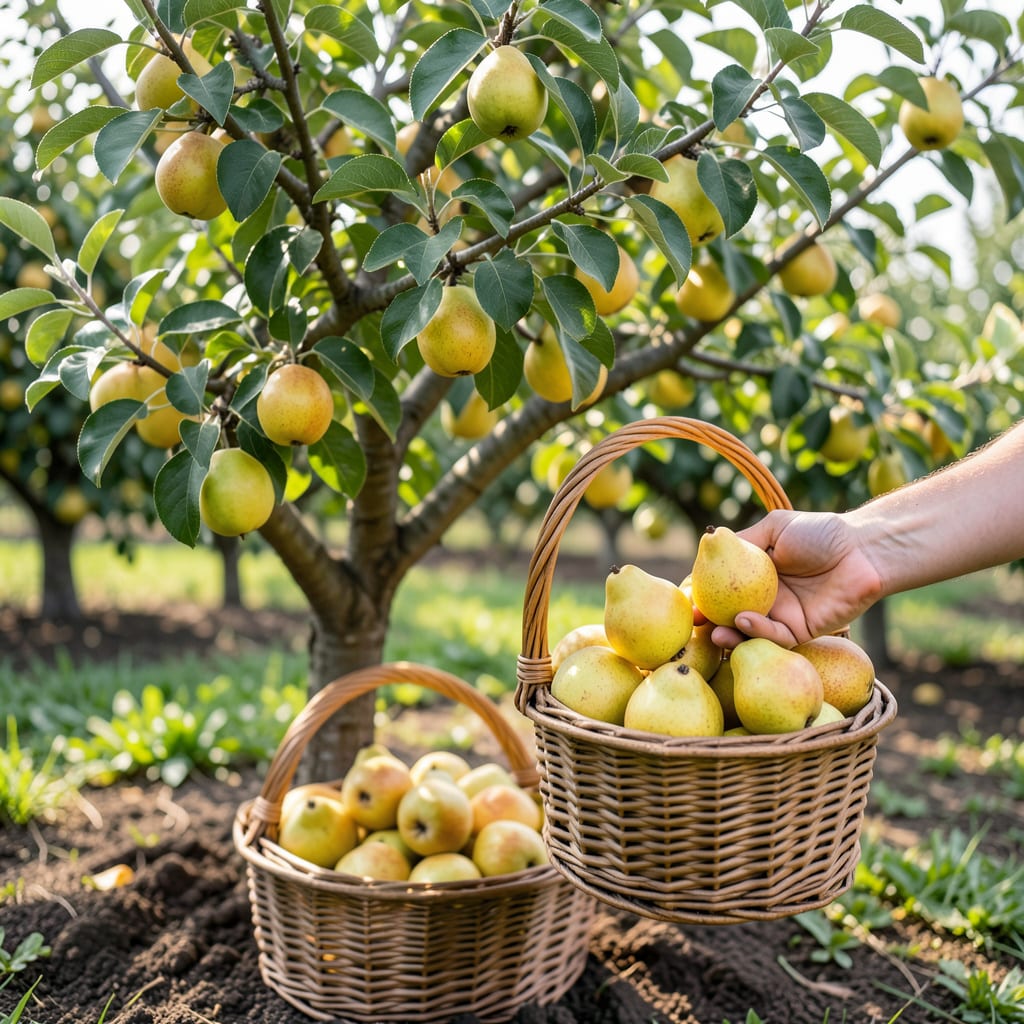
Nothing beats the taste of a perfectly ripe 🍐 Bartlett Pear picked at just the right moment. The difference between underripe and perfect is night and day.
I’ll show you the color and texture clues that signal your Bartlett Pears are ready to come off the tree. Discover how to time your harvest for the sweetest, juiciest results every time.


Timing your Bartlett pear harvest perfectly ensures sweet, juicy fruit. I watch for color changes first—the skin transitions from deep green to a lighter yellow as they mature. This is your first visual cue that harvest time is near.
Another key indicator is ease of separation. When pears are ready, they’ll twist off the branch with a gentle upward motion. If they resist, they’re not quite there yet.
| Harvest Cue | What to Look For |
|---|---|
| Color Change | Green to yellow or light green |
| Firmness | Slightly soft at stem end |
| Separation | Twists off easily with upward motion |
| Aroma | Sweet pear fragrance at stem |
| Taste Test | Sample one fruit for sweetness |
I always check the stem end for softness. A ripe Bartlett pear will yield slightly when pressed near the stem. This is different from the body of the fruit, which should still feel firm.
The aroma test is my favorite. Ripe pears emit a sweet, distinctive fragrance at the stem. If you don’t smell anything, give them a few more days on the tree.
For absolute certainty, I test one pear from different parts of the tree. Cut it open—if the seeds are dark and the flesh near the core is creamy white, the rest are ready.
Early harvest means firmer pears that’ll ripen indoors. Late harvest risks overripe, mealy fruit. I aim for that perfect middle ground where they’re mature but still firm.
Remember that Bartlett pears ripen from the inside out. That’s why they can feel hard when picked but soften beautifully after a few days indoors.
In my experience, morning harvesting works best. The fruit is cooler and firmer, making it easier to handle without bruising. Plus, the sugar content is at its peak after a cool night.
Finally, don’t wait for pears to ripen on the tree. Bartletts are best picked when mature but firm, then allowed to ripen indoors. This gives you control over the process and prevents losses from birds or wind.
🌳The harvest window for Bartlett pears varies significantly by USDA zone and local climate. In zone 5, I typically start checking in mid-August, while zone 9 growers may wait until late September for peak ripeness.
Early varieties often ripen 2-3 weeks before late-season Bartletts. I’ve found that cooler climates produce pears with higher sugar content, but they may take longer to mature on the tree.
I always monitor daily temperatures during the harvest window. A heat wave can accelerate ripening by several days, while cool nights may slow the process. I keep a garden journal to track these patterns year to year.
For young trees, expect a shorter harvest window and fewer pears. My 3-year-old Bartlett produced its first decent crop in late August, while my mature tree gives fruit from August through September.
The elevation of your garden also plays a role. My friend at 2,000 feet harvests her Bartletts 1-2 weeks later than I do at sea level, even though we’re in the same zone.
Remember that weather patterns affect harvest timing. A wet spring followed by a hot summer often means an earlier harvest with exceptionally sweet fruit. I’ve had my best harvests after these conditions.
🌿Once you’ve harvested your Bartlett pears, proper handling ensures they reach peak ripeness. I always start by gently placing them in a single layer to prevent bruising. This is crucial for maintaining quality.
For faster ripening, I use the paper bag method. Place pears in a brown paper bag with a ripe banana or apple. The ethylene gas speeds up the process beautifully.
Store pears at room temperature (65-75°F) for 2-3 days to ripen. Check daily by gently pressing near the stem – they’re ready when they yield slightly.
I check my pears daily during ripening. The stem end will soften first, followed by the rest of the fruit. This gradual process takes about 3-5 days at room temperature.
For longer storage, once ripe, move pears to the refrigerator. They’ll keep for 1-2 weeks this way. I find they maintain best flavor when stored in the crisper drawer.
Never store unripe pears in the fridge – the cold stops ripening. Always let them mature at room temperature first. This simple rule prevents many common ripening mistakes.
🌳Check the color first—it should shift from green to yellow or light green. Then gently lift and twist a pear. If it separates easily with an upward motion, it’s ready. A sweet aroma at the stem is another sure sign.
Pears on the sunniest side of the tree often mature first. Also, those closer to the trunk may ripen sooner than those on branch tips. This natural variation is normal.
No, Bartletts are best picked when mature but still firm. If left to ripen fully on the tree, they often become overripe, mealy, or attract pests. Always ripen them indoors.
Underripe pears won’t soften properly and may stay hard with poor flavor. They lack the sugars needed for good taste. If in doubt, wait for the color change and easy twist test.
