
Beautiful Plants For Your Interior
Beautiful Plants For Your Interior
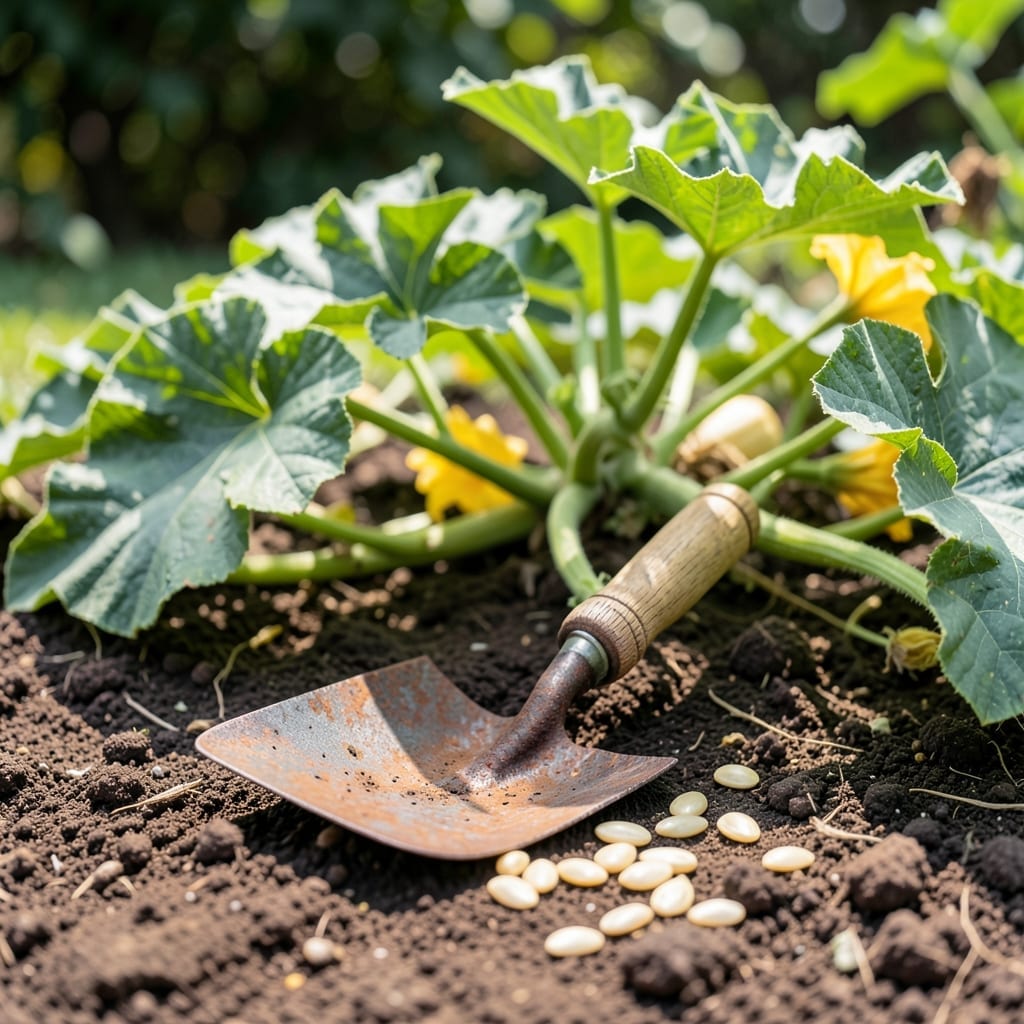
Timing is everything when growing pumpkins in California—plant too early or too late, and your harvest could suffer. With the state’s diverse climate zones, knowing the ideal window for your region ensures healthy vines and bountiful 🎃.
From coastal fog to inland heat, each area has its own rhythm. I’ve seen gardeners struggle when they ignore these natural cues. The good news? A little planning makes all the difference.
Discover the best months to plant and how to work with your local conditions. Let’s set you up for a successful growing season.


California’s USDA zones 7-11 each have unique planting windows for pumpkins. In cooler zones like 7a-7b, wait until late April or early May when soil warms to 70°F. Warmer zones can start earlier.
For zones 8-9, mid-April to early July works well, while zone 10-11 gardeners can plant as early as March or as late as August. Always check your local frost dates to avoid cold damage.
| USDA Zone | Planting Window | Soil Temp Requirement |
|---|---|---|
| 7a-7b | Late April – Early May | 70°F minimum |
| 8a-8b | Mid-April – Early June | 70-75°F ideal |
| 9a-9b | Early April – Early July | 75°F+ optimal |
| 10a-11 | March – August | 80°F preferred |
I’ve found that early varieties like ‘Small Sugar’ do well in shorter seasons, while ‘Howden’ thrives in warmer zones. Always pre-warm soil with black plastic for faster germination.
In coastal areas, fog can delay warming. Use row covers to retain heat. Inland gardeners should watch for heatwaves that may stress young plants.
For best results, plant in well-draining soil with plenty of compost. Space vines 5-6 feet apart to allow for sprawling growth.
Water deeply 1-2 times weekly, more in extreme heat. Mulch with straw to retain moisture and suppress weeds.
Remember, pumpkins need 90-120 days to mature. Count backward from your first fall frost to time planting perfectly.
In my experience, successful pumpkin patches start with timing and soil prep. Don’t rush—wait for those ideal conditions and your vines will thank you.☀️
For zone 10-11, consider shade cloth during peak summer to protect leaves from scorching. This small step can prevent heat stress and keep plants productive.
Several critical factors determine when to plant pumpkins in California. I always start by checking my last frost date, as pumpkins are frost-sensitive. Soil temperature is equally important—70°F or warmer is ideal for germination.
Variety selection matters too. Early-maturing types like ‘Jack Be Little’ need 85-100 days, while giants like ‘Atlantic Giant’ may require 120-140 days. Choose based on your growing window.
In my garden, I’ve learned that heat tolerance varies by variety. ‘Cinderella’ handles heat well, while ‘New England Pie’ prefers milder conditions. Always acclimate seedlings before transplanting to avoid shock.
Water availability impacts timing too. Plant when you can commit to consistent watering, especially during fruiting. Drought stress can reduce yields significantly.
Don’t overlook your local microclimate. Even within a zone, a sunny slope or foggy pocket can shift your planting window by 2-3 weeks. Observe your garden’s unique patterns.
Finally, consider pest pressures. Planting early can help avoid squash bugs in some areas, while later planting might dodge early aphid infestations. I rotate my planting dates to stay ahead of pests.
With these factors in mind, you’ll find the perfect timing for your California pumpkin patch. 🌱