
Beautiful Plants For Your Interior
Beautiful Plants For Your Interior
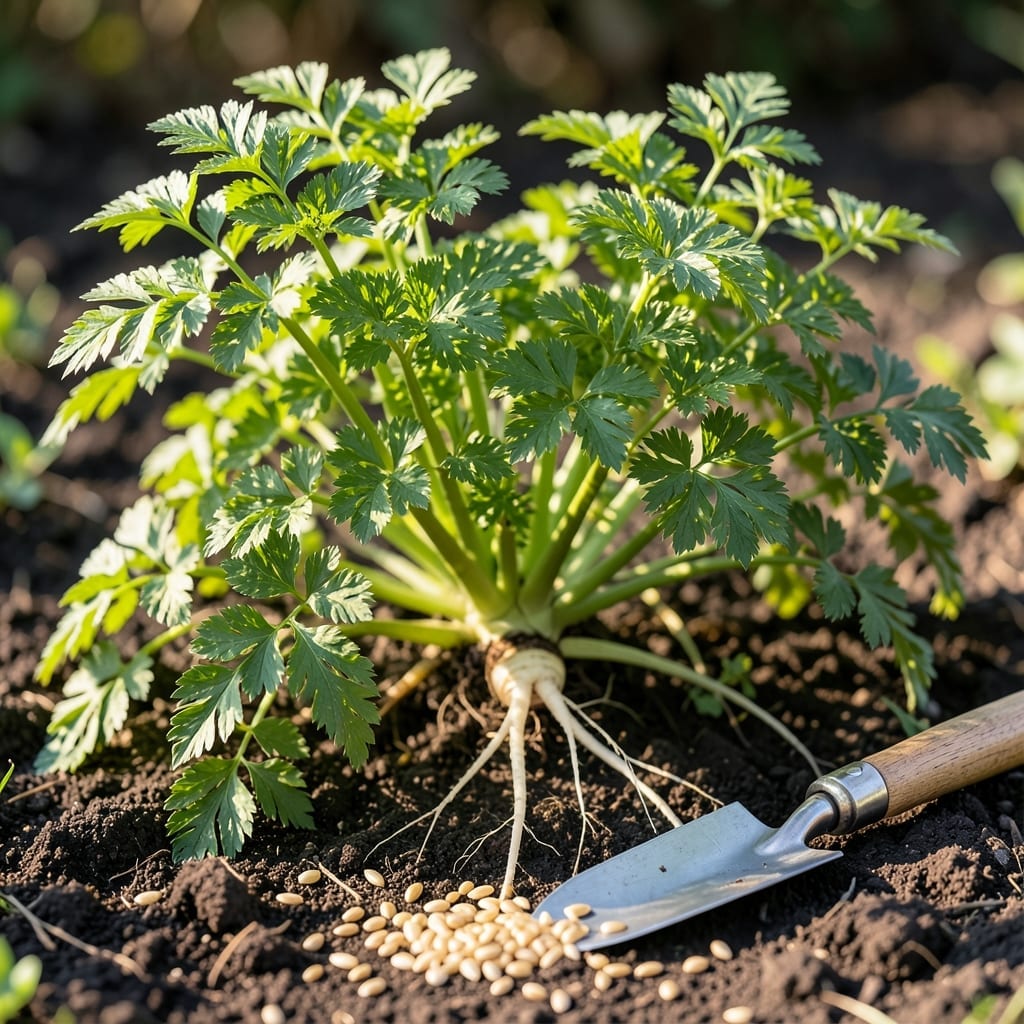
Timing is everything when growing Parsnip 🥕—plant too early or too late, and you’ll miss out on their signature sweet, nutty flavor. This root vegetable thrives in cool weather.
Knowing the exact window for your climate can make or break your harvest. Whether you’re in zones 3-9 or just starting out, the right timing ensures the best results.
I’ll walk you through the optimal planting windows and conditions to help you succeed. From soil prep to seasonal adjustments, you’ll learn what it takes.
Discover how to grow Parsnip like a pro and enjoy a bountiful harvest. Let’s get started.

Parsnips are a cool-weather crop that thrive when planted at the right time. They require a long growing season of 120-180 days, so timing is crucial for a successful harvest. The best window depends on your USDA zone and local climate conditions.
For most gardeners, early spring or late summer planting works best. Parsnips prefer soil temperatures between 40-60°F for germination and can tolerate light frosts, which actually enhance their sweetness.
| USDA Zone | Planting Window | Harvest Time |
|---|---|---|
| 3-4 | April-May | October-November |
| 5-6 | March-April or July-August | November-December |
| 7-8 | February-March or August-September | December-January |
| 9-10 | January-February or September-October | March-April |
In colder zones (3-4), parsnips should be planted as soon as the soil is workable in spring. The seeds are slow to germinate, often taking 2-3 weeks, so patience is key. I recommend marking your rows to avoid accidentally disturbing them.
For moderate climates (5-6), you have two planting options. The spring crop can be sown 4-6 weeks before your last frost date, while a fall crop can be planted in mid-to-late summer for winter harvest.
Gardeners in warmer zones (7-10) should focus on fall and winter planting. Parsnips struggle in hot weather, so avoid sowing during the peak of summer. The seeds may not germinate if soil temperatures exceed 75°F.
A stone-free soil is essential for growing straight, unblemished parsnips. I always loosen the soil to a depth of 12-15 inches and remove any rocks or debris before planting. This prevents the roots from forking or becoming misshapen.
Parsnips can be left in the ground over winter in mild climates. In fact, a light frost or two will convert their starches to sugars, making them even sweeter. Just be sure to mulch heavily to protect the roots from freezing.
If you’re unsure about your planting window, check your local frost dates. Parsnips can be sown 2-3 weeks before your last spring frost or 10-12 weeks before your first fall frost. This timing ensures they mature during the coolest parts of the year.
Remember, parsnips are biennial plants, meaning they’ll flower and set seed in their second year if left in the ground. For the best root production, harvest them within their first growing season. If you do want to save seeds, allow a few plants to overwinter and flower the following year.
☀️I always recommend waiting for that first frost before harvesting parsnips. The cold triggers a starch-to-sugar conversion, transforming their flavor from mild to incredibly sweet and nutty. This natural process is why fall-harvested parsnips taste so much better.
Leaving parsnips in the ground through light frosts enhances their flavor significantly. In mild climates, you can even overwinter them for an early spring harvest. Just add a thick mulch layer for protection against hard freezes.
For the best results, I suggest harvesting parsnips when the foliage dies back and the roots reach 1-2 inches in diameter. This typically happens after 120-150 days of growth, depending on the variety.
If you’re in a cold climate, harvest before the ground freezes solid. In warmer zones, you can leave them in the soil and harvest as needed throughout winter. Just be sure to cover the bed with straw or leaves.
After harvesting, store parsnips in a cool, humid place like a root cellar. They’ll keep for 2-4 months if stored properly. Avoid washing them until ready to use to prevent rot.
I’ve found that parsnips left in the ground until late fall develop the richest flavor. The combination of cool temperatures and maturity creates a taste that’s well worth the wait. Try it yourself this season!
☀️