
Beautiful Plants For Your Interior
Beautiful Plants For Your Interior
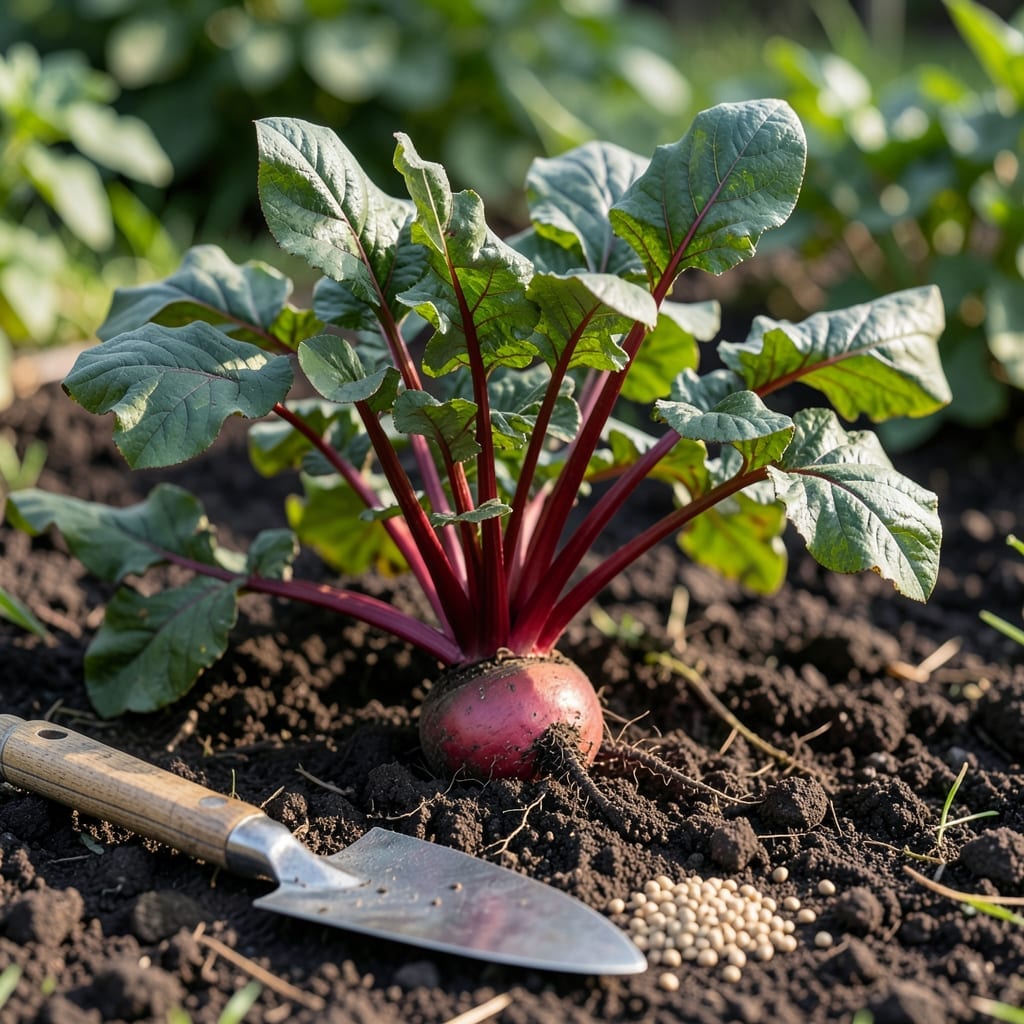
Timing is everything when it comes to growing Beet 🥜—plant too early or too late, and you might end up with tough, woody roots instead of sweet, tender harvests.
This guide will help you pinpoint the perfect planting window for your climate and growing conditions. Whether you’re in zone 6a or adjusting for your local weather, timing makes all the difference.
I’ll walk you through seasonal strategies that ensure a bountiful harvest. Let’s get your garden off to the right start.

Getting your beet planting timing right means sweeter, more tender roots. The ideal window varies by USDA hardiness zone, but most gardeners can plant in early spring or late summer for a fall harvest.
Beets are cold-hardy, so they can tolerate light frosts, making them perfect for shoulder seasons. I’ve found that starting seeds 4-6 weeks before your last frost date works well in most regions. 🌱
| Zone | Spring Planting | Fall Planting |
|---|---|---|
| 1-3 | April – May | July – August |
| 4-6 | March – April | August – September |
| 7-9 | February – March | September – October |
| 10-11 | October – November | January – February |
In cooler zones like 1-3, beets thrive when planted in late spring after the soil warms slightly. I recommend using a soil thermometer to check for temperatures above 40°F before sowing. ☀️
For moderate climates (zones 4-6), early spring planting is ideal. Beets germinate quickly in 50-60°F soil, and you can often harvest within 60 days. Don’t forget a fall crop—sow in late summer for a second harvest.
Gardeners in warmer zones (7-9) can start beets in late winter for an early spring harvest. The key is avoiding summer heat, which can make roots woody and bitter. I’ve had great luck planting in September for a winter harvest.
In hot climates like zones 10-11, beets are best grown as a winter crop. Plant in fall or early winter to avoid the intense heat. Beets need consistent moisture, so mulch heavily to retain soil water. 🌿
For succession planting, sow new seeds every 2-3 weeks until temperatures exceed 75°F. This ensures a steady supply of tender beets rather than one large harvest. I use this method to enjoy fresh beets all season long.
Remember, beets prefer well-draining soil with a pH of 6.2-7.0. If your soil is heavy clay, amend it with compost or sand to improve drainage. This small step can make a big difference in root quality.
Finally, keep an eye on the weather forecast. If a hard frost is expected after planting, cover young seedlings with row covers or cloches. This extra protection can save your crop from unexpected cold snaps.
For optimal beet germination, soil temperature is key. I’ve learned that 40-85°F is the sweet spot, with 50-60°F being ideal for quick sprouting. Below 40°F, seeds may rot or fail to germinate. 🌱
At 70-75°F, beets germinate fastest—often within 5-7 days. However, if the soil exceeds 85°F, germination slows, and roots may become tough and bitter. I always check with a soil thermometer before planting.
To boost soil warmth, I use black plastic mulch or row covers in early spring. These methods help reach the ideal temperature faster and protect young plants from cold snaps. ☀️
In warmer climates, I plant beets in partial shade during peak summer to avoid overheating the soil. This ensures consistent growth without stressing the plants. Mulching also helps retain moisture and regulate temperature.
Remember, beet flavor improves in cooler weather. Roots grown in 60-70°F soil tend to be sweeter and more tender. I’ve noticed a big difference in taste when harvesting beets from fall plantings compared to summer crops.
If your soil is too cold, consider starting seeds indoors in peat pots. Transplant when the soil warms to at least 50°F. This gives you a head start in regions with short growing seasons. 🌿