
Beautiful Plants For Your Interior
Beautiful Plants For Your Interior
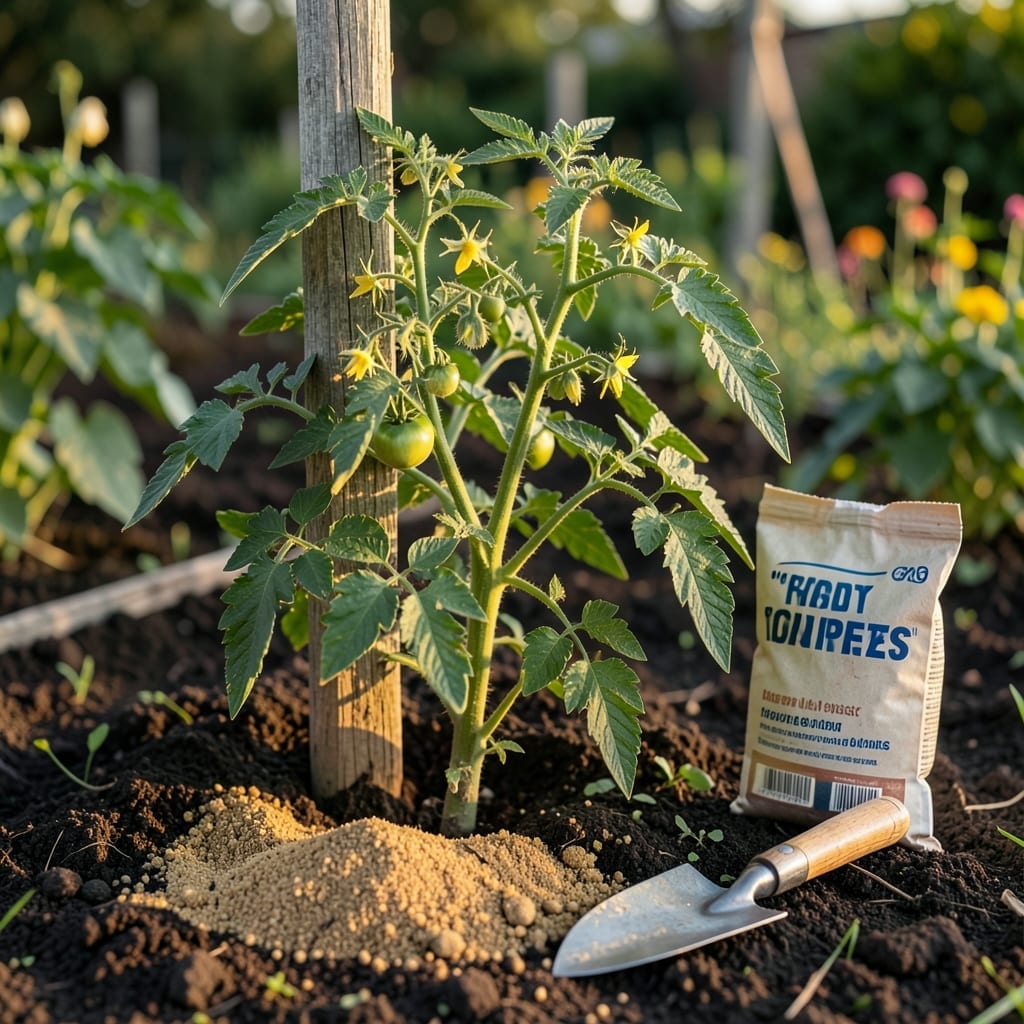
Timing your fertilizer application can make the difference between a lackluster harvest and a thriving 🥕 Vegetable Garden bursting with flavor and yield.
Knowing when to fertilize ensures your plants get the nutrients they need exactly when they need them most. It’s not just about what you feed them, but when.
I’ve seen gardens transform from struggling to spectacular just by adjusting the feeding schedule. The right timing can be the key to unlocking your garden’s full potential.
Discover how to sync your fertilization with your plants’ growth stages for a bountiful harvest from June to October.
Timing your fertilizer application is crucial for a productive vegetable garden. Each season brings unique nutrient demands that directly impact plant growth and yield. I’ll walk you through the optimal schedule for spring, summer, and fall.
In early spring, I always pre-fertilize the soil before planting. This gives young seedlings a strong start with essential nitrogen, phosphorus, and potassium. It’s like laying a nutrient-rich foundation for your garden’s success.
| Season | Action | Frequency | Purpose |
| Spring | Feed heavily | Every 4 weeks | Prepare soil for planting |
| Summer | Light feed | Every 6 weeks | Maintain growth during peak season |
| Fall | Feed again | Once | Replenish nutrients after harvest |
| Winter | Skip | N/A | Soil is dormant |
As summer arrives, I switch to a lighter feeding schedule. The heat stresses plants, so I use half-strength fertilizer every 6 weeks to avoid burning roots while keeping growth steady.
For heavy feeders like tomatoes and peppers, I add a high-phosphorus boost just as they start flowering. This encourages strong fruit development and prevents blossom drop.
In late summer, I monitor plants closely. If I see yellowing leaves or slow growth, I’ll give them a quick nutrient pick-me-up with a water-soluble fertilizer.
Fall fertilization is often overlooked but vital. After harvesting, I replenish the soil with compost or a balanced fertilizer to prepare for next year’s planting.
For leafy greens like lettuce and spinach, I use a high-nitrogen fertilizer early in the season to promote lush foliage. But I ease off as they mature to avoid excessive leafy growth.
Remember, over-fertilizing can be as harmful as under-fertilizing. I always follow package instructions and adjust based on my soil test results and plant responses.
Finally, I water deeply after fertilizing to help distribute nutrients and prevent root burn. This simple step makes a big difference in how well my plants absorb the feed.
By following this seasonal schedule, I’ve seen my vegetable garden thrive with stronger plants and more abundant harvests year after year
🌱I always watch my garden closely because plants communicate their needs through visible signs. When your vegetable garden starts showing certain symptoms, it’s often a cry for nutrients.
One of the most common indicators is yellowing leaves, especially between the veins, which often signals a nitrogen deficiency. This typically appears on older leaves first as the plant redirects nutrients to new growth.
Another red flag is slow growth during the active growing season. If your tomato plants or pepper plants seem to be lagging behind their usual pace, they might need a nutrient boost. I’ve found that a balanced fertilizer can often restart vigorous growth.
Watch for leaf discoloration beyond just yellowing. Purple or red tinges on leaves often indicate a phosphorus deficiency, which is crucial during flowering and fruiting stages. This is particularly common in cool spring soils where phosphorus is less available.
Don’t overlook overall plant vigor. Healthy vegetable plants should have strong stems, vibrant leaves, and consistent growth. If your plants look weak or sparse, it’s likely time to fertilize. I recommend checking the soil first with a simple test kit.
Remember that over-fertilizing can be as harmful as under-fertilizing. Always follow package instructions and consider using organic options like compost or fish emulsion for a gentler approach. Your garden will thank you with a bountiful harvest! 🌱