
Beautiful Plants For Your Interior
Beautiful Plants For Your Interior
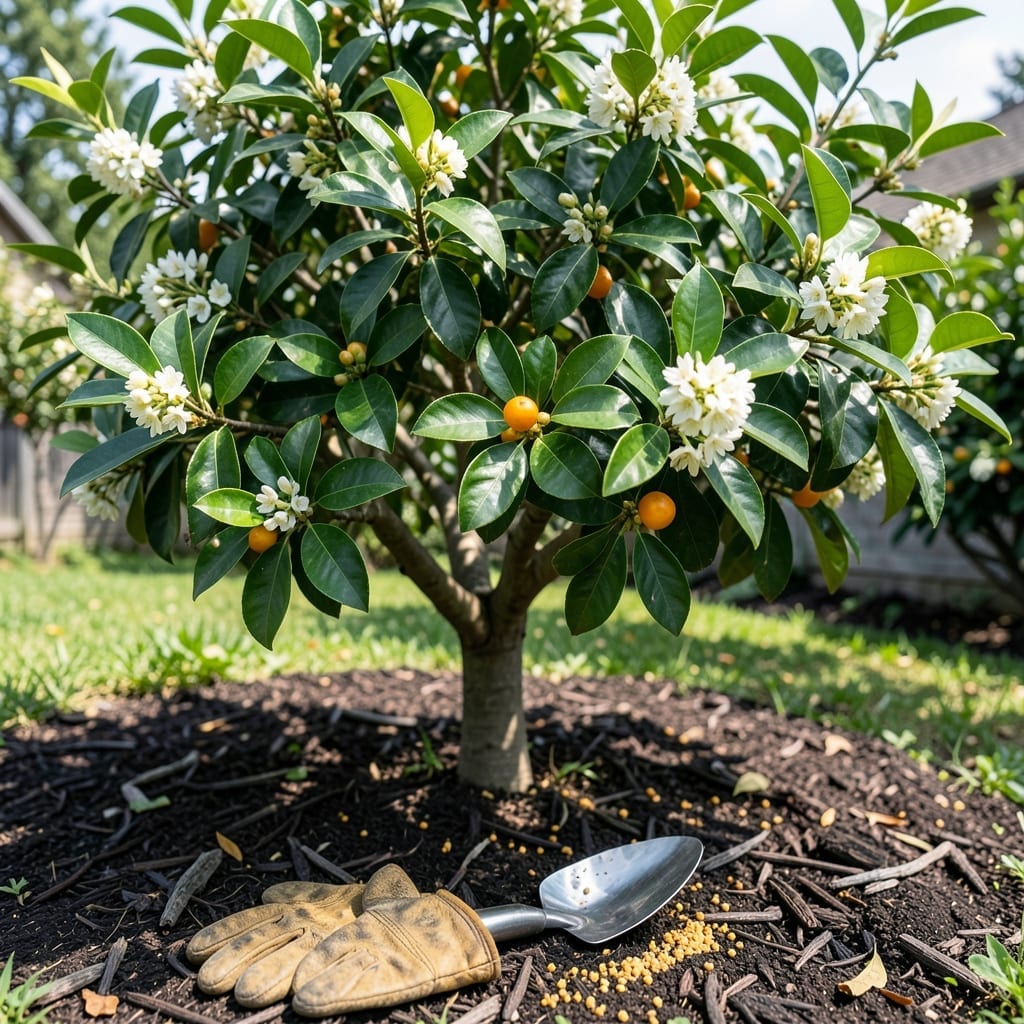
Timing your satsuma tree fertilization correctly can mean the difference between a lackluster harvest and juicy, abundant 🍊 citrus. Louisiana’s unique climate demands a strategic approach to keep these trees thriving.
I’ve seen firsthand how proper timing transforms Satsuma Trees from struggling to spectacular. The state’s humid subtropical conditions and acidic soils create specific needs that generic advice just doesn’t address.
Whether you’re a seasoned gardener or just starting with your first Satsuma Tree, understanding when and how to fertilize in zones 8a-9b is crucial. The growing season here offers distinct advantages if you know how to leverage them.
Discover the exact schedule that works for Louisiana’s conditions and watch your trees flourish like never before. Let’s break down what your Satsuma Trees truly need to thrive.
Louisiana’s humid subtropical climate and acidic soils create the perfect environment for Satsuma Trees, but timing your fertilization is key. I’ve found that following the natural growth cycles works best here.
The ideal window starts in early spring, just as new growth appears. This is when your trees are waking up from winter dormancy and need a nutrient boost to support the coming bloom.
| Season | Action | Frequency | Amount |
| Early Spring | Feed | Every 4-6 weeks | 1-2 lbs |
| Late Spring | Light Feed | Every 4-6 weeks | 1 lb |
| Summer | Feed | Every 6 weeks | 2 lbs |
| Fall | Feed | Once | 3-5 lbs |
| Winter | Skip | N/A | N/A |
During summer months, I recommend reducing the frequency slightly. The intense heat can stress your trees, so a lighter feeding every 6 weeks keeps them nourished without overwhelming them.
As fall approaches, give your Satsuma Trees one final feeding. This helps them store nutrients for winter dormancy and sets the stage for next year’s growth. Use a bit more fertilizer here—3-5 lbs for mature trees.
Winter is a time to rest. Your trees are dormant, and fertilization isn’t necessary. In fact, feeding during this period can do more harm than good by encouraging tender new growth that’s vulnerable to frost.
For young trees, start with 1-2 lbs of fertilizer per application. As they mature, you can increase this to 3-5 lbs. Always water deeply after fertilizing to help distribute the nutrients.
Louisiana’s long growing season gives you plenty of time to fertilize effectively. Just
If you notice yellowing leaves or stunted growth, it might be a sign your tree needs an extra feeding. But always check your soil first—sometimes the issue is drainage or pH, not nutrients.
Finally, early morning is the best time to fertilize. This gives the nutrients time to soak into the soil before the heat of the day. Plus, it reduces the risk of burning your tree’s roots.
Stick to this schedule, and your Satsuma Trees will reward you with vibrant growth and bountiful harvests year after year. 🌿
Louisiana’s warm, humid climate can sometimes mask nutrient deficiencies in Satsuma Trees. I always check for subtle signs before reaching for the fertilizer bag.
Yellowing leaves, particularly between the veins, often indicate a nitrogen deficiency. Stunted growth or smaller-than-normal fruit are other red flags that your tree might need a nutrient boost.
✅ Top Signs Your Satsuma Needs Fertilizer
In Louisiana, our acidic soils often lack essential micronutrients. If you notice purple veins on newer leaves, it might signal a phosphorus shortage.
Another telltale sign is leaf drop during active growth periods. While some leaf loss is normal, excessive shedding often means your tree is starving for nutrients.
Don’t overlook the fruit quality. If your Satsumas are consistently small or taste bland, it’s likely time to adjust your fertilization approach.
I recommend testing your soil before applying fertilizer. Louisiana’s clay-heavy soils can sometimes lock up nutrients, making them unavailable to your trees despite your best efforts. 🌱