
Beautiful Plants For Your Interior
Beautiful Plants For Your Interior
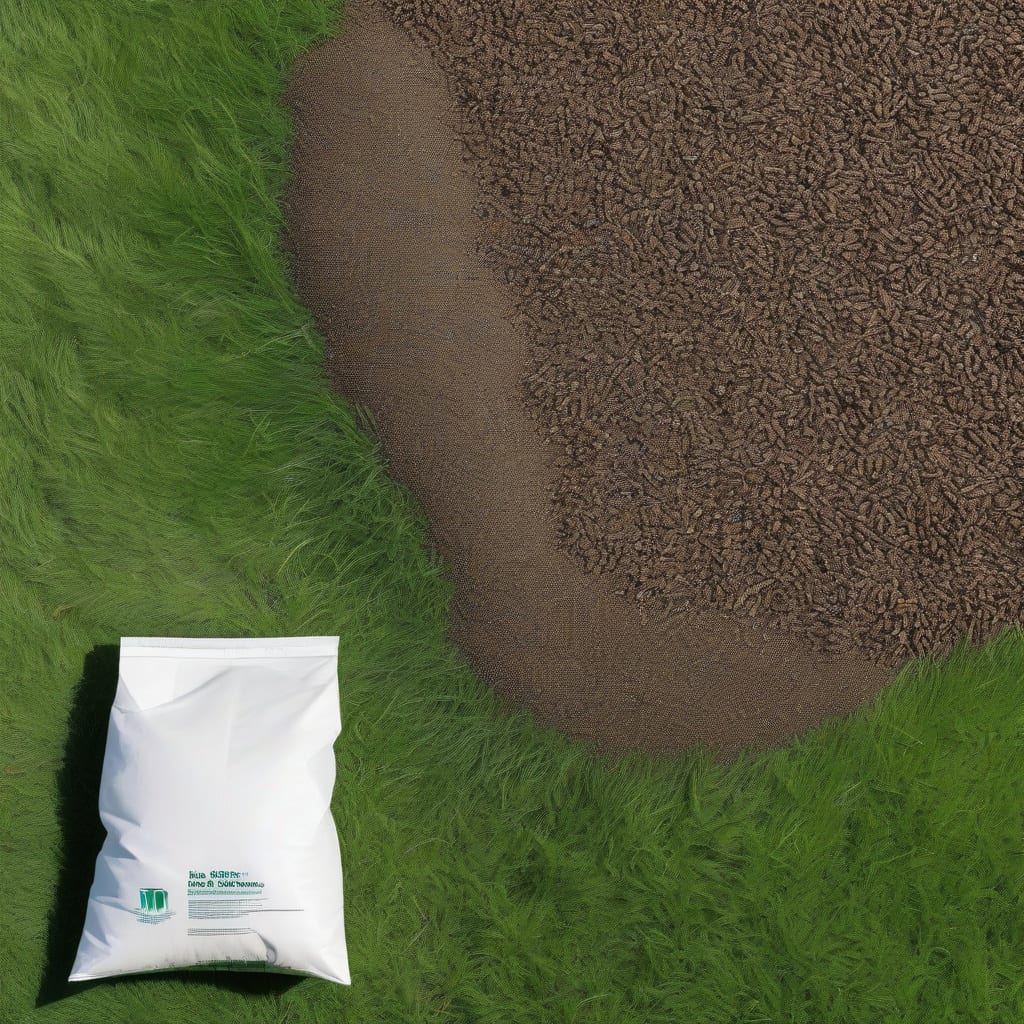
Fertilizing Rye Grass 🌿 at the right time is crucial for a healthy lawn. In USDA Zone 6, the ideal time to fertilize is during the fall season, specifically in September and October, when the grass is actively growing.
Applying fertilizer during this period helps promote root development and prepares the lawn for the next growing season. By fertilizing at the right time, you’ll be able to enjoy a lush, vibrant lawn come springtime.

Fertilizing rye grass at the right time is crucial for maintaining a healthy and vibrant lawn. The ideal fertilization schedule varies depending on the season and the specific needs of your lawn.
In USDA Zone 6, rye grass typically thrives during the cooler months, making fall and early spring the best times for fertilization. During these periods, the grass is actively growing, and the fertilizer can help promote root development and prepare the lawn for the next growing season.
The fall fertilization is particularly important as it helps rye grass recover from summer stress and prepares it for the cold winter months. Applying a balanced fertilizer during this time provides essential nutrients that promote root growth and enhance the overall health of the lawn 🌿.
In addition.
Fertilizing rye grass is a critical step in maintaining a lush, green lawn. By understanding the optimal fertilization schedule, you can ensure your lawn receives the necessary nutrients to thrive throughout the year.
The recommended fertilization frequency for rye grass is typically at planting and again in spring. However, the specific timing may vary depending on your location and the specific needs of your lawn. In USDA Zone 6, for example, it’s recommended to fertilize rye grass in September and October, when the grass is actively growing 🌿.
When fertilizing rye grass, it’s essential to use a balanced fertilizer with an NPK ratio of 10-10-10. This type of fertilizer provides the necessary nutrients for healthy growth and development. Apply the fertilizer at a rate of 1 lb/1000 sqft to avoid over-fertilizing, which can harm the grass.
The best time to fertilize rye grass is typically in the early morning, when the grass is still dew-covered. This helps the fertilizer to be absorbed more effectively and reduces the risk of burning the grass. Be sure to follow the manufacturer’s instructions for application rates and timing to ensure the best results.
By following these guidelines and understanding the optimal fertilization schedule for your rye grass, you can maintain a healthy, vibrant lawn that will thrive throughout the year 🌿.
When it comes to fertilizing rye grass, several factors come into play to ensure you’re giving your lawn the best chance to thrive. Understanding these elements will help you make informed decisions about your fertilization schedule 🌿.
One of the primary considerations is soil type. Different soils have varying levels of nutrients, and understanding your soil composition can help you choose the right fertilizer. For instance, sandy soils may require more frequent fertilization due to their poor nutrient retention, while clay soils might need less frequent applications but with a focus on nutrients that help improve soil structure.
The type of fertilizer you choose can significantly impact your rye grass. A balanced fertilizer with an NPK ratio of 10-10-10 is generally recommended for rye grass, as it provides equal parts nitrogen, phosphorus, and potassium.
Climate conditions also play a crucial role in determining the best fertilization strategy. Rye grass grows best in cooler temperatures, typically between 40°F and 75°F (4°C and 24°C). Fertilizing during the cooler seasons can help promote healthy growth.
Grass health is another critical factor. If your rye grass is struggling with disease, pests, or nutrient deficiencies, you may need to adjust your fertilization schedule accordingly. For example, if your lawn is showing signs of nitrogen deficiency, a nitrogen-rich fertilizer might be necessary to promote recovery.
Fertilizer type and application timing are equally important. As mentioned earlier, a balanced fertilizer is a good starting point. However, the timing of application can vary based on your location and the specific needs of your lawn. In general, fertilizing in the early morning or late afternoon can help reduce the risk of burning the grass.
By considering these factors and adjusting your fertilization strategy accordingly, you can help ensure your rye grass receives the nutrients it needs to thrive 🌿.
Regular soil testing can also provide valuable insights into your soil’s nutrient content and pH level, helping you make more informed decisions about fertilization.
Ultimately, a well-planned fertilization schedule, combined with proper lawn care practices, will help you achieve a lush, healthy rye grass lawn.
Fertilizing rye grass can be a straightforward process, but there are several common mistakes that can harm your lawn. By understanding these pitfalls, you can take steps to avoid them and ensure your rye grass receives the nutrients it needs to thrive 🌿.
Over-fertilization, timing errors, and product misuse can all harm your rye grass. Be sure to follow the recommended application rates and timing to avoid these mistakes.
One of the most significant mistakes is over-fertilization. Applying too much fertilizer can cause burning of the grass, leading to discoloration and damage. To avoid this, be sure to follow the manufacturer’s instructions for application rates, and consider conducting a soil test to determine your lawn’s specific nutrient needs.
Another common error is fertilizing at the wrong time. Rye grass has specific growth patterns, and fertilizing during the wrong season can be ineffective or even harmful. For example, fertilizing during the peak summer heat can cause stress to the grass, while fertilizing in the fall can help promote root growth and prepare the lawn for the next growing season.
Product misuse is also a significant concern. Using the wrong type of fertilizer or applying it incorrectly can lead to nutrient imbalances or other issues. Always read and follow the label instructions, and consider consulting with a lawn care professional if you’re unsure about the best fertilizer for your rye grass.
To avoid these mistakes, it’s essential to understand the specific needs of your rye grass. Consider factors like soil type, climate conditions, and grass health when determining your fertilization schedule. By taking a thoughtful and informed approach to fertilization, you can help ensure your rye grass receives the nutrients it needs to thrive 🌿.
Regular maintenance, including mowing, watering, and mowing height adjustment, also plays a crucial role in maintaining a healthy lawn. By combining proper fertilization with good lawn care practices, you can achieve a lush, vibrant rye grass lawn that will be the envy of your neighborhood.
By being aware of these common fertilization mistakes and taking steps to avoid them, you can help ensure your rye grass lawn remains healthy and thriving for years to come 🌱.
For most lawns, fertilizing rye grass twice a year is sufficient: once in fall (September-October) and again in early spring (March-April). This schedule supports healthy growth and recovery.
A balanced fertilizer with an NPK ratio of 10-10-10 is generally recommended for rye grass. This type provides equal parts nitrogen, phosphorus, and potassium, supporting overall lawn health.
It’s best to avoid fertilizing rye grass during peak summer heat. High temperatures can cause fertilizer burn, damaging your lawn. Instead, focus on fertilization during cooler seasons.
Apply fertilizer at a rate of 1 lb/1000 sqft. Always follow the manufacturer’s instructions for specific application rates to avoid over-fertilization, which can harm your lawn.
