
Beautiful Plants For Your Interior
Beautiful Plants For Your Interior
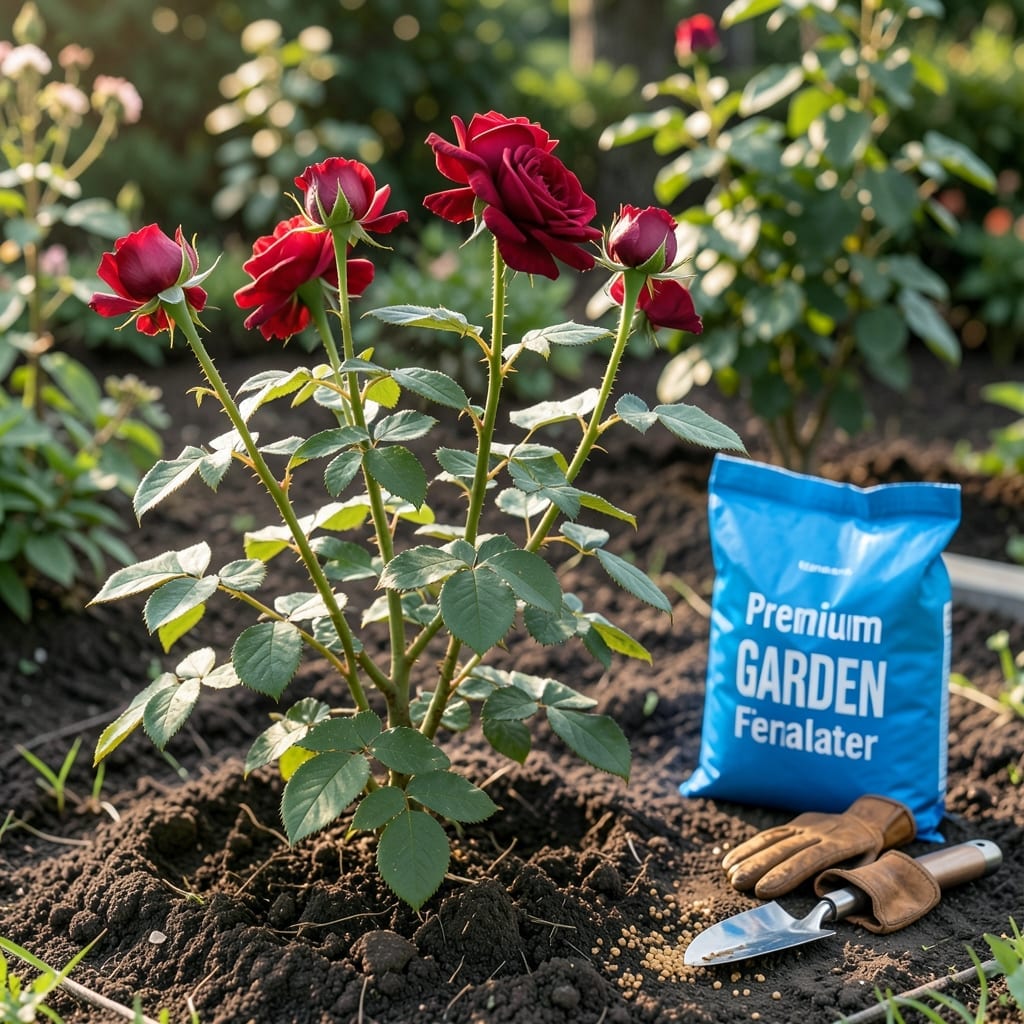
Timing your rose fertilization in Zone 8 can mean the difference between lackluster blooms and a vibrant garden. This region’s mild winters and hot summers create a unique feeding schedule for your 🌹 Rose.
I’ve learned the hard way that feeding at the wrong time can do more harm than good. The key is aligning your efforts with the plant’s natural growth cycles.
In this guide, I’ll walk you through the most effective months to fertilize, so you can enjoy lush, healthy roses all season long. No guesswork, just proven timing.
Discover how to work with Zone 8’s climate to give your roses exactly what they need, when they need it.
In USDA Zone 8, your roses enjoy a long growing season with mild winters and hot summers. This unique climate means you’ll need a strategic fertilization schedule to keep them blooming vibrantly from spring to fall.
I’ve found that timing is everything—too early and you risk frost damage, too late and you miss the peak blooming window. The key is to align your feedings with the natural growth cycles of your roses.
Starting in early spring, typically February to March, I apply the first feeding as soon as I see new growth emerging. This kickstarts the season and ensures my roses have the nutrients they need for strong stems and lush foliage.
The late spring feeding in April and May is crucial for preparing your roses for the summer bloom cycle. I use a balanced fertilizer with a 10-10-10 NPK ratio to support both growth and flowering.
During the hot summer months of June to August, I switch to a light feeding schedule. Applying fertilizer every 4-6 weeks keeps the blooms coming without overwhelming the plants in the heat.
In early fall, around September to October, I give my roses one last light feeding. This helps them store energy for the upcoming dormant season while still encouraging a few late blooms.
Once November hits, I stop fertilizing entirely. Roses in Zone 8 need this downtime to rest and prepare for the next growing season. Overfeeding in winter can lead to weak new growth that’s vulnerable to frost.
Remember, the best time of day to fertilize is in the early morning. This allows the plants to absorb nutrients before the heat of the day sets in, and it reduces the risk of fertilizer burn.
For the most effective results, I always water deeply before and after applying fertilizer. This helps distribute the nutrients evenly and prevents root damage from concentrated fertilizers.
By following this Zone 8-specific schedule, you’ll ensure your roses stay healthy, vibrant, and blooming beautifully throughout the growing season 🌹
Choosing the right fertilizer for your roses in Zone 8 can feel overwhelming. I’ve tested various types and found that balanced fertilizers work best for consistent growth.
A 10-10-10 NPK ratio is ideal, but organic options like compost or fish emulsion also deliver excellent results. Each type has its own application method and benefits.
| Fertilizer Type | Best For | Application Method |
|---|---|---|
| Balanced (10-10-10) | Overall growth | Granules: Work into soil |
| Organic Compost | Soil health | Mix into topsoil monthly |
| Liquid Feed | Quick boost | Dilute, water at base |
| Slow-Release | Long-term feeding | Sprinkle, lightly water in |
For Zone 8 roses, I recommend applying fertilizer every 4-6 weeks during the growing season. This schedule aligns with the plant’s active growth phases.
Early morning is the best time to fertilize, as it allows the nutrients to soak in before the heat of the day. Always water your roses after applying to prevent root burn.
If you’re using liquid fertilizers, dilute them to half strength to avoid overwhelming the roots. This is especially important in the hot summer months of Zone 8.
Slow-release granules are my go-to for busy gardeners. They provide a steady supply of nutrients, reducing the need for frequent applications.
Remember, over-fertilizing can lead to weak stems and fewer blooms. Stick to the recommended amounts and always follow package instructions carefully. 🌹