
Beautiful Plants For Your Interior
Beautiful Plants For Your Interior
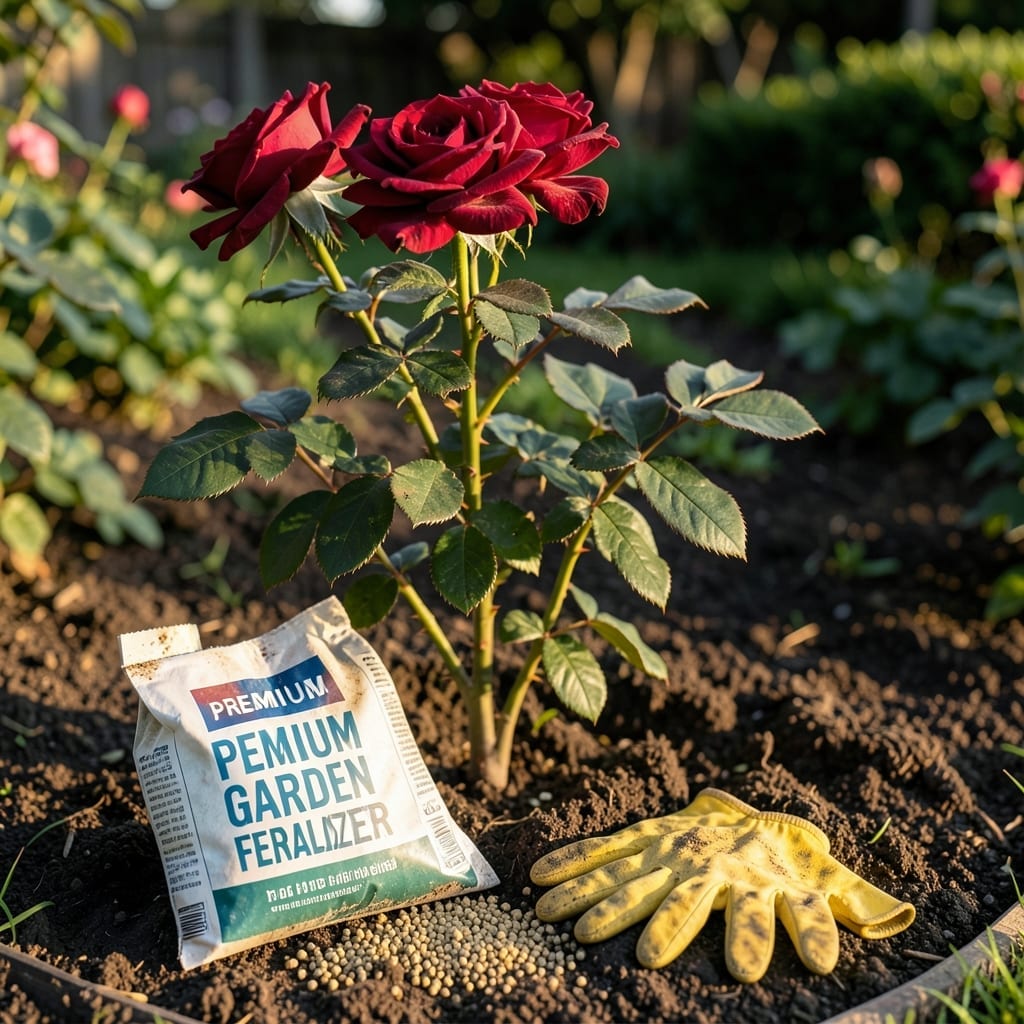
Timing your rose fertilization in California can mean the difference between lackluster blooms and a garden bursting with vibrant, healthy 🌹 roses. With the state’s diverse climate zones, knowing the exact schedule for your area is crucial for success.
I remember my first attempt at rose gardening – I fertilized at the wrong time and wondered why my plants struggled. That all changed when I discovered the zone-specific approach that works wonders in California’s unique environment.
Whether you’re in coastal San Diego or the inland valleys, there’s an optimal window that will make your roses thrive. The key is understanding your specific USDA zone and seasonal patterns.
Discover how to align your fertilization schedule with California’s growing conditions. Your roses will thank you with their most spectacular blooms yet.
California’s diverse climate zones mean timing rose fertilization isn’t one-size-fits-all. In coastal areas, mild winters allow early spring feeding as new growth appears, often February to March. ✂️
For inland valleys, where winters are cooler, wait until March or April when soil warms. Desert regions need late winter fertilization to avoid heat stress during bloom. 🌡️
| Climate Zone | Best Fertilization Time | Frequency |
|---|---|---|
| Coastal | Feb – March | Every 4-6 weeks |
| Inland Valleys | March – April | Every 4-6 weeks |
| Desert | Jan – Feb | Every 6 weeks |
| Mountainous | April – May | Every 6-8 weeks |
In mountainous areas, delayed springs mean fertilizing in April or May when frost danger passes. Always stop fertilizing by late summer to prepare roses for dormancy. 🌿
Coastal gardeners can extend their fertilization season into early fall due to mild temperatures. Use a balanced fertilizer like 10-10-10 for general health or 5-10-10 to boost blooms. 🌹
For inland zones, I recommend organic options like compost or fish emulsion. These improve soil structure and provide slow-release nutrients perfect for California’s dry summers. 💧
Desert roses need careful timing. Fertilize early in the day to avoid heat stress and use shade cloth if temperatures exceed 90°F. Always water deeply after applying fertilizer. ☀️
In mountain regions, use granular fertilizers that release slowly. This helps prevent nutrient burn in cooler, moist soils. Test your soil pH first—roses prefer 6.0 to 6.5. 🌱
Remember, over-fertilizing can damage your roses. Stick to the recommended schedule and watch for yellowing leaves or weak stems, which may signal nutrient imbalance. ✂️
For all zones, late fall fertilization is a no-no. Roses need time to harden off before winter. Instead, focus on mulching and pruning to protect your plants. 🌳
Choosing the right fertilizer for your California roses can transform your garden. I’ve found organic options like compost and fish emulsion work wonders in most zones. These improve soil health while feeding your plants naturally. 🌹
For quick results, synthetic fertilizers like 10-10-10 or 5-10-10 provide immediate nutrients. These are ideal for coastal areas where roses bloom year-round. Always water deeply after application to prevent burn. 💧
In desert regions, I recommend granular fertilizers applied early morning. This prevents heat stress and allows nutrients to soak in before peak sun. Use shade cloth for young plants during summer months. ☀️
For mountain areas, liquid fertilizers work best in cooler soils. Apply every 6-8 weeks during growing season. Test your soil pH first—roses thrive at 6.0 to 6.5. 🌡️
Application timing matters as much as the product. Always fertilize when soil is moist and temperatures are mild. Early morning is ideal in most California zones. Avoid fertilizing during drought or extreme heat. ✂️