
Beautiful Plants For Your Interior
Beautiful Plants For Your Interior
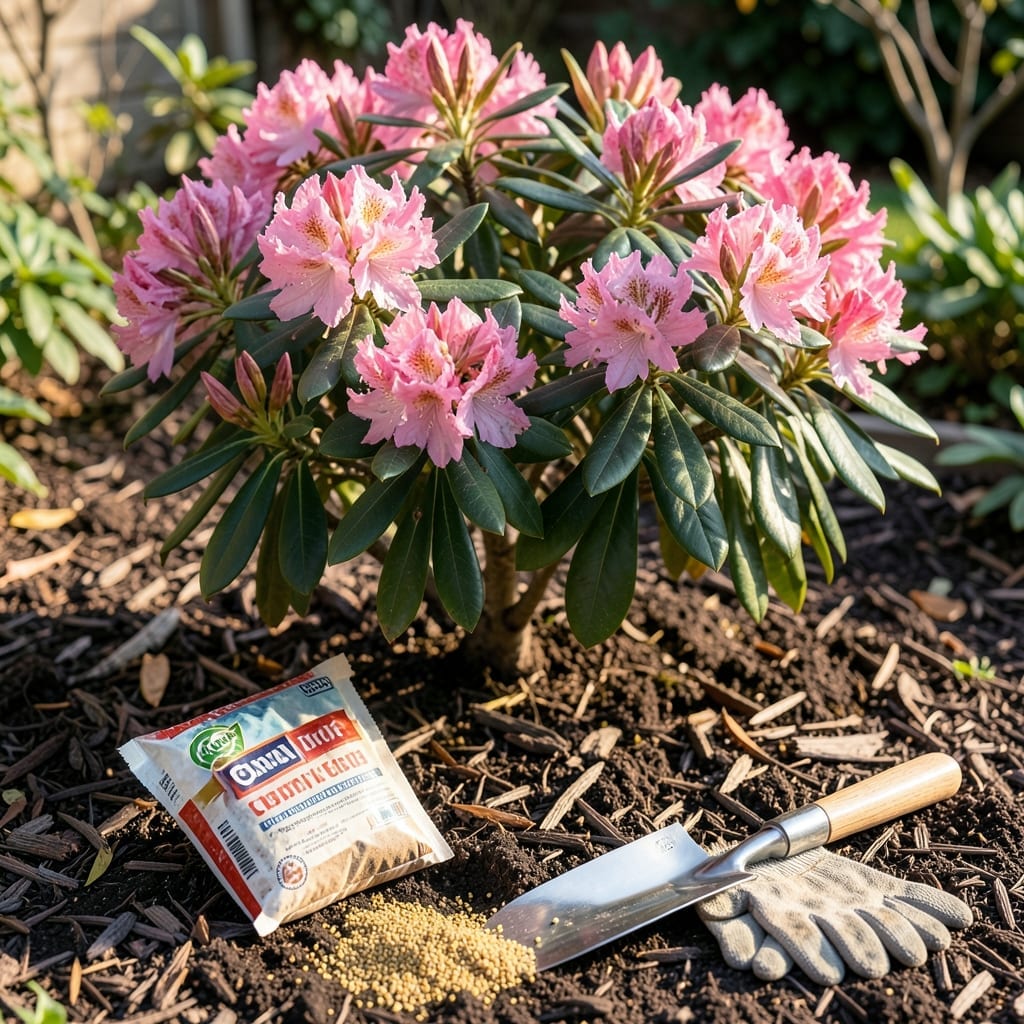
Timing your rhododendron fertilization perfectly can mean the difference between lackluster foliage and explosive, vibrant 🌸 Rhododendron blooms. These acid-loving shrubs have specific nutritional needs that change with the seasons.
I’ve learned that feeding them at the right time transforms their growth. Whether you’re a beginner or seasoned gardener, understanding this schedule will help you achieve stunning results.
Discover the seasonal secrets that will make your garden the talk of the neighborhood. Let me walk you through the most effective approach.
Getting the timing right for fertilizing rhododendrons is crucial for those stunning vibrant blooms. These shrubs thrive on a seasonal schedule that matches their growth cycles. I always mark my calendar for early spring as the first feeding time.
As a gardener, I’ve found that understanding the natural rhythm of rhodies helps maximize their potential. The key is to feed them when they’re actively growing but not when they’re stressed by heat or cold.
| Season | Action | Key Notes |
|---|---|---|
| Early Spring | Feed | As new growth begins |
| Late Spring | Light Feed | After blooms fade |
| Summer | Light Feed | Avoid heat stress |
| Fall | Skip | Prevent winter damage |
| Winter | Skip | Plant is dormant |
In early spring, I apply a balanced acid-loving plant fertilizer just as the new growth starts to emerge. This gives the plant a nutrient boost when it needs it most for developing those beautiful flower buds.
The post-bloom period in late spring is another critical time. After the flowers fade, I give my rhodies a lighter feeding to support foliage growth and next year’s bud formation.
During summer months, I only fertilize lightly if at all. The heat can stress the plants, and too much fertilizer might burn the roots. I always water deeply before and after applying any fertilizer.
I completely skip fertilization in fall and winter. Feeding too late in the season can promote tender new growth that might not harden off before cold weather arrives, making the plant more vulnerable to winter damage.
For best results, I use about 1 tbsp of fertilizer per foot of plant height. This measurement helps ensure I’m not overfeeding, which can be just as harmful as underfeeding for these sensitive shrubs.
Remember that rhododendrons prefer acidic soil. I always check my soil pH before fertilizing and adjust if needed. The ideal range is between 4.5 and 5.5 for these acid-loving plants.
Consistency is key with rhododendron care. I’ve found that sticking to this seasonal schedule, combined with proper watering and mulching, keeps my rhodies healthy and blooming beautifully year after year. 🌿
Learning to read your rhododendron’s signals is half the battle in proper care. I watch for yellowing leaves or stunted growth as classic signs my rhodies might need a nutrient boost.
Another red flag is reduced flowering or smaller blooms. When my plants aren’t producing their usual spectacular display, I know it’s time to assess their feeding schedule and soil conditions. 🌿
⚠️ Warning: Never fertilize dry or stressed rhododendrons. Always water deeply before and after applying fertilizer to prevent root burn and nutrient imbalance.
I’ve made the mistake of over-fertilizing in the past, which can be worse than underfeeding. Too much fertilizer leads to salt buildup in the soil, causing root damage and poor water absorption.
Avoid using alkaline fertilizers like lime, which can raise soil pH and make nutrients unavailable to these acid-loving plants. I always check the label for formulations specifically designed for acid-loving plants.
Timing mistakes are another pitfall. I learned the hard way that late fall fertilization can stimulate tender new growth that won’t harden off before winter, making plants more susceptible to cold damage.
Remember that yellow leaves can also indicate overwatering or poor drainage. I always investigate multiple factors before reaching for the fertilizer. A simple soil test can reveal whether the issue is truly nutritional. 🌱