
Beautiful Plants For Your Interior
Beautiful Plants For Your Interior
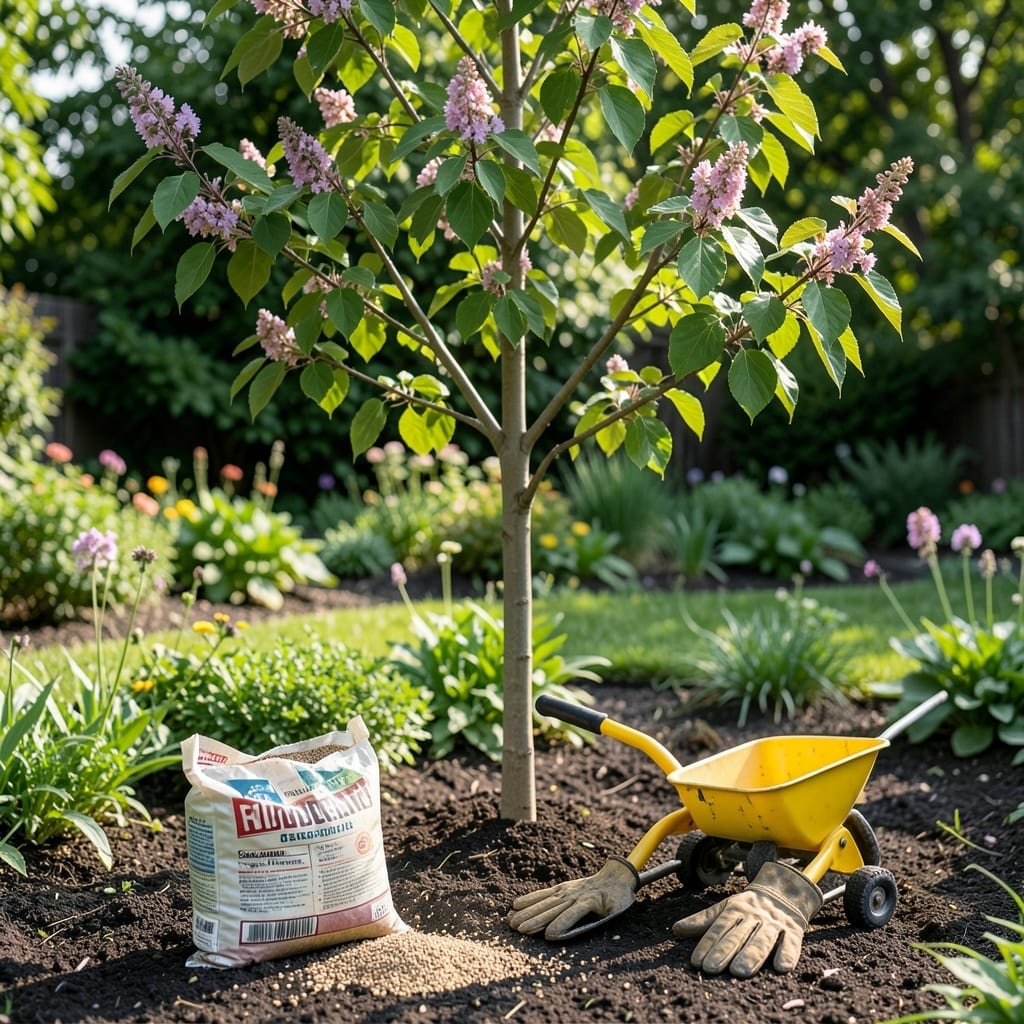
Timing is everything when it comes to fertilizing the 🌳 Redbud Tree—do it right, and you’ll be rewarded with vibrant blooms and healthy growth.
Get it wrong, and you risk stunting their development or even causing harm. This delicate balance is what separates thriving trees from struggling ones.
I’ve learned through experience that late winter and early spring are the sweet spots for giving your Redbud Tree the nutrients it craves.
Let me show you exactly when and how to fertilize for optimal growth and those stunning seasonal displays we all love.
I’ve found that late winter is the first ideal window to fertilize your redbud trees. This is just before new growth starts, giving the tree a nutrient boost as it wakes from dormancy.
The soil should be workable but not frozen, typically when temperatures consistently stay above 40°F. Warmer climates may start earlier, while colder zones should wait until late February or March.
Early spring is another prime time, right after the first flush of pink blooms appears. This helps sustain the tree through its most active growth period.
I recommend using a balanced fertilizer, like a 10-10-10 formula, to support overall health. Always water deeply after application to help nutrients reach the root zone effectively.
For established trees, 1 pound of fertilizer per inch of trunk diameter is a good rule of thumb. Young trees need less, as their root systems are still developing.
Avoid fertilizing during summer’s peak heat, as this can stress the tree. The roots are less active, and excess nutrients may go to waste or even burn the roots.
In fall, a light feeding can help the tree store nutrients for winter. But don’t overdo it—too much nitrogen late in the season can promote tender growth that’s vulnerable to frost.
Always check your soil pH first. Redbuds prefer slightly acidic to neutral soil (pH 6.0-7.0). If your soil is too alkaline, nutrients may not be as available to the tree.
Finally, observe your tree. If it’s showing stunted growth or pale leaves, it might need a nutrient boost outside the typical windows. But don’t fertilize a stressed tree during drought or extreme temperatures.
With the right timing and care, your redbud will reward you with vibrant blooms and lush foliage year after year 🌳
Fertilizing your redbud tree properly is just as important as timing. I always recommend using a balanced 10-10-10 fertilizer to provide equal parts nitrogen, phosphorus, and potassium for healthy growth.
Before applying, test your soil pH—redbuds thrive in slightly acidic to neutral soil (pH 6.0-7.0). This simple step can prevent over-fertilization and root damage.
Remember, less is more with fertilizing. Overdoing it can cause root burn or excessive leafy growth at the expense of those beautiful spring blooms.
I’ve seen many gardeners make the mistake of fertilizing in summer. The heat stress combined with fertilizer can shock your tree. Stick to cool mornings in spring for best results.
For young trees, reduce the amount by half until they’re well established. Their root systems are still developing and can’t handle full-strength fertilizer.
Finally, always water before fertilizing to prevent root burn. This simple step ensures the nutrients are properly absorbed rather than concentrated around the roots.
🌳