
Beautiful Plants For Your Interior
Beautiful Plants For Your Interior
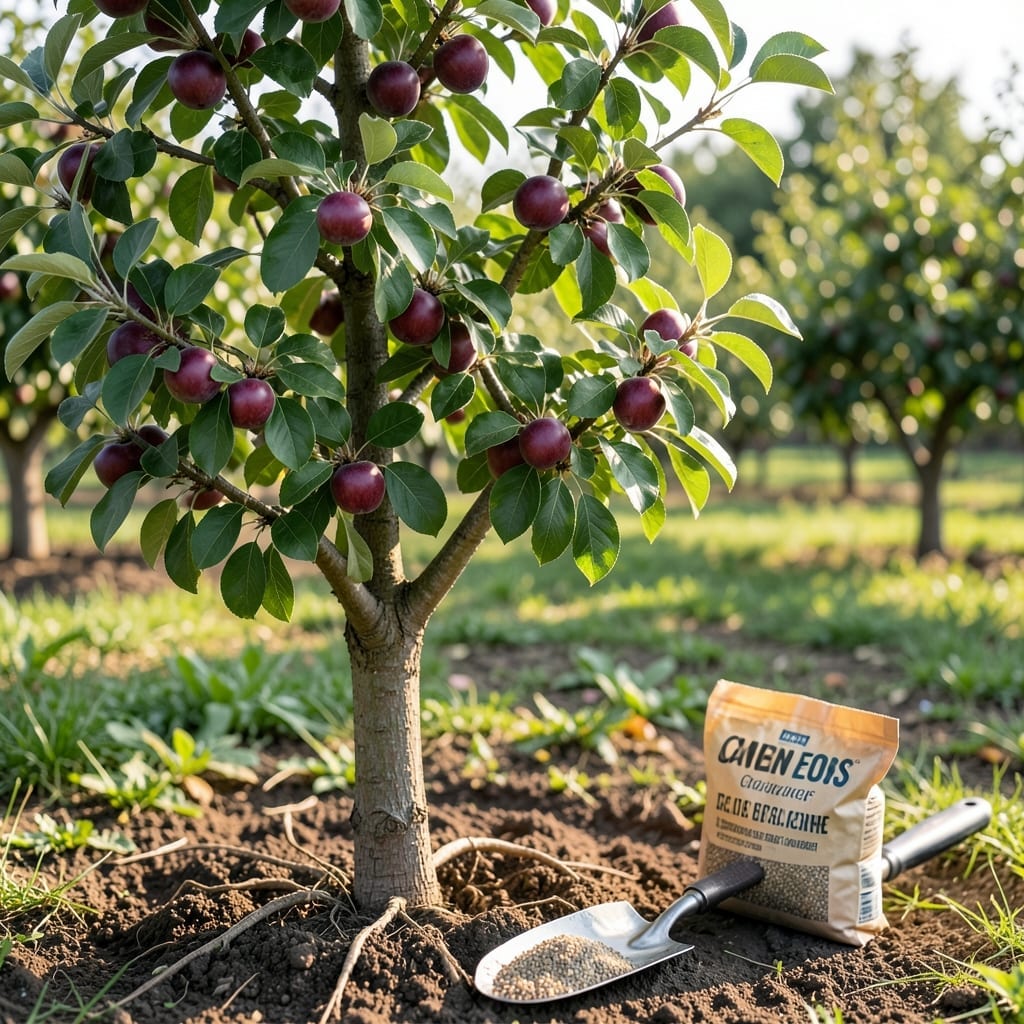
Timing your 🌳 Plum Tree fertilization correctly in California can mean the difference between a lackluster harvest and a bumper crop of juicy, sweet fruit. With the state’s unique climate zones, knowing the precise months to fertilize is the key to maximizing growth.
I’ve seen firsthand how proper timing transforms tree health and fruit production. Whether you’re in coastal Foggy Bottom or the sunny Central Valley, getting this right matters. The right approach can make your Plum Trees thrive.
What I’m about to share comes from years of testing different schedules. You’ll learn how to align fertilization with your tree’s natural cycles. This simple adjustment can boost both quantity and quality of your harvest.
Let’s dive into the best practices that will help your Plum Trees flourish in California’s diverse conditions. The results might just surprise you.
Getting the timing right for fertilizing 🌳 plum trees in California can make a huge difference. The state’s varied climate means what works in coastal areas might not suit the Central Valley or desert regions.
I’ve found that aligning fertilization with the tree’s growth cycle and local weather patterns yields the best results. Early spring and late fall are generally ideal, but there are nuances.
| Season | Action | Purpose |
|---|---|---|
| Early Spring (Feb-Mar) | FEED | Boosts new growth and blossoms |
| Late Spring (Apr-May) | Light Feed | Supports fruit development |
| Summer (Jun-Aug) | Light Feed | Maintains tree health during heat |
| Fall (Sep-Oct) | FEED | Prepares tree for dormancy |
| Winter (Nov-Jan) | Skip | Tree is dormant |
In early spring, just as buds begin to swell, I apply a balanced fertilizer like 10-10-10. This gives the tree a nutrient boost right when it needs it most for leaf and flower production.
For summer months, especially in hot inland areas, I switch to a lighter feeding schedule. Over-fertilizing during this period can stress the tree. A slow-release fertilizer works well to avoid burning roots.
In fall, after harvest, I fertilize again to help the tree store nutrients for winter. This is crucial for root development and next year’s growth. I avoid late fall applications, as they can encourage new growth that won’t harden off before frost.
California’s mild winters mean you might be tempted to fertilize year-round, but I’ve learned that dormant trees don’t need it. Skipping winter fertilization prevents wasted nutrients and potential root damage.
For coastal areas with cooler summers, you can extend the feeding window slightly. But in desert regions, reduce frequency due to intense heat and potential water stress.
Always water deeply after fertilizing to help nutrients reach the root zone. I’ve seen trees respond poorly when fertilizer sits on the surface, especially in dry soil conditions.
Remember, these are general guidelines. I recommend testing your soil every few years to check for deficiencies. A pH between 6.0 and 7.0 is ideal for plum trees in California. ☀️
Choosing the right fertilizer type for your 🌳 plum trees in California depends on your region. I prefer organic options like compost or aged manure for their slow-release benefits and soil improvement.
In coastal areas with cooler temps, a balanced 10-10-10 works well. For inland valleys, I often use a higher nitrogen formula to support vigorous growth during the longer growing season.
For desert regions, I recommend slow-release fertilizers to prevent nutrient burnout. These work well with the infrequent watering schedule these areas require and help avoid stressing the tree.
In organic gardening, I’ve had great success with fish emulsion and kelp meal. These provide micronutrients that synthetic fertilizers often lack, improving overall tree health and fruit quality. 🌱
Remember that application method matters too. I always spread fertilizer evenly around the drip line, never against the trunk. This encourages root growth outward where feeder roots are most active.
Finally, I adjust my approach based on tree age. Young trees need lighter applications more frequently, while mature trees benefit from heavier feedings 2-3 times per growing season. This tailored approach ensures optimal growth at every stage. ✂️