
Beautiful Plants For Your Interior
Beautiful Plants For Your Interior
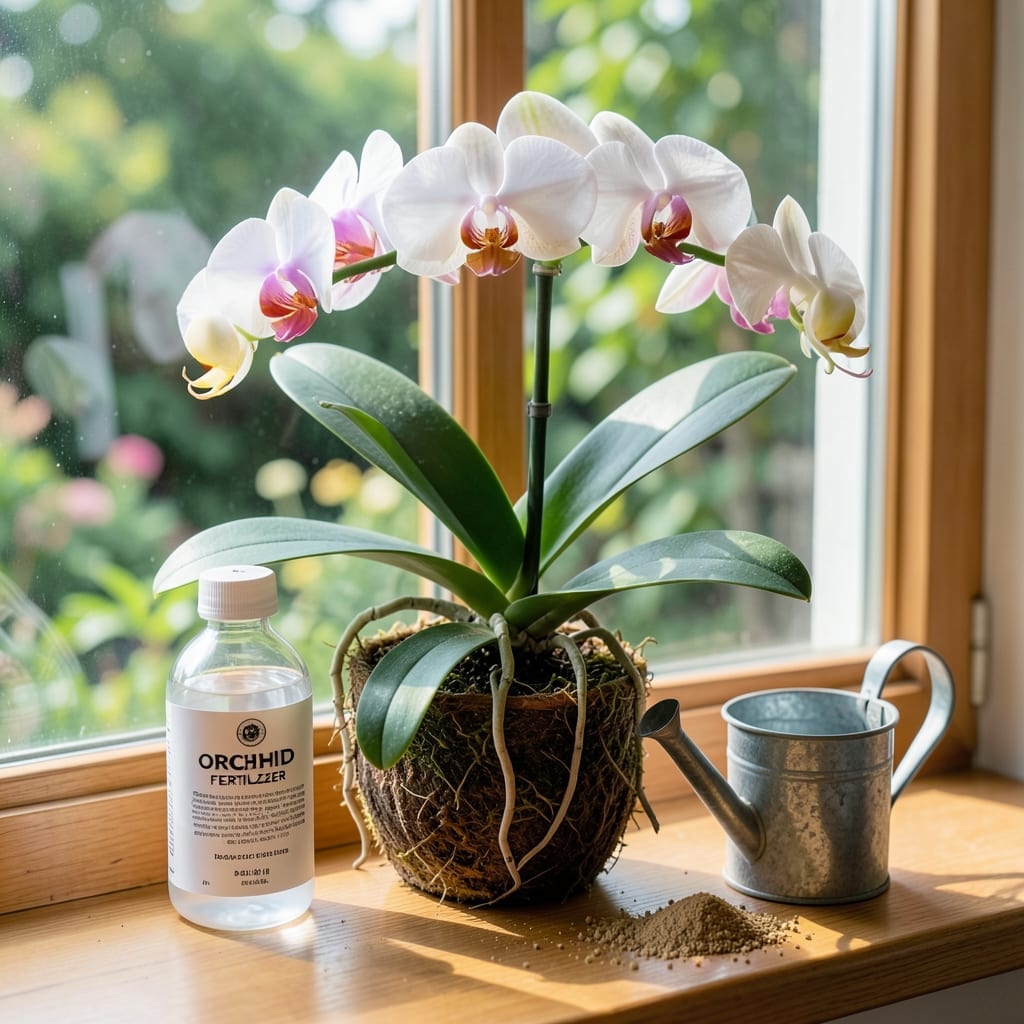
Timing your fertilizer application is the key to unlocking vibrant, long-lasting blooms in your 🌸 Phalaenopsis Orchid. Many growers unknowingly sabotage their plants by fertilizing at the wrong times.
I’ve seen firsthand how proper timing transforms these elegant plants from struggling to thriving. Whether you’re a seasoned grower or just starting out, nailing this schedule makes all the difference.
What you’ll discover here will help you avoid common mistakes and keep your orchids flourishing year-round. No more guessing when to feed—just clear, actionable advice.
Let’s dive into the most important details so your Phalaenopsis Orchid can reach its full potential. The results will speak for themselves.
Getting the timing right for fertilizing your Phalaenopsis orchids can feel overwhelming at first. I remember when I first started, I was never sure if I was feeding too much or too little. But once I aligned my schedule with the plant’s natural cycles, the results were incredible.
The key is understanding that these orchids have distinct growth phases throughout the year. Each season demands a slightly different approach to fertilization to support healthy leaves, strong roots, and those gorgeous blooms we all love.
| Season | Fertilizing Action | Frequency | Strength |
|---|---|---|---|
| Spring | FEED | Every 2 weeks | 1/4 strength |
| Summer | FEED | Every 2 weeks | 1/4 strength |
| Fall | Light Feed | Every 3-4 weeks | 1/8 strength |
| Winter | Light Feed | Every 4-6 weeks | 1/8 strength |
In spring and summer, your Phalaenopsis is in its active growth phase. This is when you should be most consistent with feeding. I use a balanced 20-20-20 fertilizer diluted to quarter strength every two weeks. This supports the rapid development of new leaves and roots.
The frequency is just as important as the strength. Too much fertilizer can lead to salt buildup in the growing medium, which can damage the roots. Always
As we move into fall, the plant’s growth starts to slow down. This is when I switch to a lighter feeding schedule. Reducing the frequency to every 3-4 weeks and the strength to one-eighth helps prevent over-fertilization during this transitional period.
Winter is a time of rest for many orchids, but Phalaenopsis can still produce stunning blooms. I continue with a very light feeding schedule, about every 4-6 weeks at one-eighth strength. This keeps the plant nourished without overwhelming it.
One thing I’ve learned is that timing matters just as much as the fertilizer itself. Always fertilize after watering your orchid. This ensures the roots are hydrated and less likely to be burned by the fertilizer salts.
Also, pay attention to the type of water you use. If your tap water is hard, consider using rainwater or distilled water to avoid mineral buildup, which can interfere with nutrient absorption.
By following this seasonal schedule, you’ll provide your Phalaenopsis orchids with the right nutrients at the right times, leading to healthier plants and more abundant blooms. It’s a simple strategy, but it works wonders 🌸
Your Phalaenopsis orchid will often tell you when it’s hungry. Look for yellowing leaves or slow growth—classic signs it needs a nutrient boost. But don’t rush to feed it just yet.
I’ve learned that weak flower spikes or smaller blooms also signal it’s time to fertilize. These cues mean your plant isn’t getting the nitrogen or phosphorus it craves during active growth. 🌸
Over-fertilizing is just as harmful as under-fertilizing. If you notice salt buildup on the potting mix or blackened roots, it’s a red flag. Flush the mix with distilled water immediately.
Timing matters most during active growth in spring and summer. This is when your orchid is building new leaves and flower spikes. Feed every 2 weeks with a balanced fertilizer at half strength. 🌿
In fall and winter, reduce feeding to once a month or stop entirely. Your orchid is resting, and excess nutrients can stress it. Watch for new growth to resume feeding.
Remember, less is more with orchids. These plants thrive on consistency and moderation. Stick to the schedule, and your Phalaenopsis will reward you with stunning blooms. ✂️