
Beautiful Plants For Your Interior
Beautiful Plants For Your Interior
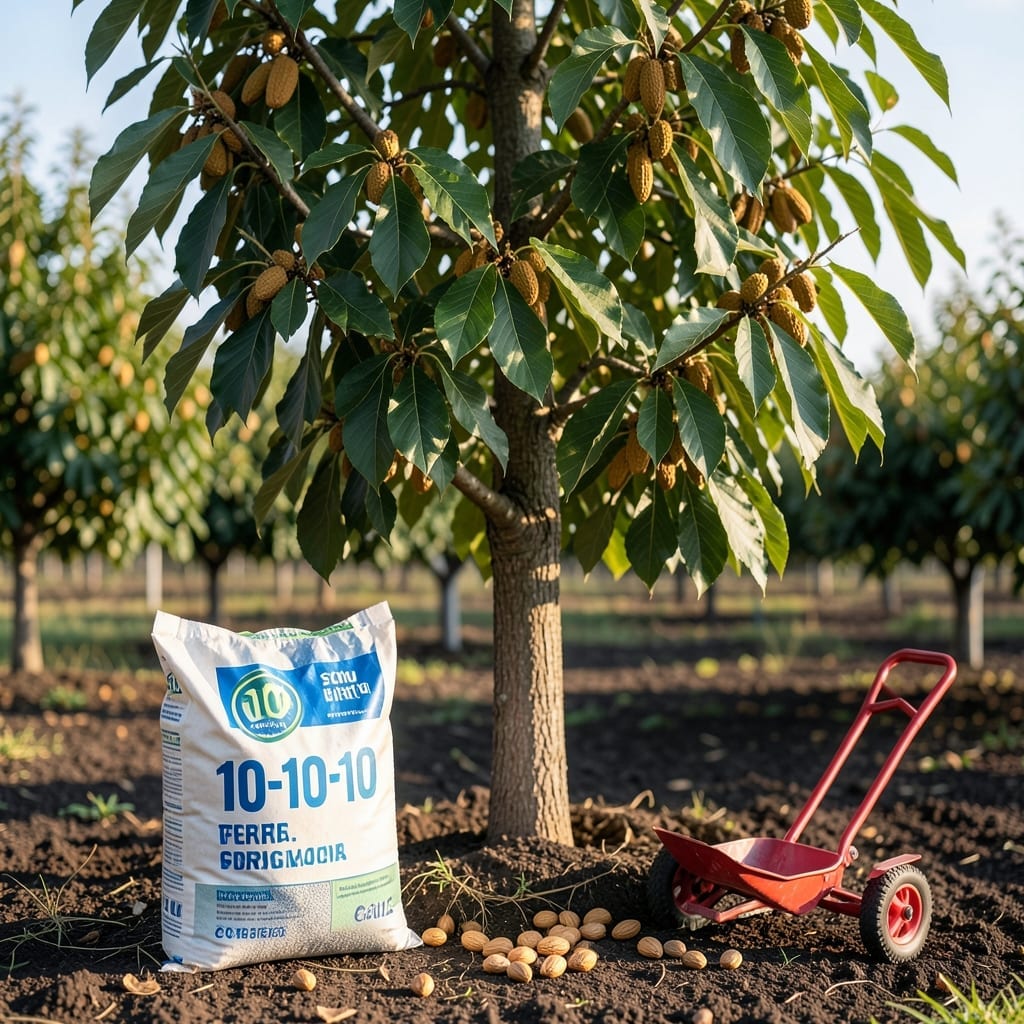
Timing your pecan tree fertilization correctly in NC can mean the difference between a bumper crop and a disappointing harvest. With our state’s unique climate in zones 7b-8a, knowing when to apply nutrients is crucial for your 🌳 Pecan Tree’s health.
I’ve seen too many growers miss the optimal window and wonder why their trees underperform. The truth is, North Carolina’s seasons demand a specific approach that many overlook.
Whether you’re in the Piedmont or Coastal Plains, understanding the best months to fertilize will transform your results. It’s not just about what you feed your trees, but precisely when you do it.
Let me walk you through the seasonal schedule that’s worked for NC growers, including the most important times to apply fertilizer for maximum nut production.
North Carolina’s zones 7b-8a create unique fertilization needs for pecan trees. The optimal timing depends on your region, whether Piedmont or Coastal Plains, and your soil’s current nutrient levels.
I always recommend starting with a soil test from your local Cooperative Extension. This tells you exactly what your pecan trees need, preventing over-application of unnecessary nutrients.
The Piedmont region often has more clay soil, which may require additional zinc applications. I’ve found that zinc sulfate works best when applied as a foliar spray in early spring.
For Coastal Plains growers, the sandy soil drains faster. This means you might need to fertilize more frequently but with lighter applications to prevent nutrient leaching.
Remember that mature pecan trees (10+ years) can need up to 25 lbs of fertilizer per application. Always measure your trunk diameter – the general rule is 1 lb per inch of diameter.
Early morning is the best time to apply fertilizer. This allows the nutrients to soak into the soil before the heat of the day. I also recommend watering deeply after application to help distribute the nutrients.
Don’t forget about soil pH. Pecan trees prefer a slightly acidic soil between 6.0-6.5. If your soil is too alkaline, you may need to apply sulfur to lower the pH before fertilizing.
In my experience, the most critical fertilization periods are early spring and fall. These applications give your trees the biggest boost in nut production and overall health.
Always monitor your trees for signs of nutrient deficiency. Yellowing leaves often indicate nitrogen deficiency, while small leaves with green veins suggest zinc deficiency 🌳
Knowing when your pecan trees are hungry for nutrients can save your harvest. In North Carolina, I watch for yellowing leaves which often signal a nitrogen deficiency, especially in the Piedmont’s clay soils.
Another red flag is stunted growth or small leaves with green veins – this typically means your tree needs zinc. Coastal Plains growers often see this more due to sandy soil’s faster drainage.
✅ DO vs DON’T for Pecan Fertilization
DO:
DON’T:
I’ve seen many NC growers make the mistake of fertilizing during summer heat. This can stress your trees when they need energy for nut development, not leaf growth.
Another common error is skipping soil tests. Without knowing your soil’s current nutrients, you risk over-fertilizing which can harm your trees and waste money.
Remember that poor nut set often indicates a phosphorus deficiency. If your trees are producing lots of leaves but few pecans, it might be time to adjust your fertilizer’s NPK ratio.
For young pecan trees, focus on balanced fertilizers. As they mature, you can shift to higher nitrogen formulations. I always recommend marking your calendar for February and October as key fertilization months.
Lastly, watch for leaf scorch which can indicate potassium deficiency. This is particularly common in the sandy soils of eastern NC 🌳