
Beautiful Plants For Your Interior
Beautiful Plants For Your Interior
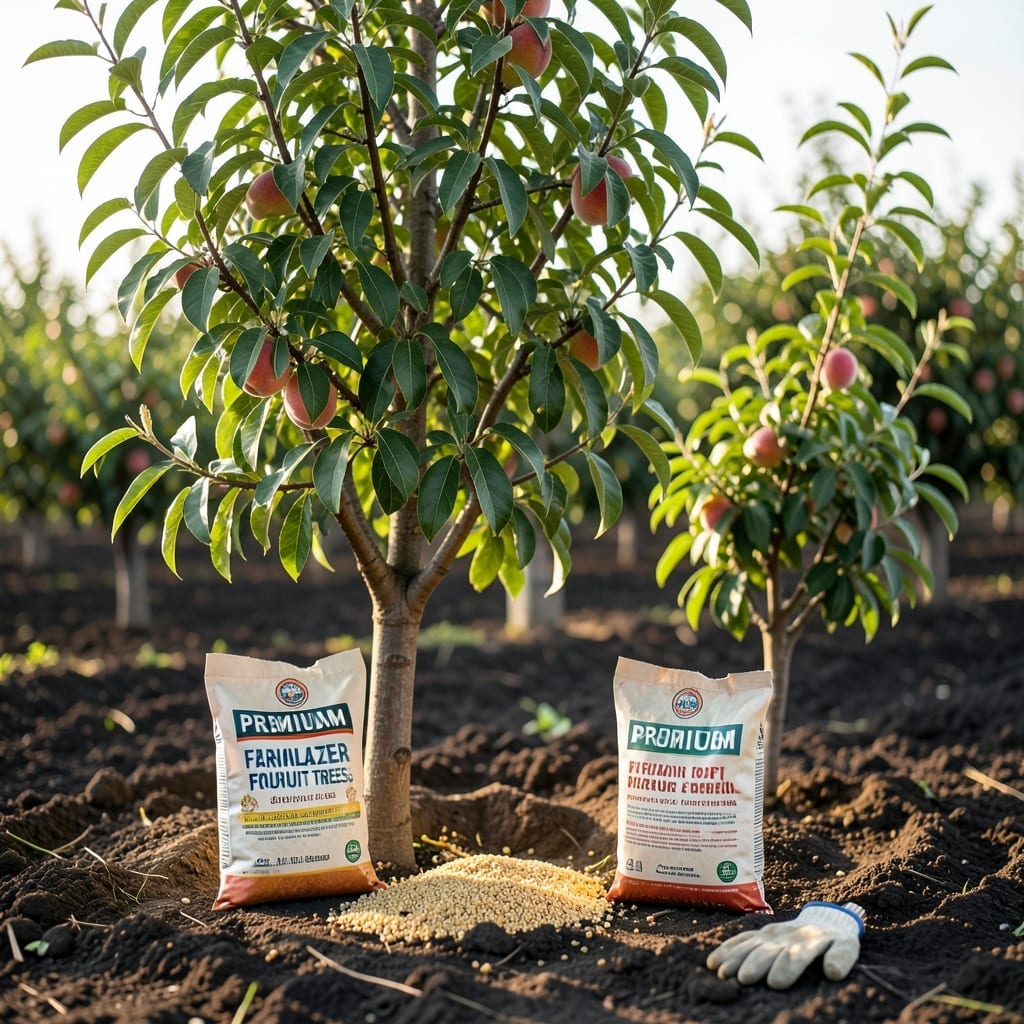
Timing your Peach Tree fertilization correctly in Georgia’s unique climate can mean the difference between a mediocre harvest and a bumper crop of juicy, sweet fruit. With the state spanning multiple USDA hardiness zones, knowing the precise schedule for your region ensures optimal growth and yield.
I’ve seen firsthand how proper timing transforms struggling trees into thriving ones. In zones 7b-8a, the window for fertilization is narrow but critical, aligning with the tree’s natural growth cycles.
What many don’t realize is that over- or under-fertilizing can stunt production just as much as neglect. The key lies in syncing your efforts with Georgia’s seasonal rhythms and soil conditions.
Let me walk you through the exact schedule and techniques that will have your 🍑 Peach Tree flourishing like never before.
In Georgia’s zones 7-8, timing your peach tree fertilization is critical for optimal fruit production. The state’s mild winters and hot summers create unique nutrient demands that vary by season. I’ll break down the exact schedule to follow.
Peach trees in Georgia thrive with a seasonal approach, focusing on early spring and late spring feedings. This aligns with their growth cycles and avoids stress during dormant periods or extreme heat.
| Season | Timing | Fertilizer Focus | Key Notes |
|---|---|---|---|
| Early Spring | 4-6 weeks before bloom | Balanced 10-10-10 | Boosts bud break |
| Late Spring | After petal fall | Low-nitrogen mix | Supports fruit set |
| Summer | 6-8 weeks after spring feed | Light application | Avoid high heat stress |
| Fall | After harvest | None | Prevents winter damage |
I always recommend soil testing before fertilizing, especially in Georgia’s clay-heavy soils. This helps you adjust NPK ratios based on existing nutrient levels and pH.
For young peach trees (1-3 years), use 1 lb of fertilizer per year of age, split into two applications. Mature trees (4+ years) can handle up to 10 lbs annually, but always err on the side of caution.
Early spring fertilization is non-negotiable in Georgia. Aim for 4-6 weeks before bloom, typically February to early March, to fuel new growth and flower production. This is when trees need nitrogen most.
After petal fall (usually late March to April), switch to a low-nitrogen fertilizer. This shift supports fruit development without promoting excessive vegetative growth, which can divert energy from your peaches.
During summer months, a light feeding in June or July can help sustain growth, but avoid heavy applications. Georgia’s heat and humidity can stress trees, and over-fertilizing may worsen drought susceptibility.
Never fertilize in late fall or winter. This can stimulate new growth that won’t harden off before Georgia’s first frost (typically November 15), leaving your tree vulnerable to cold damage.
Finally, always water deeply after fertilizing to help nutrients reach the root zone. In Georgia’s sandy loam areas, this is especially important to prevent nutrient runoff. ☀️
Choosing the right fertilizer for your Georgia peach trees can make or break your harvest. The state’s clay soils and humid climate demand specific NPK ratios to balance growth and fruiting.
I’ve tested various formulations and found that balanced fertilizers work best in early spring, while low-nitrogen options excel post-bloom. Organic and synthetic each have their place in Georgia orchards.
| Type | NPK Ratio | Best Time | Application Rate |
|---|---|---|---|
| Balanced Synthetic | 10-10-10 | Early Spring | 1 lb/year of age |
| Low-Nitrogen | 5-10-10 | After Petal Fall | 0.5 lb/year of age |
| Organic Compost | Varies | Spring/Fall | 2-3 inches around base |
| Liquid Feed | 8-8-8 | Summer | Follow label rates |
For young peach trees in Georgia, I recommend starting with 1 lb of 10-10-10 in February. This provides balanced nutrition for root and shoot development before bud break.
After petal fall, switch to a 5-10-10 formula at 0.5 lb per year of age. This lower nitrogen content supports fruit production without excessive leafy growth.
Mature trees (5+ years) can handle up to 10 lbs annually, but split applications work best. Apply half in early spring and half after harvest to avoid nutrient overload.
In Georgia’s sandy areas, organic options like compost or manure help improve soil structure while providing slow-release nutrients. These are ideal for sustainable orchards and long-term soil health.
Always water thoroughly after applying granular fertilizers to prevent root burn and ensure nutrient absorption. In Georgia’s heat, this step is crucial for preventing fertilizer stress. 🌳