
Beautiful Plants For Your Interior
Beautiful Plants For Your Interior
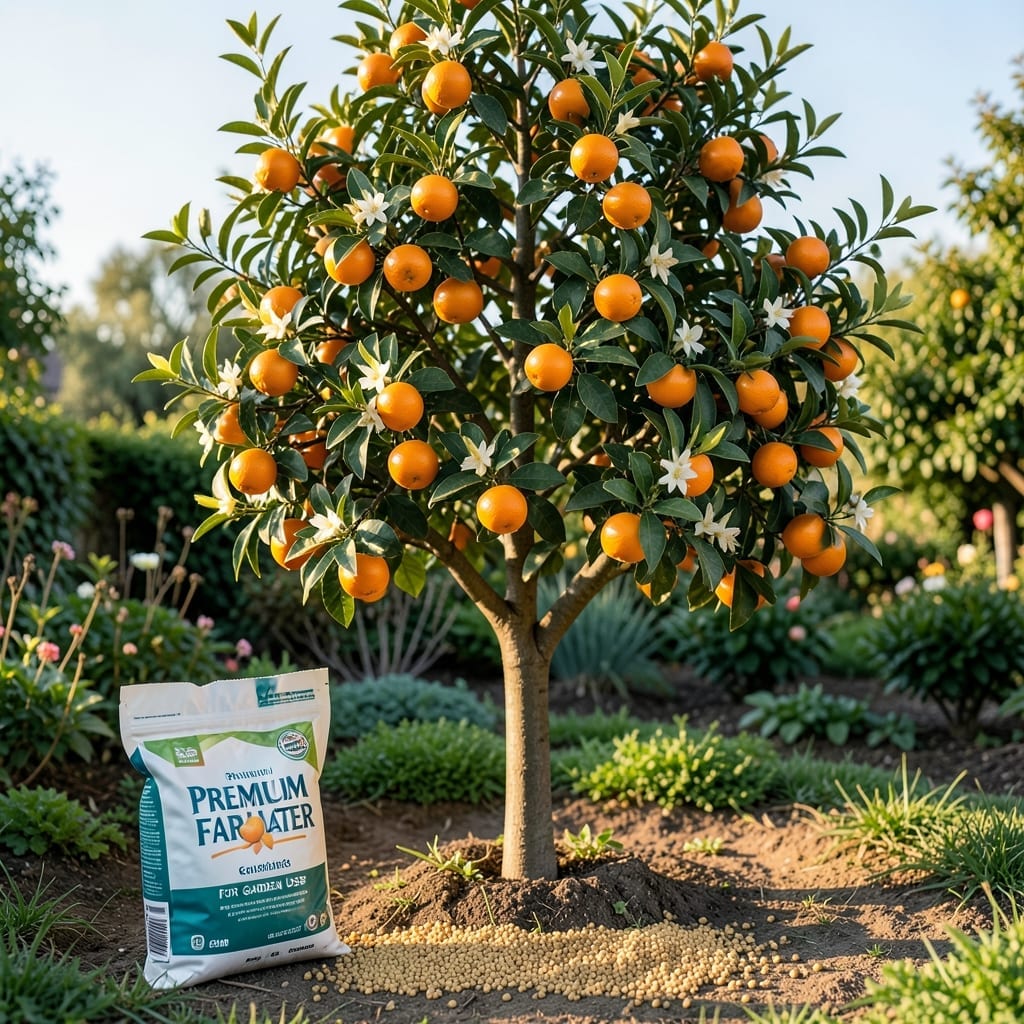
Timing your fertilizer application can transform your 🍊 Orange Tree from mediocre to magnificent. In California’s unique climate, getting this right separates thriving groves from struggling ones.
From coastal fog to Central Valley heat, our state’s diverse conditions demand precise timing. I’ll show you how to navigate these variations for optimal results.
Whether you’re in San Diego or Sacramento, understanding these seasonal rhythms is the key. Your trees will thank you with juicier, more abundant fruit.
Let’s explore the best windows to nourish your Orange Tree, ensuring it flourishes in our Golden State’s distinctive growing conditions.
California’s diverse climate means your orange tree fertilization schedule must adapt. Coastal areas with mild winters and foggy summers have different needs than the hot, dry Central Valley.
I’ve found that timing is everything—apply too early or too late, and you risk stunted growth or wasted nutrients. The Golden State’s unique microclimates demand precision.
| Season | Action | Key Focus |
|---|---|---|
| Spring (March-May) | FEED | New growth & flowering |
| Summer (June-Aug) | Light Feed | Fruit development |
| Fall (Sept-Nov) | Light Feed | Root strengthening |
| Winter (Dec-Feb) | Skip | Dormancy period |
In Northern California, the cooler spring means I wait until late March to start fertilizing. This prevents tender new growth from being damaged by unexpected late frosts.
For Southern California gardeners, the warm winters allow for an early February start. The key is watching for the first signs of new leaf growth.
The Central Valley’s intense summer heat requires careful monitoring. I recommend a light fertilizer in June, then again in August to support the fruit’s development.
Don’t forget about micronutrients like zinc and iron, which are often deficient in California soils. A citrus-specific fertilizer can address these needs effectively.
Young trees need lighter applications—about 0.5 lbs of fertilizer—while mature trees can handle 1-2 lbs. Always water deeply after applying to prevent root burn.
If you’re in a coastal area with fog, your trees may need less frequent feeding due to the natural moisture and cooler temperatures. Monitor your tree’s growth and adjust accordingly.
Remember, over-fertilizing can be just as harmful as under-fertilizing. Stick to the schedule, and your orange trees will reward you with vibrant growth and abundant fruit. ☀️
Your orange tree will often tell you when it’s hungry. Look for yellowing leaves between the veins, known as chlorosis, which signals a need for nutrients like iron or zinc.
Another red flag is stunted growth or smaller-than-normal fruit. If your tree isn’t producing as it should, it might be starving for nitrogen or potassium. I always check for these signs before reaching for the fertilizer.
In California, salt buildup from irrigation can be a hidden problem. If you notice brown leaf tips, it might be time to flush the soil with water or switch to a low-salt fertilizer.
One mistake I see often is fertilizing during winter dormancy. Your tree isn’t actively growing, so the nutrients won’t be absorbed efficiently. Save your efforts for late winter or early spring.
Also, avoid using high-nitrogen fertilizers in late summer. This can promote tender new growth that’s vulnerable to frost damage in cooler regions like Northern California.
Finally, don’t forget to adjust for tree age. Young trees need lighter, more frequent feedings, while mature trees benefit from deep, less frequent applications. 🌿