
Beautiful Plants For Your Interior
Beautiful Plants For Your Interior
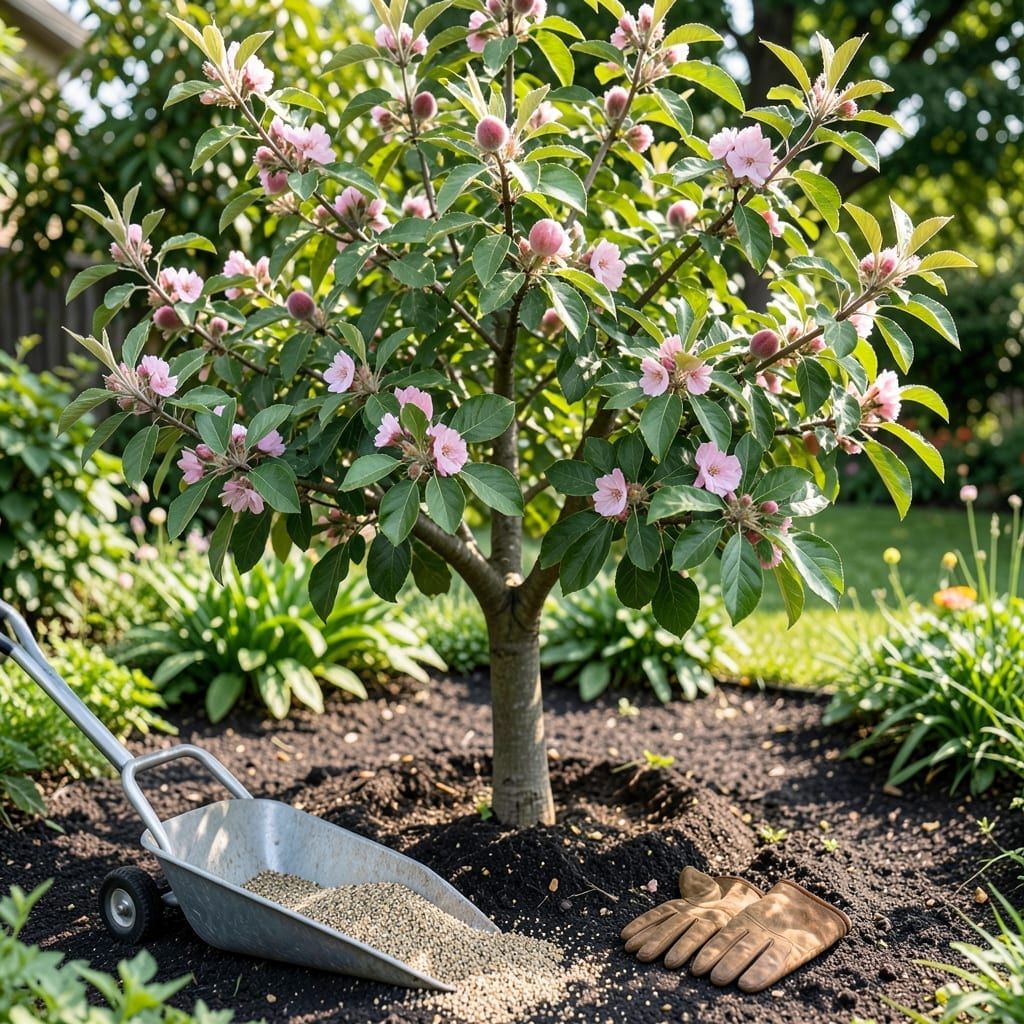
Timing your nectarine tree fertilization can transform your harvest from mediocre to exceptional. The 🍑 Nectarine Tree thrives with the right nutrients at the right moments, and missing the window means missed potential.
I’ve seen firsthand how a simple schedule adjustment leads to bigger, sweeter fruit. Whether you’re in zone 5-9 or just starting out, the timing makes all the difference for your trees.
Spring brings the first critical opportunity, but there are 3 key periods you shouldn’t overlook. Each season plays a unique role in your tree’s development and fruit quality.
Discover the simple yet powerful fertilization rhythm that keeps nectarine trees productive year after year. Your future harvest will thank you.
Getting the timing right for fertilizing nectarine trees is crucial for healthy growth and abundant fruit. I always recommend starting in late winter to give your tree a strong kickstart before spring growth begins.
Each season has a specific role in your tree’s development. Spring is for new growth, summer supports fruit development, while fall and winter are for rest and recovery. 🌳
| Season | Action | Nutrient Focus |
|---|---|---|
| Late Winter | Feed | Balanced (10-10-10) |
| Early Spring | Feed | Higher Nitrogen |
| Summer | Light Feed | Potassium & Phosphorus |
| Fall/Winter | Skip | None needed |
In late winter, I apply a balanced fertilizer just as the buds begin to swell. This gives the tree essential nutrients right when it needs them most for spring growth.
Early spring calls for a second application with slightly more nitrogen to support leaf development and branch growth. This is when your tree is building its foundation for the year.
Once summer arrives, switch to a light feeding schedule. Focus on potassium and phosphorus to help with fruit sizing and quality. I find this keeps my nectarines plump and sweet.
During fall, it’s important to stop fertilizing completely. This prevents new growth that could be damaged by upcoming frosts. Your tree needs to prepare for dormancy.
Winter is the tree’s resting period. No fertilization is needed, but it’s a great time to test your soil and plan for next year’s feeding schedule. ✂️
Remember, young trees need less fertilizer than mature ones. For the first year, I recommend half the standard amount to avoid burning the roots.
Always water deeply after fertilizing to help distribute nutrients and prevent root damage. This simple step makes a big difference in how well your tree absorbs the food. 💧
Knowing when your nectarine tree is hungry for nutrients can save it from stunted growth or poor fruit production. I look for yellowing leaves or slow growth as the first red flags. 🌿
Another clear sign is smaller-than-normal fruit or premature fruit drop. These often indicate a nutrient deficiency that needs immediate attention.
For young trees, I recommend a balanced fertilizer like 10-10-10. This supports root development and overall growth without overwhelming the plant.
As trees mature, switch to fertilizers with higher nitrogen in early spring to boost foliage growth. In summer, focus on potassium and phosphorus for fruit quality.
Always test your soil first. A simple test reveals exactly what your nectarine tree needs. I’ve found this prevents over-fertilizing and saves money too. ☀️
If you notice leaf discoloration, it might indicate a specific deficiency. Yellow leaves often mean nitrogen shortage, while purple veins suggest phosphorus lack.