
Beautiful Plants For Your Interior
Beautiful Plants For Your Interior
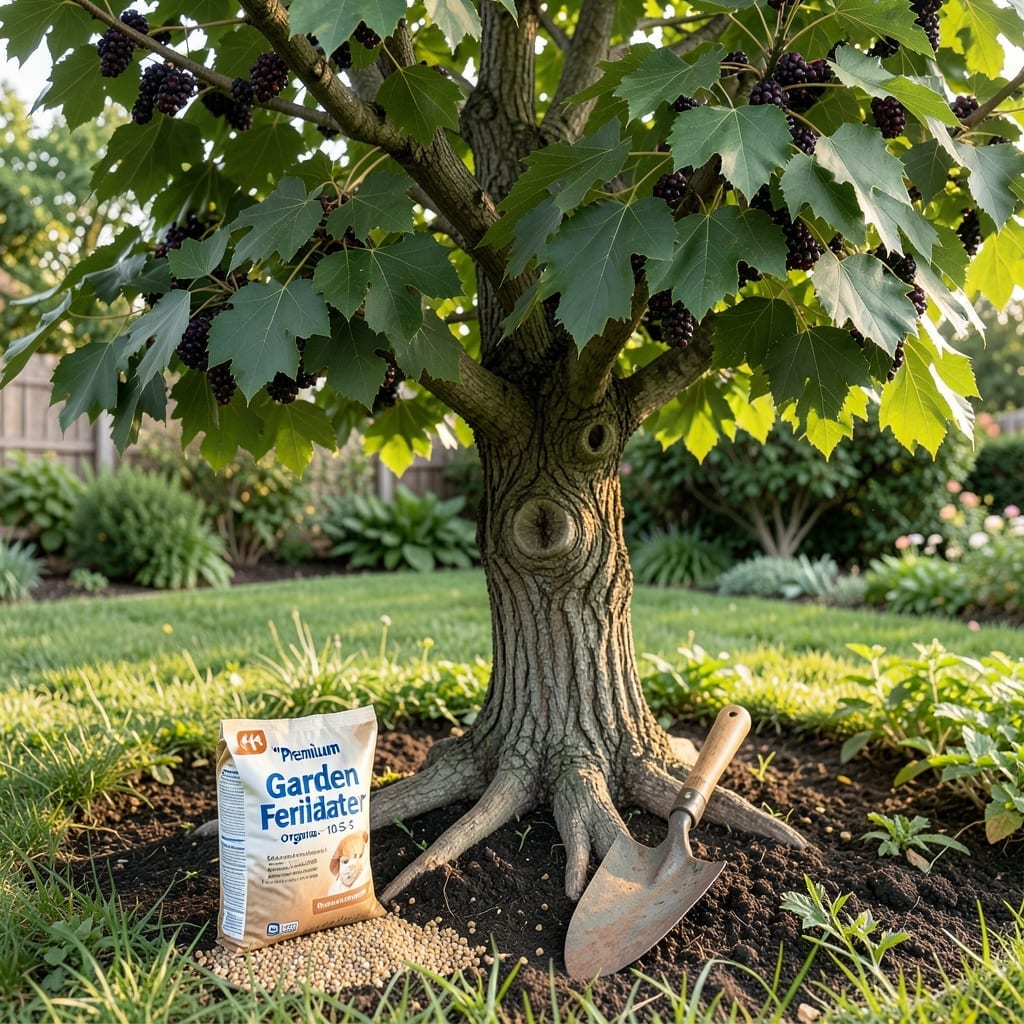
Timing your mulberry tree fertilization correctly can mean the difference between a lackluster harvest and a bumper crop of sweet, juicy berries. I’ve learned the hard way that feeding your 🌳 Mulberry Tree at the wrong time does more harm than good.
Discover how a simple seasonal schedule transforms your tree’s growth. Early spring and late fall are the key windows, but there’s more to it than just picking dates.
Understanding your tree’s growth stages helps you apply fertilizers when they’ll have the most impact. Whether you’re new to gardening or a seasoned pro, this timing insight makes all the difference.
Let me walk you through the best approach to nourishing your Mulberry Tree. You’ll see noticeable improvements in both foliage and fruit production with just a few adjustments.
Getting the timing right for fertilizing mulberry trees can be a game-changer for your harvest. I’ve found that feeding at the wrong stages can lead to wasted effort or even harm.
Early spring is the first critical window, just as the soil warms but before the buds break. This is when your tree is waking up and ready to absorb nutrients.
| Season | Action | Key Notes |
|---|---|---|
| Early Spring | Feed | 10-10-10 fertilizer at bud break |
| Late Spring | Light Feed | After flowering begins |
| Summer | Feed | Every 4-6 weeks for fruit |
| Fall | Feed | Build root reserves for winter |
| Winter | Skip | Tree is dormant |
Late spring is another perfect time, right after the flowers appear. At this stage, your tree needs extra nutrients to support fruit development and leaf growth.
During mid-summer, I recommend a light feeding every 4-6 weeks. This keeps the tree energized for that second wave of berries many mulberry varieties produce.
Fall fertilization is often overlooked but crucial. Apply a balanced fertilizer in early fall to help your tree store energy for winter and promote root growth.
Avoid fertilizing in late fall or winter. Your tree is dormant then, and the nutrients won’t be used effectively. This can even lead to wasted fertilizer or runoff.
Soil temperature matters too. I wait until the soil reaches at least 50°F in spring before applying fertilizer. This ensures the roots are active and can absorb the nutrients.
Watch for signs your tree needs feeding, like yellowing leaves or stunted growth. These are clear indicators it’s time to step in with some nutrient support.
Remember, consistency is key. Stick to this seasonal schedule, and you’ll see a noticeable difference in your mulberry tree’s vigor and fruit production. 🌿
Choosing the right fertilizer for your mulberry tree is just as important as timing. I’ve tested various options and found that a balanced 10-10-10 works best for overall health.
For leaf growth, a nitrogen-rich fertilizer like 20-10-10 gives your tree that lush, green canopy. But switch to a potassium-heavy mix during fruiting to boost berry production.
I always apply fertilizer in the early morning when the soil is damp. This helps prevent root burn and ensures the nutrients soak in properly.
The amount matters too. Use about 1 lb per inch of trunk diameter, spreading it evenly under the drip line. This mimics how nature feeds trees in the wild.
For organic gardeners, compost or well-rotted manure works wonderfully. I mix it into the top few inches of soil around my trees every early spring.
Avoid over-fertilizing, especially with high-nitrogen options. Too much can lead to excessive leaf growth at the expense of fruit production. 🌿