
Beautiful Plants For Your Interior
Beautiful Plants For Your Interior
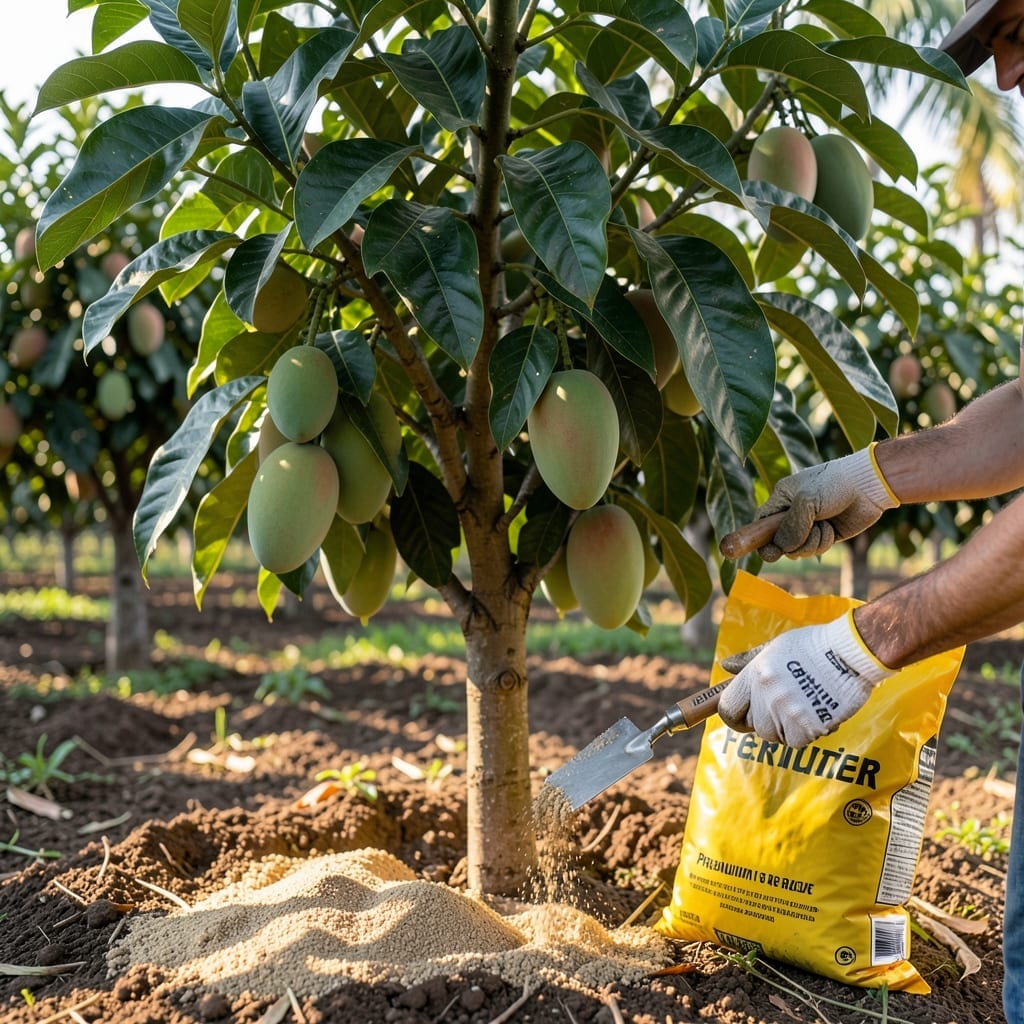
Timing your mango tree fertilization perfectly can mean the difference between a mediocre harvest and an abundant, sweet yield.
The 🥭 Mango Tree thrives in zones 10-11, where year-round tropical conditions allow for strategic feeding. But knowing when to act is the key to unlocking its full potential.
I’ve tested various schedules, and what I’ve found will transform your approach. Whether you’re nurturing a young sapling or a mature tree, the seasonal calendar matters more than you think.
Let me walk you through the exact timing and techniques to ensure your Mango Tree produces its best fruit yet.
I’ve found that mango trees thrive when fertilized at the right seasonal stages. Young trees need lighter feeding compared to mature ones, which demand more nutrients during fruiting.
Timing is everything—pre-flowering and post-harvest are critical windows. Missing these can lead to poor fruit set or stunted growth.
| Growth Stage | Best Time | Nutrient Focus | Frequency |
|---|---|---|---|
| Young Trees | Early Spring | Balanced NPK | Every 6-8 weeks |
| Pre-Flowering | Late Winter | High Phosphorus | Once |
| Flowering | Early Spring | Potassium Boost | Once |
| Fruiting | Summer | High Potassium | Every 4-6 weeks |
| Dormant | Winter | None | Skip |
For young mango trees, I recommend starting with a balanced 6-6-6 fertilizer in early spring. This encourages healthy root development before the growing season.
As trees mature, shift to a high-potassium formula like 8-3-9 during flowering and fruiting. Potassium is key for fruit quality and disease resistance.
During summer fruiting, I apply fertilizer every 4-6 weeks. This ensures a steady nutrient supply for developing mangoes.
Winter dormancy is a no-fertilizer zone. Trees rest, and feeding them now can disrupt their cycle or cause nutrient burn.
In tropical climates, mangoes may need year-round light feeding. But in cooler zones, stick to the seasonal schedule to avoid stress.
Always water deeply after fertilizing to prevent root burn. I use 1-2 lbs per young tree and 3-5 lbs for mature trees, adjusting for soil conditions.
Testing soil pH is crucial—mangoes prefer slightly acidic soil (pH 5.5-7.5). Amend with lime or sulfur if needed before feeding.
Choosing the right fertilizer for mango trees can dramatically boost your harvest. I recommend a balanced NPK ratio like 8-3-9 or 6-6-6 for most growth stages, with a shift to high-potassium during fruiting. 🌳
For young mango trees, start with 1-2 lbs of fertilizer every 6-8 weeks. Mature trees thrive on 3-5 lbs per application. Always water deeply after feeding to help nutrients reach the roots. 💧
I always avoid fertilizing during dormant winter months when the tree isn’t actively growing. This prevents nutrient waste and potential root damage from salt buildup in the soil.
For flowering mango trees, switch to a low-nitrogen fertilizer to encourage blooms rather than leafy growth. A 10-20-20 ratio works well at this stage to support fruit development. ☀️
Finally, never over-fertilize—it can lead to nutrient burn or excessive vegetative growth at the expense of fruit production. Stick to the recommended amounts and timing for a healthy, productive tree. 🌿