
Beautiful Plants For Your Interior
Beautiful Plants For Your Interior
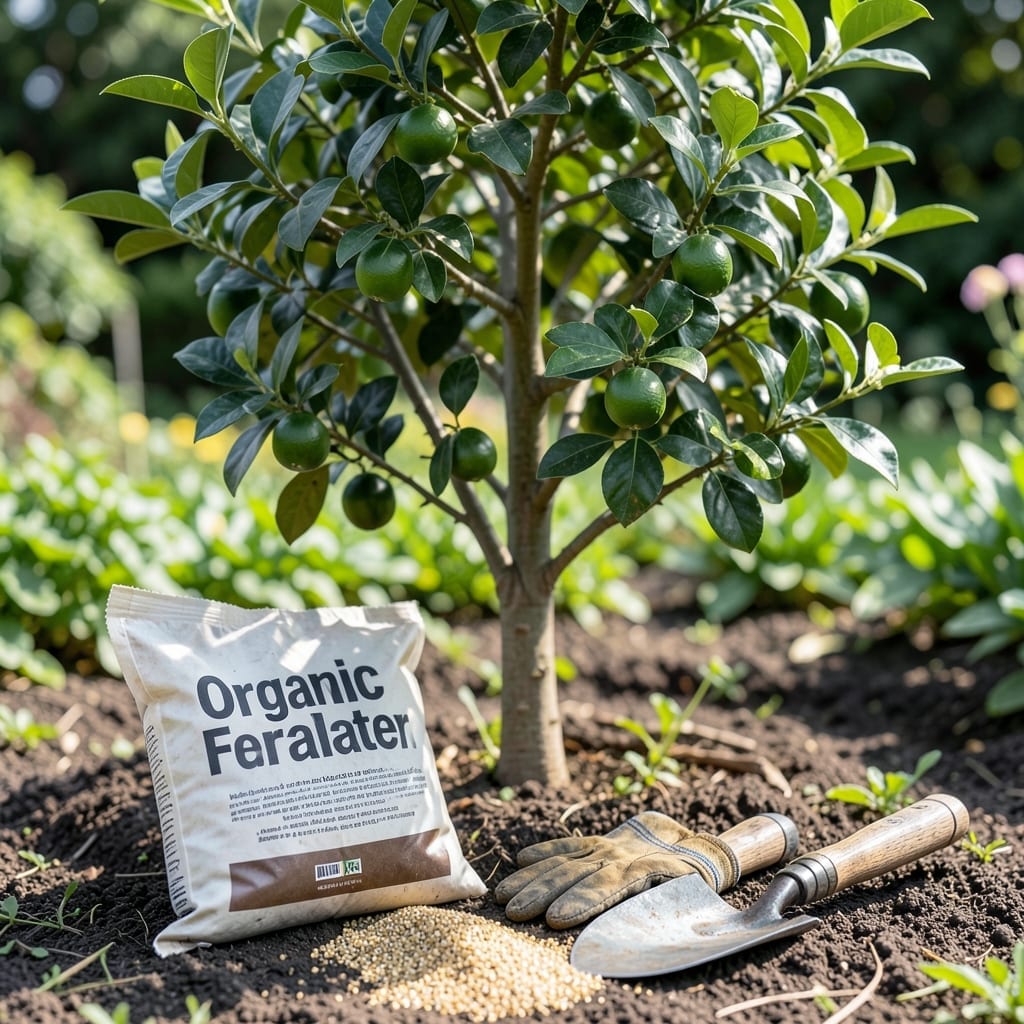
Timing your lime tree fertilization correctly can mean the difference between a lackluster harvest and a bounty of juicy, flavorful fruit. The 🍈 Lime Tree thrives when fed at just the right moments.
I’ve seen firsthand how proper timing transforms growth. Whether you’re in zones 9-11 or just starting out, nailing the schedule ensures your tree gets the nutrients it craves.
From early spring to late summer, each season plays a key role in development. Miss the window, and you risk stunting fruit production or wasting effort.
Discover the simple yet powerful seasonal approach that keeps your Lime Tree healthy and productive year after year.
Getting the timing right for fertilizing your lime tree is crucial for healthy growth and abundant fruit. I’ve learned that feeding at the right stages ensures your tree gets the nutrients it needs without waste.
Each season plays a unique role in your lime tree’s development. From early spring to late summer, the timing of fertilization can boost flowering, fruit set, and overall vitality.
| Season | Action | Purpose |
|---|---|---|
| Early Spring | Feed | Promote new growth |
| Late Spring | Light Feed | Support flowering |
| Summer | Light Feed | Sustain growth |
| Fall | Feed | Strengthen before winter |
| Winter | Skip | Avoid dormancy disruption |
In early spring, I always start with a balanced fertilizer to kickstart new growth. This is when your lime tree is waking up from dormancy and needs a nutrient boost to thrive.
The late spring period is all about supporting the blooming phase. A light feeding here helps the tree focus its energy on producing healthy flowers, which will later turn into fruit.
During summer, I switch to a maintenance approach. Light feedings every 4-6 weeks keep the tree sustained without overstimulating it, which can lead to excessive foliage at the expense of fruit.
When fall arrives, I give my lime tree one final strong feeding. This helps the tree store nutrients for the winter and ensures it has the energy to bounce back in the spring.
I never fertilize in winter because the tree is dormant. Feeding during this time can disrupt its natural cycle and may even cause fertilizer burn since the roots aren’t actively absorbing nutrients.
For young trees, I recommend using half the amount of fertilizer compared to mature trees. This prevents nutrient overload and supports steady, healthy growth as they establish their root systems.
Always water your lime tree deeply after fertilizing to help distribute the nutrients evenly. This step is often overlooked but makes a huge difference in how effectively the tree absorbs the fertilizer. ☀️
Selecting the right fertilizer for your lime tree depends on its growth stage. Young trees need a balanced NPK ratio like 6-6-6 to establish strong roots and foliage.
Mature trees benefit from a slightly higher nitrogen mix, such as 8-8-8, to support fruit production and overall vigor. Always consider micronutrients like zinc and iron too.
| Growth Stage | Recommended Fertilizer | Key Benefit |
|---|---|---|
| Young Trees | 6-6-6 NPK | Balanced growth |
| Mature Trees | 8-8-8 NPK | Boosts fruiting |
| Flowering Stage | High Phosphorus | Promotes blooms |
I prefer slow-release fertilizers for consistent feeding. They reduce the risk of nutrient burn and ensure steady growth. Organic options like compost or worm castings are great for soil health.
Liquid fertilizers work well for quick boosts, especially during active growth periods. Apply them every 4-6 weeks for best results. Always follow the package instructions for dosage.
Remember, soil pH matters. Lime trees prefer a slightly acidic to neutral pH (6.0-7.0). Test your soil and adjust if needed before fertilizing.
Finally, water deeply after applying fertilizer to help nutrients reach the roots. This step is often overlooked but makes a huge difference in effectiveness. 🌳