
Beautiful Plants For Your Interior
Beautiful Plants For Your Interior
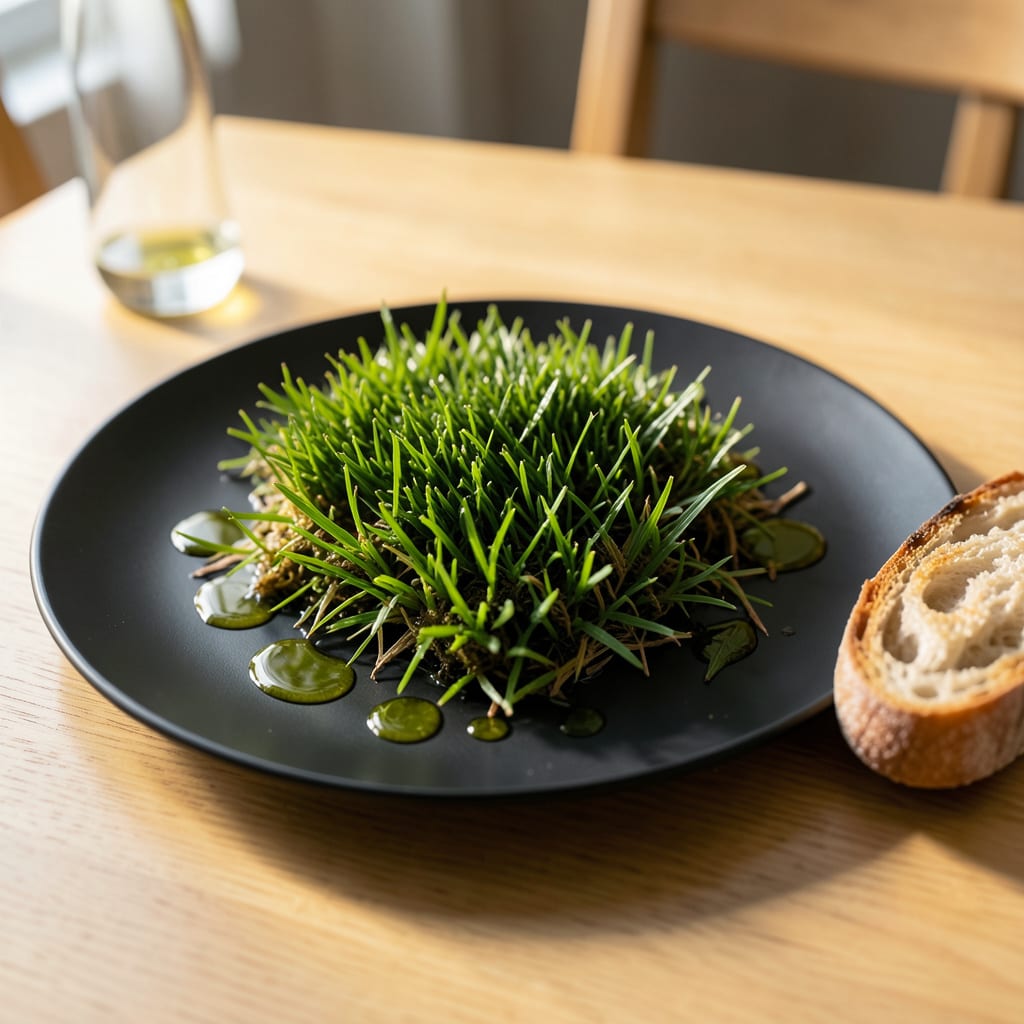
Maintaining a lush, green Lawn Grass 🌿 in Wisconsin requires understanding the state’s unique climate and seasonal changes. Knowing when to fertilize is crucial for healthy growth, especially in USDA zones 4-5.
In Wisconsin, the best times to fertilize are during spring (April-May) and fall (September-October). I’ll guide you through the fertilization schedule and tips to keep your lawn thriving throughout the year.

In Wisconsin, maintaining a healthy lawn requires understanding the state’s unique climate and seasonal changes. The best times to fertilize your lawn are during spring (April-May) and fall (September-October), when the grass is actively growing 🌱.
Fertilizing at the right time ensures your lawn receives the necessary nutrients for optimal growth. I’ll guide you through the fertilization schedule and tips to keep your lawn thriving throughout the year.
The spring fertilization helps jumpstart your lawn’s growth after winter dormancy. During this period, a balanced fertilizer provides essential nutrients for healthy blade development 🌿.
In the fall, fertilizing helps promote root growth and stores energy for the next growing season. This is particularly important in Wisconsin’s climate, where winters can be harsh ❄️.
Soil temperature is a critical factor in determining the best time to fertilize. When the soil temperature is between 55°F to 65°F, grass growth is optimal, making it the ideal time for fertilization 🌡️.
Different grass types have varying fertilization needs. Cool-season grasses, common in Wisconsin, benefit from fall fertilization, while warm-season grasses may require late spring or early summer fertilization 📅.
It’s essential to avoid fertilizing during extreme weather conditions, such as during drought or when the lawn is under stress. Always follow the recommended fertilizer application rates to prevent over-fertilization, which can harm your lawn and the environment 🌿.
Regular soil testing can help determine your lawn’s specific nutrient needs, allowing you to adjust your fertilization schedule accordingly. This ensures your lawn receives the right nutrients at the right time 🌱.
By understanding Wisconsin’s seasonal patterns and adjusting your fertilization schedule, you can maintain a lush, green lawn throughout the year. Proper fertilization, combined with regular mowing and watering, will keep your lawn healthy and thriving 🏞️.
For more specific advice tailored to your lawn’s needs, consider consulting with a local gardening expert or lawn care professional. They can provide personalized guidance based on your lawn’s unique conditions and needs 📞.
Maintaining a healthy lawn in Wisconsin requires a combination of proper fertilization, regular maintenance, and understanding the state’s unique climate. By following these guidelines, you can enjoy a beautiful, thriving lawn all year round 🌼.
Wisconsin’s diverse climate zones require a tailored approach to lawn fertilization. The state’s geography spans different regions, each with unique growing seasons and frost dates 🌿.
Understanding these regional differences is crucial for creating an effective fertilization schedule. Let’s explore the fertilization timing for southern, central, and northern Wisconsin.
These regional fertilization schedules are based on the average last frost dates and the typical growing seasons for each area 🌟.
By following these regional guidelines, you can create a fertilization schedule that meets your lawn’s specific needs based on Wisconsin’s diverse climate zones.
It’s also important to consider factors like soil type, grass species, and local weather conditions when planning your fertilization schedule.
For more specific advice tailored to your lawn’s needs, consider consulting with local gardening experts or conducting a soil test to determine your lawn’s exact nutrient requirements.
Maintaining a healthy lawn in Wisconsin requires understanding and adapting to the state’s unique climate conditions. By fertilizing at the right times and using the appropriate products, you can enjoy a lush, green lawn that enhances your property’s beauty and value 🏠.
Selecting the appropriate fertilizer for your Wisconsin lawn is crucial for maintaining its health and vitality. The right fertilizer provides essential nutrients that support healthy growth and robust root development 🌿.
Wisconsin lawns benefit from different types of fertilizers depending on the season and specific lawn needs. Understanding these requirements helps you make informed decisions about lawn care.
Balanced fertilizers (e.g., 10-10-10 NPK) are suitable for most Wisconsin lawns during the growing season. These fertilizers provide equal amounts of nitrogen, phosphorus, and potassium, promoting overall lawn health 🌱.
In the fall, a high-phosphorus fertilizer (e.g., 20-5-5 NPK) can be beneficial for promoting root growth and preparing the lawn for winter ❄️.
Organic fertilizers are another option for Wisconsin lawns. These natural products release nutrients slowly, reducing the risk of over-fertilization and promoting sustainable lawn care practices 🌟.
When choosing a fertilizer, consider factors like soil type, grass species, and local climate conditions. This ensures you select a product that meets your lawn’s specific needs.
Always follow the manufacturer’s instructions for application rates and timing to avoid over-fertilizing, which can harm your lawn and the environment 🌿.
By selecting the right fertilizer and applying it at the appropriate times, you can maintain a healthy, lush, and resilient lawn in Wisconsin 🏞️.
The best times to fertilize your lawn in Wisconsin are during spring (April-May) and fall (September-October) when the grass is actively growing. Fertilizing at these times ensures your lawn receives necessary nutrients for optimal growth. This helps promote healthy blade development in spring and root growth in fall.
In Wisconsin, it’s recommended to fertilize your lawn twice a year, once in spring and once in fall. For most lawns, a balanced fertilizer (10-10-10 NPK) in spring and a high-phosphorus fertilizer (20-5-5 NPK) in fall works well. This schedule supports overall health and root development.
It’s generally not recommended to fertilize during the peak of summer or winter in Wisconsin. Summer fertilization can stress the lawn, while winter fertilization is ineffective as the grass is dormant. Instead, focus on spring and fall applications. If needed, a light summer application of slow-release fertilizer can help maintain growth.
Choosing the right fertilizer depends on your lawn’s specific needs, including soil type and grass species. A balanced fertilizer is suitable for most lawns during the growing season. Consider conducting a soil test to determine your lawn’s exact nutrient requirements. This helps you select a product that meets your lawn’s needs.
