
Beautiful Plants For Your Interior
Beautiful Plants For Your Interior
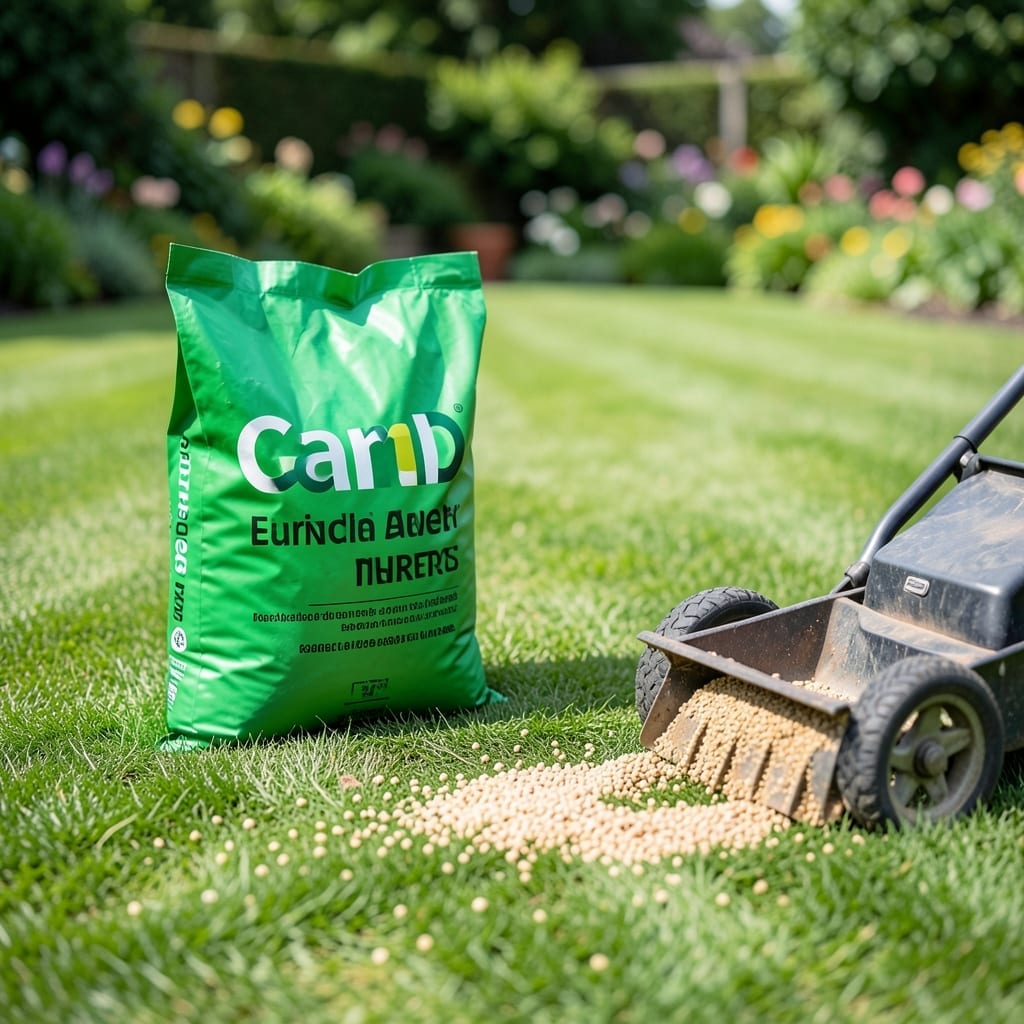
Timing your lawn fertilization correctly in Nebraska can mean the difference between a patchy, struggling yard and a vibrant, healthy turf. The 🌱 Lawn Grass in your yard thrives on a precise schedule that aligns with our state’s unique climate.
With 5b zone conditions, the window for optimal growth is narrower than you might think. Missing it could leave your lawn playing catch-up all season long.
I’ve seen firsthand how the right timing transforms a mediocre lawn into a lush carpet of green. The secret lies in working with Nebraska’s seasons, not against them.
Discover the seasonal schedule that will give your lawn the nutrients it needs, exactly when it needs them most.
In Nebraska’s USDA Zone 5b, timing your lawn fertilization properly ensures strong root development and lush growth. The key is aligning applications with grass type and seasonal growth cycles. Cool-season grasses thrive in spring and fall.
Warm-season varieties, less common here, prefer late spring to summer. I’ll break down the optimal windows for each season to help you plan. Nebraska’s first frost typically hits around October 10, which guides fall feeding.
| Season | Action | Notes |
|---|---|---|
| Early Spring (April) | FEED | After first mowing, cool-season grasses |
| Late Spring (May) | FEED | High nitrogen for growth surge |
| Summer (June-July) | Light Feed | Reduce during drought or extreme heat |
| Fall (September) | FEED | 6-8 weeks before first frost |
| Winter | Skip | Avoid fertilizing dormant grass |
For cool-season grasses like Kentucky bluegrass or tall fescue, early spring fertilization kickstarts growth after winter dormancy. I recommend applying a 20-5-10 NPK ratio fertilizer to promote leaf development and root strength.
Late spring is another critical window. By May, soil temperatures rise above 55°F, encouraging active growth. A second application now helps sustain vibrant green color and thickness throughout the growing season.
Summer fertilization in Nebraska requires caution. While a light feeding in June can maintain health, avoid heavy applications during peak heat or drought conditions. Over-fertilizing in summer can stress grass, leading to burn or disease.
Fall is my favorite time to fertilize in Nebraska. Applying fertilizer in early September strengthens roots before winter. This timing also helps grass store nutrients for a stronger spring rebound. I always aim to finish feeding by mid-October.
Winter is a no-go for fertilization. Grass enters dormancy, and nutrients won’t be absorbed effectively. Instead, focus on soil testing and planning for the next growing season. This ensures you’re ready when spring arrives.
Pro tip: Always water deeply after fertilizing to help nutrients penetrate the soil. Early morning applications reduce evaporation and maximize absorption. This simple step makes a noticeable difference in results.
Remember, Nebraska’s climate can vary. If you’re in the eastern part of the state, you might start a week earlier than western areas. Adjust your schedule based on local conditions and grass response.
With this seasonal approach, your lawn will stay healthy, resilient, and beautiful year-round 🌱
In Nebraska, grass type plays a huge role in when to fertilize. Cool-season grasses like Kentucky bluegrass thrive with early spring and fall feedings, while warm-season varieties prefer late spring. 🌱
Our zone 5b climate means soil temperature is critical. I always check that it’s consistently above 55°F before applying fertilizer, as cold soil won’t absorb nutrients effectively. ☀️
Weather patterns in Nebraska can be unpredictable. I’ve learned to avoid fertilizing right before a heavy rain, which can wash away nutrients. Instead, aim for a dry forecast for 24-48 hours after application. 🌧️
A soil test is your best friend. I recommend testing every 2-3 years to check pH levels and nutrient deficiencies. Nebraska soils often need lime to balance acidity.
Remember, timing matters more than frequency. One well-timed fall fertilization can do more for your lawn than multiple summer applications. I’ve seen this firsthand with my own yard.
Finally, watering schedule affects fertilizer effectiveness. Always water lightly after applying to help nutrients soak in, but avoid overwatering, which can leach them away. 💧