
Beautiful Plants For Your Interior
Beautiful Plants For Your Interior
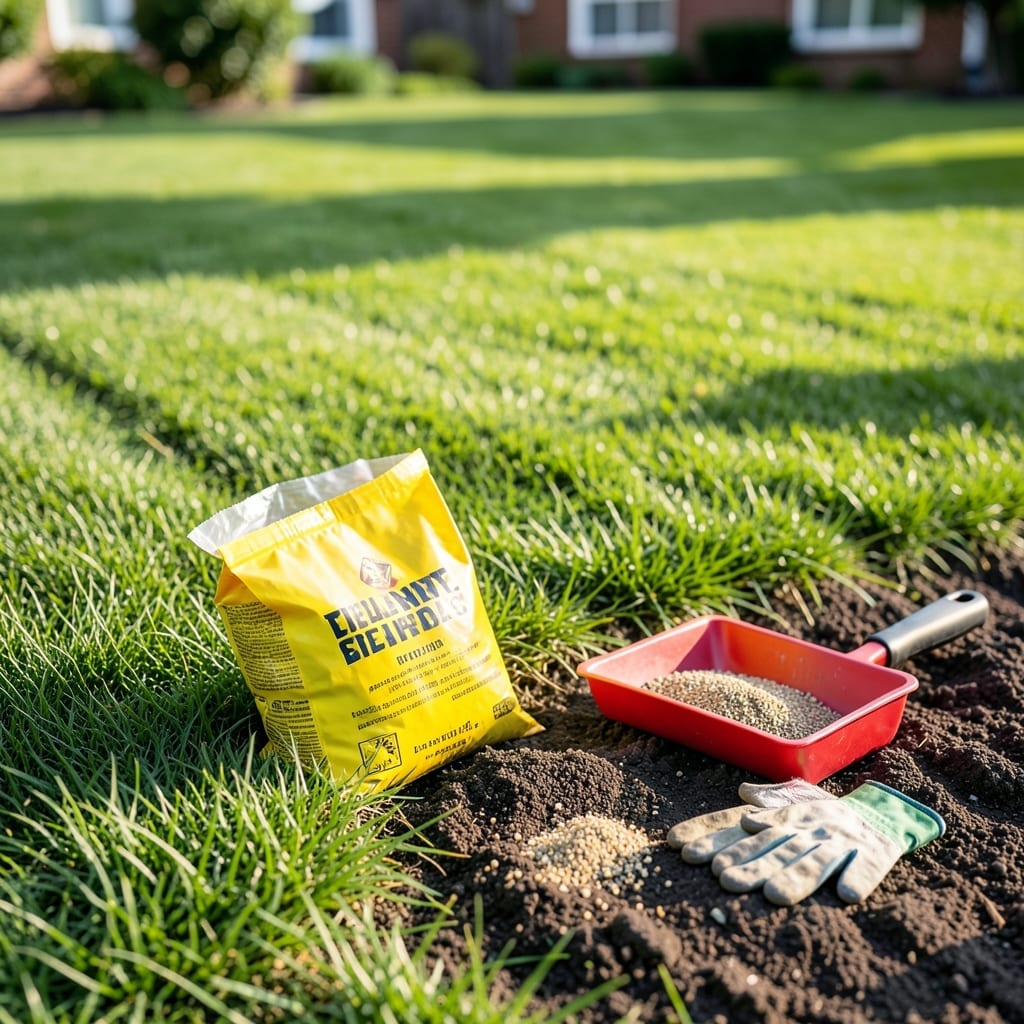
Timing your spring lawn fertilization perfectly can mean the difference between a patchy, weak turf and a vibrant, healthy 🌱 Lawn Grass that’s the envy of the neighborhood.
Get it right, and you’ll set the stage for lush, green growth all season long. But when exactly is the best time to start?
I’ll walk you through the key factors, from soil temperature to regional variations, so you can make the most of your efforts. No more guessing games.
Discover the simple secrets to fertilizing at just the right moment for a lawn that thrives. Let’s get started.
Timing your spring lawn fertilization correctly ensures your grass gets the nutrients it needs to thrive. The key is to wait until your lawn is actively growing, which typically starts when soil temperatures reach about 55°F. This usually happens in early to mid-spring, depending on your region.
For most homeowners, this means fertilizing between late March and early May. However, if you live in a cooler climate, you might need to wait until April or even early May to hit that magic temperature. 🌱
If you fertilize too early, while the grass is still dormant, you risk feeding weeds instead of your lawn. I’ve seen this happen often—homeowners get eager and apply fertilizer at the first sign of warm weather, only to watch crabgrass and dandelions take over.
To check soil temperature, use a soil thermometer or watch for natural signs. When you see new green growth at the base of the grass blades, that’s your cue. Another reliable indicator is when forsythia bushes start blooming in your area. ☀️
For cool-season grasses like Kentucky Bluegrass or Fescue, aim to fertilize around late March to early April. These grasses start growing as soon as temperatures rise, so feeding them early gives them a head start. Use a slow-release fertilizer with a balanced NPK ratio, such as 20-5-10.
If you have warm-season grasses like Bermuda or Zoysia, wait until late April to early May. These grasses need warmer soil to break dormancy. Fertilizing too early can lead to nutrient waste or even damage. A high-nitrogen fertilizer works best here.
Regional climate plays a big role too. In the Northern U.S., spring fertilization often starts in April. In the Southern U.S., where winters are milder, you might begin as early as late February or March. Always adjust based on your local weather patterns.
Don’t forget to water your lawn after applying fertilizer. This helps the nutrients soak into the soil and reach the roots. Aim for about 1 inch of water within 24-48 hours of application. Avoid heavy foot traffic on the lawn for at least 24 hours to prevent compacting the soil.
Finally, consider splitting your spring fertilization into two light applications rather than one heavy dose. This approach, called split feeding, ensures a steady supply of nutrients without overwhelming your grass. Apply the first round in early spring and the second about 6-8 weeks later. 🌿
I know it can be tricky to tell when your lawn grass is truly ready for that first spring feeding. Look for dull, pale green or yellowish patches—these are classic signs of nitrogen deficiency.
Another red flag is slow growth despite warm weather. If your grass isn’t bouncing back after mowing or foot traffic, it’s likely craving nutrients. 🌱
Don’t wait until your lawn looks completely starved. Early intervention with high-nitrogen fertilizer can prevent these issues from worsening.
I recommend testing your soil first. A simple pH test can reveal if your lawn needs more than just fertilizer—sometimes lime or sulfur is the real solution. ☀️
Also watch for excessive thatch—a thick layer can block fertilizer from reaching the roots. If it’s over ½ inch thick, dethatch before feeding.
Remember, timing matters. Apply fertilizer when the soil is 55°F or warmer and your grass is actively growing. This ensures maximum absorption and effectiveness. 🌿