
Beautiful Plants For Your Interior
Beautiful Plants For Your Interior
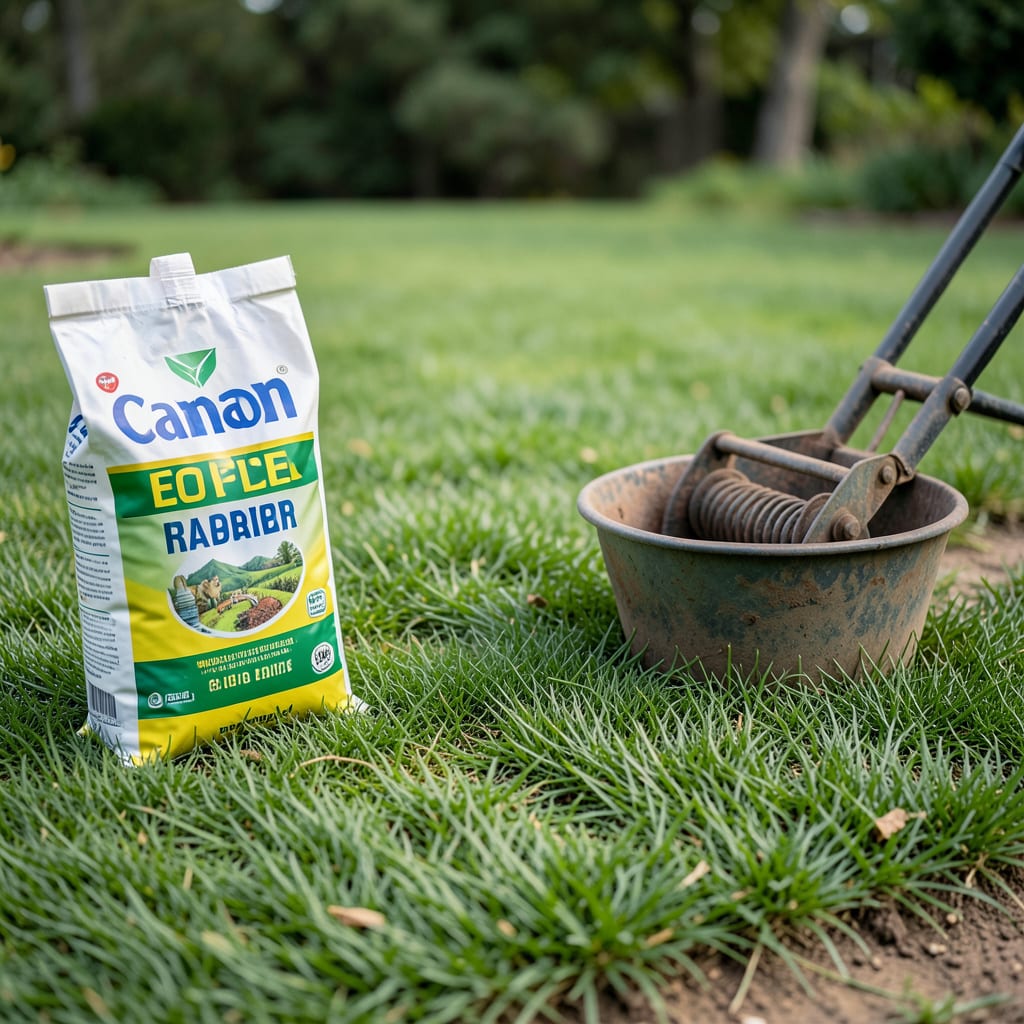
As summer fades and cooler weather approaches, your 🌱 Grass needs a nutrient boost to survive winter and thrive next spring. Timing is crucial, especially in USDA Zone 6, where the first frost arrives around October 15.
I’ll help you determine the best time to fertilize your lawn in fall, considering factors like climate, grass type, and regional differences. Let’s explore how to give your lawn the care it needs.

Understanding the best time to fertilize your lawn in fall is crucial for its health and survival during winter. The ideal timing depends on factors like climate, grass type, and regional differences. Generally, fertilizing in fall helps promote root growth and prepares the lawn for the next growing season 🌿.
In USDA Zone 6, where the first frost occurs around October 15, it’s recommended to fertilize your lawn about 4-6 weeks before the first frost. This allows the grass to absorb the necessary nutrients before the ground freezes. For most regions, this translates to fertilizing in September or early October 🔥.
Fertilizing at the right time ensures that your lawn receives the necessary nutrients to survive the winter and thrive in the spring. It’s also important to consider the type of grass you have, as cool-season and warm-season grasses have different fertilization needs 🌱.
Cool-season grasses, such as Kentucky bluegrass and perennial ryegrass, benefit from fertilization in early fall, around September. This helps them recover from summer stress and prepares them for the cold winter months. Warm-season grasses, like Bermudagrass and Zoysiagrass, should be fertilized in late summer, about August or early September, to promote root growth before the lawn goes dormant 💪.
Regional differences also play a significant role in determining the best time to fertilize your lawn in fall. For instance, lawns in cooler climates may require fertilization earlier in the fall, while those in warmer regions might need it later. Consulting local gardening experts or extension services can provide more tailored advice for your area 📍.
To maximize the effectiveness of your fall fertilization, it’s essential to choose the right type of fertilizer. A balanced fertilizer with a suitable N-P-K ratio is key to promoting healthy lawn growth. The next section will delve into the specifics of selecting the appropriate fertilizer for your lawn’s needs 🔜.
By fertilizing your lawn at the optimal time in fall, you can ensure it remains healthy and resilient throughout the winter. Proper timing, combined with the right fertilizer, will help your lawn recover from summer stress and prepare it for the next growing season 🌟.
For more detailed information on lawn care and fertilization, consider consulting resources like the National Gardening Association or your local cooperative extension. These organizations offer valuable insights and region-specific advice on maintaining a healthy lawn 🌱.
Remember, the key to successful fall lawn fertilization is timing and choosing the right products. By following these guidelines, you can help your lawn thrive during the fall season and beyond 🌿.
As you plan your fall lawn care, keep in mind the importance of soil testing to determine your lawn’s specific nutrient needs. This can help you make informed decisions about fertilization and other lawn care practices 🔬.
By taking the time to understand your lawn’s needs and fertilizing at the right time, you can enjoy a lush, healthy lawn throughout the year. Happy gardening! 🌻
Selecting the appropriate fertilizer for your lawn in fall is critical for promoting healthy growth and preparing it for winter. The right fertilizer type, N-P-K ratio, and application rate can make a significant difference in your lawn’s health 🌱.
I recommend considering factors like your grass type, soil conditions, and local climate when choosing a fertilizer. For most lawns, a balanced fertilizer with an N-P-K ratio of 3-1-2 or 4-1-2 is suitable. This ratio provides the necessary nutrients for root growth and overall lawn health 🔍.
When applying fertilizer, it’s essential to follow the recommended application rate to avoid over-fertilizing, which can harm your lawn and the environment. Typically, the application rate is 1 lb per 1000 sqft for balanced fertilizers 💪.
Cool-season grasses benefit from fertilizers with higher nitrogen content to promote growth during the fall. On the other hand, warm-season grasses require less nitrogen and more potassium to enhance root growth and cold hardiness 🌿.
Soil testing can help determine your lawn’s specific nutrient needs, ensuring you choose the right fertilizer. By selecting the appropriate fertilizer and following the recommended application guidelines, you can promote healthy lawn growth and prepare your lawn for the next growing season 📈.
For more information on lawn care and fertilization, consider consulting resources like the National Gardening Association or your local cooperative extension. These organizations offer valuable insights and region-specific advice on maintaining a healthy lawn 🌱.
By choosing the right fertilizer and applying it correctly, you can enjoy a lush, healthy lawn throughout the year. Happy gardening! 🌻
To maximize the effectiveness of your fall fertilization, consider implementing complementary lawn care practices. These include aeration, mowing tips, and winter preparation. By combining these practices, you can promote healthy lawn growth and prepare your lawn for the next growing season 🌿.
Aerating your lawn helps improve soil drainage, reduces soil compaction, and promotes healthy root growth. This is especially important in fall when the soil is still warm 🔥.
Keep your grass at the recommended height for your specific grass type. This helps prevent weed growth and promotes a healthy, dense turf 🌱.
Clean up leaves and debris, and consider applying a winterizer fertilizer to help your lawn survive the cold months. This will ensure your lawn remains healthy and resilient throughout the winter ❄️.
By incorporating these additional fall lawn care tips, you can enhance the effectiveness of your fertilization efforts. This comprehensive approach will help your lawn thrive during the fall season and beyond 🌟.
For more detailed information on lawn care and fertilization, consider consulting resources like the National Gardening Association or your local cooperative extension. These organizations offer valuable insights and region-specific advice on maintaining a healthy lawn 🌱.
By taking a proactive and comprehensive approach to fall lawn care, you can enjoy a lush, healthy lawn throughout the year. Happy gardening! 🌻
Fertilize your lawn about 4-6 weeks before the first frost. For most regions, this means fertilizing in September or early October. This timing allows the grass to absorb necessary nutrients before the ground freezes.
Consider factors like grass type, soil conditions, and local climate. A balanced fertilizer with an N-P-K ratio of 3-1-2 or 4-1-2 is suitable for most lawns. Soil testing can help determine specific nutrient needs.
Aerate your lawn to improve soil drainage and promote root growth. Maintain proper mowing height to prevent weed growth. Clean up leaves and debris, and consider applying a winterizer fertilizer to prepare for winter.
Yes, fertilizing too early can promote weak growth, while fertilizing too late may not give the lawn enough time to absorb nutrients. Timing is crucial for effective fall fertilization.
