
Beautiful Plants For Your Interior
Beautiful Plants For Your Interior
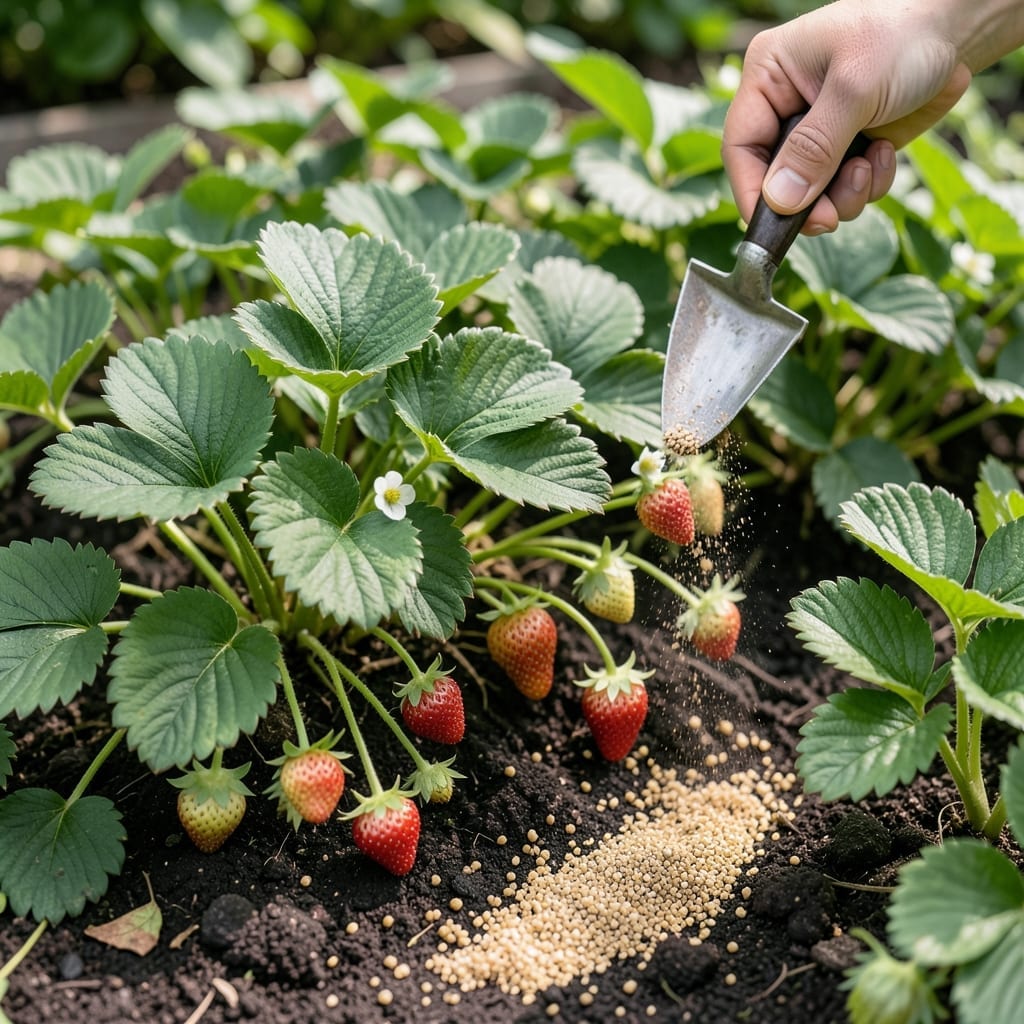
Timing your fertilizer application is the key to maximizing next year’s 🍓 Strawberry harvest. June-bearing varieties have a unique growth cycle that demands precision.
Feed them at the wrong time, and you might waste effort—or worse, harm your plants. I’ve seen gardeners struggle with weak yields simply because they missed the optimal window.
The secret lies in understanding their seasonal needs. Early spring and post-harvest are most important, but many overlook the late summer boost for runner development.
Discover how a simple schedule can transform your patch. With the right approach, you’ll see bigger, sweeter berries next June.
Getting the timing right for fertilizing June-bearing strawberries can make or break your harvest. These plants follow a unique growth cycle, so feeding them at the wrong time can waste resources or even harm your crop.
I’ve found that the best approach is to align fertilization with key growth stages. This ensures your plants get the nutrients they need when they need them most, without overloading them during sensitive periods.
| Stage | When to Fertilize | Fertilizer Type | Key Benefit |
|---|---|---|---|
| Early Spring | March-April | Balanced 10-10-10 | Boosts new growth |
| After Harvest | Late June | Low-nitrogen 5-10-10 | Replenishes depleted nutrients |
| Late Summer | August | Organic compost | Supports runner development |
| Dormancy Prep | September | Potassium-rich | Strengthens winter hardiness |
In early spring, as soon as you see new green growth, it’s time for the first feeding. I use a balanced 10-10-10 fertilizer to give my strawberries a solid start. This helps establish strong roots and foliage before flowering begins.
The most critical feeding comes right after harvest. Your plants have just put all their energy into producing fruit, and they’re nutrient-depleted. A low-nitrogen fertilizer like 5-10-10 helps them recover and prepare for next year’s crop.
In late summer, I switch to organic options like compost or well-rotted manure. This supports runner production, which will become next year’s fruit-bearing plants. It’s a natural way to build soil health while feeding your strawberries.
As fall approaches, focus on potassium-rich fertilizers. This strengthens the plants’ cold tolerance and ensures they enter dormancy in peak condition. I’ve noticed my strawberries bounce back stronger in spring when I do this.
Avoid fertilizing during active fruiting or in winter dormancy. Too much nitrogen during fruiting can lead to excessive leaf growth at the expense of berries. And in winter, your plants aren’t actively growing, so they can’t use the nutrients.
Always test your soil before fertilizing. This helps you avoid over-application and ensures you’re addressing any specific deficiencies. I use a simple home test kit—it’s an inexpensive way to take the guesswork out of feeding.
Remember, less is often more with strawberries. Over-fertilizing can lead to salt buildup in the soil, which harms the plants. Stick to the schedule, and your June-bearing strawberries will reward you with a bountiful harvest year after year 🌱
The post-harvest feeding is the most critical step for June-bearing strawberries. After producing fruit, your plants are nutrient-depleted and need a boost to recover and prepare for next season.
I always apply a low-nitrogen fertilizer like 5-10-10 immediately after harvest. This replenishes phosphorus and potassium, which are vital for root and foliage growth in the coming months.
This feeding helps your strawberries develop stronger root systems and healthier foliage. These are the foundations for next year’s fruit production. I’ve noticed my plants come back more vigorous when I don’t skip this step.
It also prevents common nutrient deficiencies like purple leaves (phosphorus) or yellow edges (potassium). These issues can weaken plants and reduce future yields if left unaddressed.
For best results, I water deeply after applying fertilizer. This helps the nutrients reach the root zone where they’re needed most. Avoid surface applications that might wash away before absorption.
Remember, timing is everything. Apply your post-harvest feed within 1-2 weeks after picking your last berries. This gives your plants the best chance to recover and thrive for next season 🌿