
Beautiful Plants For Your Interior
Beautiful Plants For Your Interior
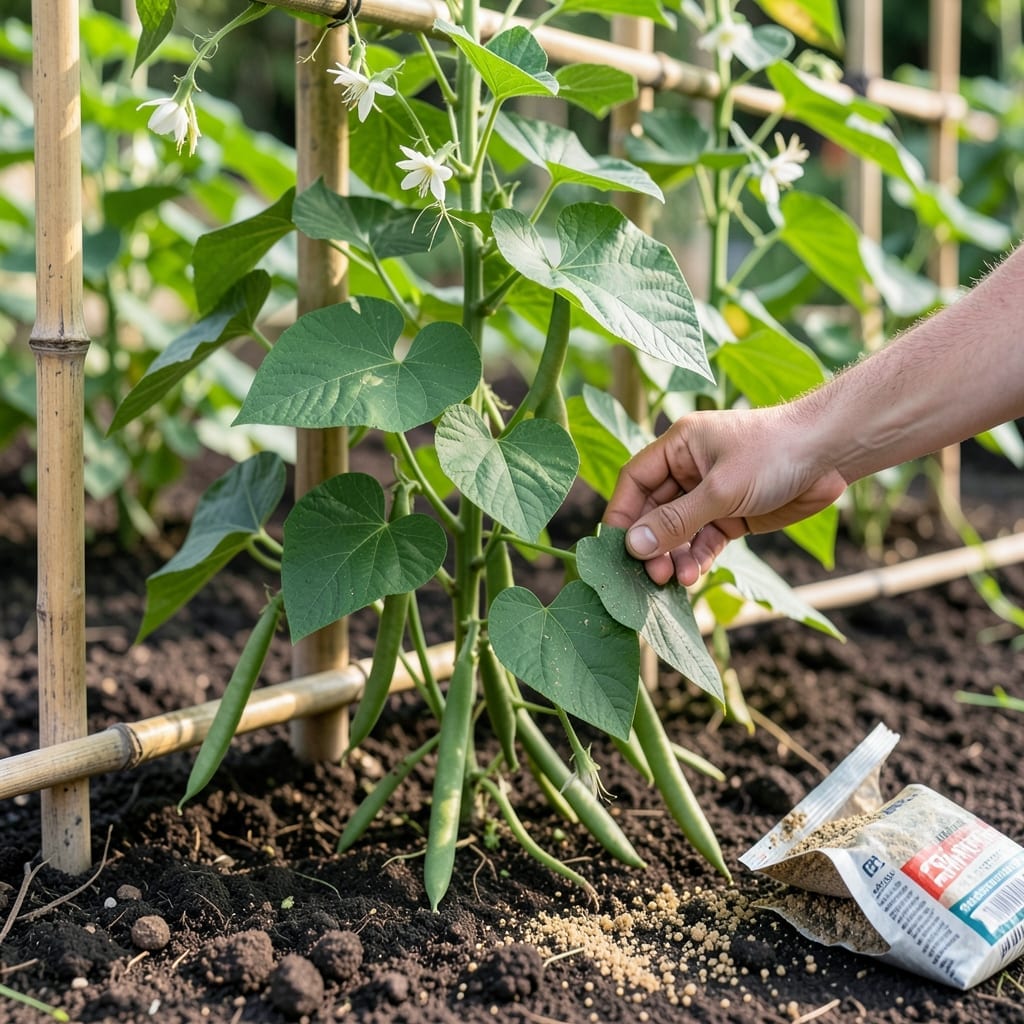
Timing your fertilizer application is the key to growing prolific Green Beans. Feed them too early or too late, and you might end up with lush foliage but few pods.
I’ve learned that understanding when to fertilize makes all the difference between a mediocre harvest and a bountiful one. The 🌱 Green Beans in my garden transformed once I got the timing right.
Whether you’re a seasoned gardener or just starting out, knowing the optimal moments to add nutrients will set you up for success. It’s not just about feeding your plants – it’s about feeding them at the right time.
Discover how to read your plants’ signals and create a fertilization schedule that works with their natural growth cycle. Your Green Beans will thank you with a more abundant harvest.
Getting the timing right with green bean fertilization means the difference between a bountiful harvest and a lackluster one. I’ve found that these plants thrive when fed at specific growth stages, not just randomly throughout the season.
At planting, I always focus on nitrogen-rich fertilizer to kickstart strong root and vine development. This early boost helps the plants establish themselves quickly in the soil. 🌱
| Stage | Action | Nutrient Focus |
|---|---|---|
| Planting | Apply balanced fertilizer | Nitrogen (5-10-10) |
| Pre-Bloom | Side-dress with compost | Phosphorus boost |
| Pod Formation | Light liquid feed | Potassium emphasis |
| Post-Harvest | Add organic matter | Soil health focus |
Once the plants start showing true leaves, I switch to a phosphorus-heavy fertilizer to encourage strong blooming. This is when the plants are gearing up to produce those delicious pods we all love.
During pod formation, I ease off a bit and use a potassium-rich fertilizer. This helps the pods develop properly and ensures they’re packed with flavor. I’ve noticed that too much nitrogen at this stage leads to excessive foliage but fewer beans.
I always apply fertilizer in the early morning when the soil is still cool. This prevents the roots from getting burned and allows the plants to absorb the nutrients more effectively throughout the day.
For organic gardeners, compost tea or fish emulsion works wonders. I apply these every 4-6 weeks for a steady nutrient supply. They’re gentle and won’t overwhelm the plants like synthetic fertilizers can.
After the final harvest, I
Remember, over-fertilizing can be just as harmful as under-fertilizing. I’ve seen cases where too much fertilizer leads to leaf burn or even stunts the plant’s growth. It’s all about balance.
By following this stage-specific fertilization schedule, I’ve consistently grown healthy, productive green beans that are the envy of my gardening friends.
Your green beans will often tell you when they need a nutrient boost. I look for yellowing leaves or stunted growth as clear signs it’s time to fertilize. These visual cues are nature’s way of sending an SOS.
Another red flag is poor pod production despite healthy foliage. This usually means your plants are getting too much nitrogen and not enough phosphorus or potassium. 🌱
I’ve learned that over-fertilizing can be worse than under-fertilizing. Too much food leads to leaf burn or excessive vine growth with few pods. It’s like giving a child too much candy before dinner—they won’t eat their veggies!
Another common mistake is fertilizing late in the season. Once your beans start yellowing naturally in fall, they’re done producing. Feeding them then just wastes resources and can harm the soil.
I always test my soil before adding fertilizer. A simple soil test kit reveals exactly what nutrients are missing. This prevents guesswork and ensures I’m giving my plants what they truly need.
Remember, consistency is key. I fertilize my green beans every 4-6 weeks during the growing season, adjusting based on plant response and weather conditions. This schedule keeps them thriving without overdoing it. 🌿