
Beautiful Plants For Your Interior
Beautiful Plants For Your Interior
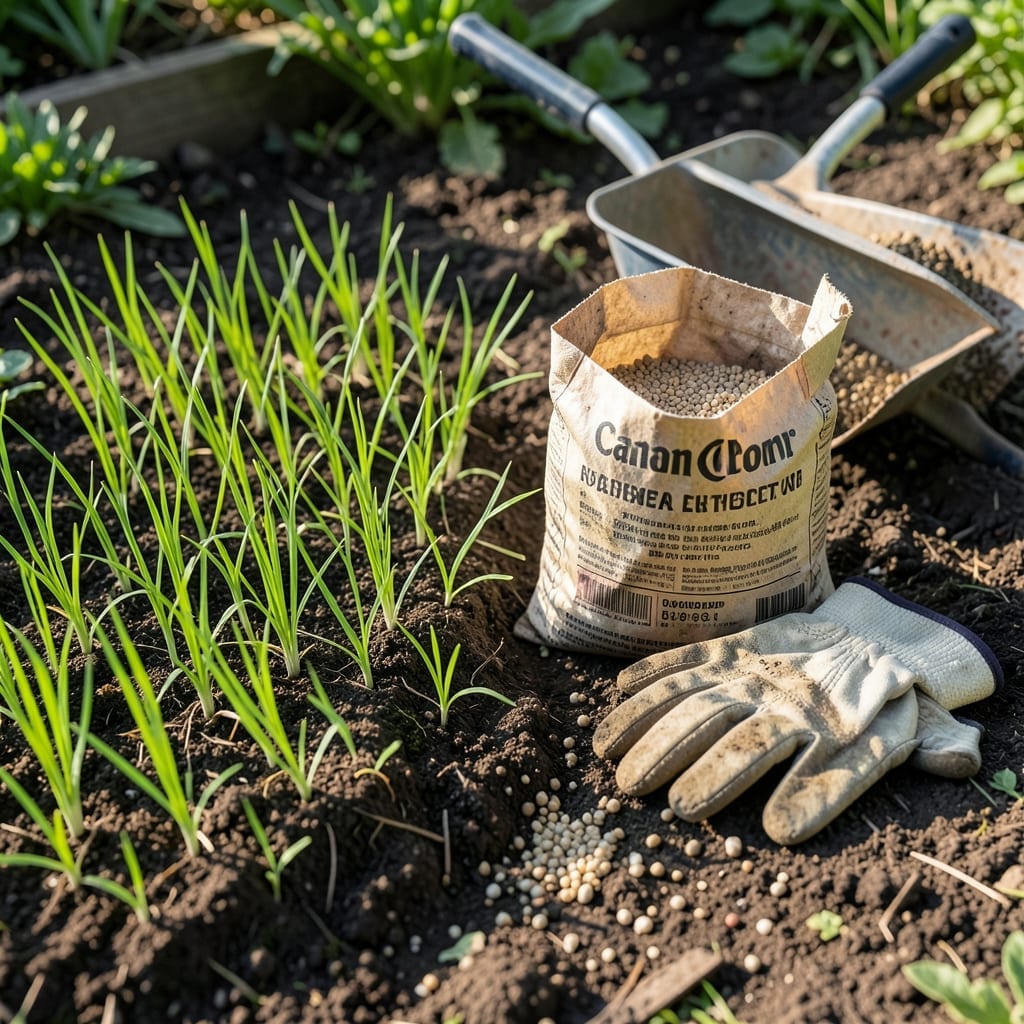
Timing your fertilizer application can transform a struggling lawn into a vibrant one. For Grass 🌱 seedlings, getting this right ensures strong roots and lush growth from the very beginning.
Many gardeners rush this step and end up with patchy, weak lawns. The key is patience and precision, knowing exactly when your seedlings are ready for that first boost.
I’ll walk you through the most important moments to fertilize, from planting to those critical early weeks. You’ll learn how to spot the perfect timing for your new lawn.
With the right approach, you’ll see faster, healthier growth that sets the foundation for a beautiful yard. Let’s get started on the path to your best lawn yet.
Getting the timing right for fertilizing grass seedlings is crucial. I’ve seen many gardeners apply fertilizer too early, which can burn tender new growth. The first rule is patience—wait until your seedlings are 2-3 inches tall before considering any fertilizer.
This stage typically occurs about 4-6 weeks after germination, depending on your grass type and growing conditions. At this point, the seedlings have developed enough root structure to handle the nutrients without stress.
The first mowing is another key milestone for fertilization. When your grass seedlings reach the height where they need their first trim, it’s a sign they’re ready for a light application of fertilizer. This usually happens when they’re about 3-4 inches tall.
I recommend using a starter fertilizer with a balanced NPK ratio like 10-10-10 for this initial feeding. Starter fertilizers are specifically formulated to be gentle on new growth while providing the essential nutrients for root development.
After that first light feeding, you can move to a regular fertilizer schedule. For most grass types, this means fertilizing every 4-6 weeks during the growing season. This consistent feeding helps maintain steady growth and vibrant color.
Remember that seasonal changes affect your fertilization schedule. In spring and fall, when grass is actively growing, you’ll fertilize more frequently. During the hot summer months, it’s best to reduce or pause fertilization to avoid stressing the grass.
For cool-season grasses like Kentucky bluegrass or fescue, the most important fertilization times are early fall and late spring. Warm-season grasses like Bermuda or Zoysia do best with feedings in late spring through summer.
Always water your lawn before and after fertilizing to help the nutrients penetrate the soil and prevent burning. I’ve found that early morning applications work best, as it gives the fertilizer time to absorb before the heat of the day.
Finally, pay attention to your grass’s appearance. If you notice pale color or slow growth, it might be time for a feeding. But remember, more isn’t always better—over-fertilizing can do more harm than good to your new lawn 🌱
Choosing the right fertilizer can make or break your new grass seedlings. I always start with a starter fertilizer when planting, as it’s gentler and packed with phosphorus to boost root growth. This is crucial for those first tender weeks.
Once your seedlings hit 2-3 inches tall, they’re ready for a more balanced approach. At this stage, a 10-10-10 NPK ratio works wonders for most grass types, giving them the nitrogen, phosphorus, and potassium they need to thrive.
For cool-season grasses like fescue or ryegrass, I recommend a slow-release fertilizer in early fall. This gives them a steady supply of nutrients as they establish roots before winter. It’s a game-changer for overwintering success.
Warm-season grasses such as Bermuda or Zoysia benefit from a quick-release option in late spring. The fast-acting nitrogen helps them green up quickly and recover from any winter damage they may have sustained.
If you’re dealing with poor soil conditions, consider a fertilizer with added micronutrients like iron or sulfur. These can help correct deficiencies and improve the overall health and color of your lawn.
Always match your fertilizer to your grass type and growing conditions. I’ve found that testing your soil first can reveal exactly what nutrients your lawn might be lacking, helping you choose the most effective product 🌱