
Beautiful Plants For Your Interior
Beautiful Plants For Your Interior
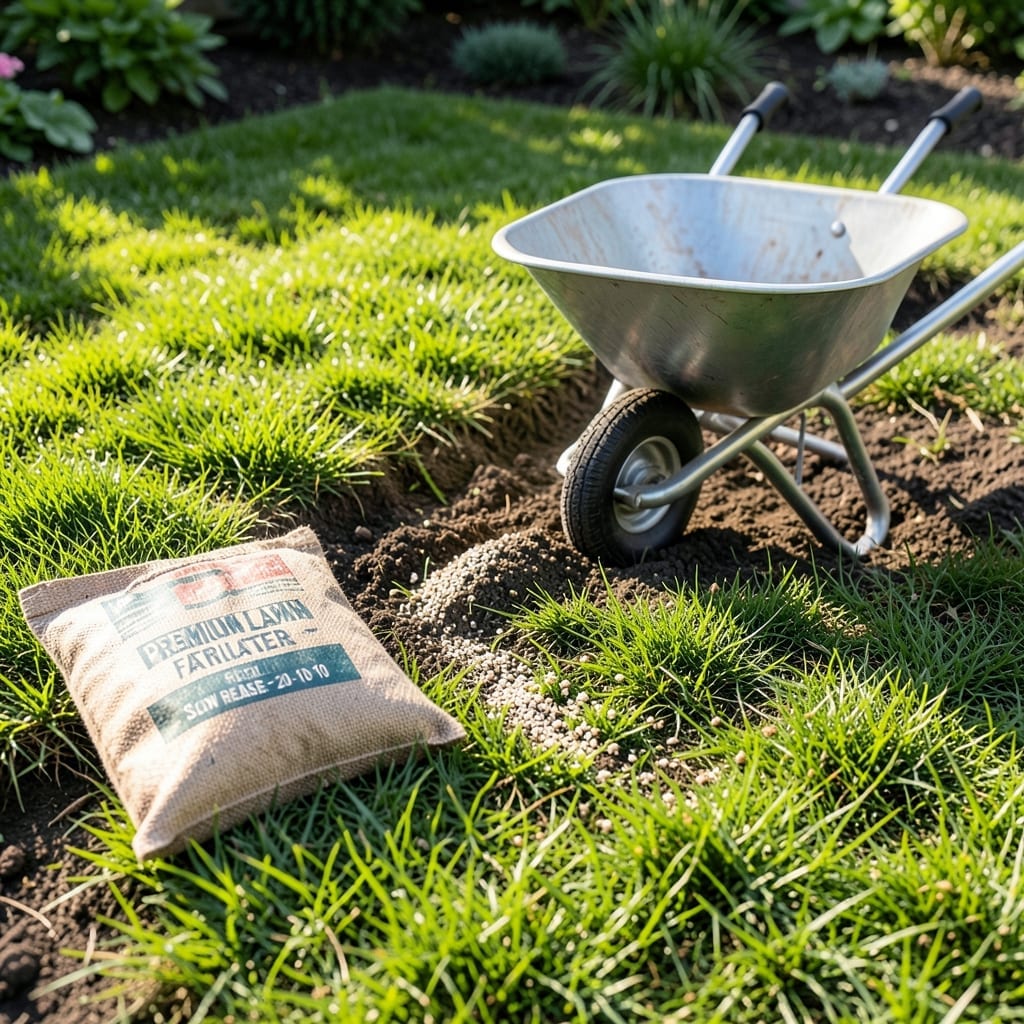
Timing your 🌱 Grass fertilization can make or break your Oregon lawn. In our state’s unique zones 7b-9a, the difference between a thriving yard and a struggling one often comes down to when you feed it.
I’ve seen too many homeowners waste time and money by fertilizing at the wrong times. The good news? There’s a simple, science-backed schedule that works perfectly for Oregon’s climate and the spring growing season.
Whether you’re in Portland or Bend, understanding these seasonal windows is the key to a lush, green lawn. No guesswork, just proven timing that aligns with your grass’s natural growth cycles.
Discover the exact months to fertilize and why they matter. Your lawn will thank you with vibrant, healthy growth all year long.
Oregon’s diverse climate means your fertilization timing depends on where you live. Western Oregon has a mild, wet climate, while Eastern Oregon is drier and colder, affecting how and when you feed your lawn.
Cool-season grasses like Kentucky bluegrass and tall fescue thrive in most of the state. They grow most actively in spring and fall, which are the best times to fertilize for maximum impact.
| Zone | Best Months | Grass Type | Key Notes |
|---|---|---|---|
| Western Oregon | April-May, Sept-Oct | Cool-season | Avoid summer heat stress |
| Eastern Oregon | May, Sept | Cool-season | Early fall avoids frost |
| Transition Zone | April, Oct | Cool-season | Adjust for local microclimates |
In Western Oregon, the ideal window is April through May and again in September through October. The cool, moist conditions help grass absorb nutrients without the stress of summer heat.
For Eastern Oregon, where winters are colder and summers drier, aim for May fertilization to kickstart growth and a September application to prepare for winter dormancy.
The transition zone, which includes areas like the Willamette Valley’s edges, often follows the Western schedule but may need adjustments based on local conditions. Always check your specific microclimate.
Cool-season grasses benefit most from fall fertilization. This is when they’re building root strength for winter. A high-nitrogen fertilizer in September or October gives them the boost they need.
Spring feeding should be lighter. Use about half the amount of nitrogen you’d apply in fall. This prevents excessive top growth that can struggle in Oregon’s summer droughts.
Avoid fertilizing during summer months. The heat and potential drought can burn your lawn and waste fertilizer. Save your efforts for the cooler, wetter seasons when grass can truly benefit.
Remember, these are general guidelines. For the best results, I always recommend testing your soil pH and adjusting based on your lawn’s specific needs and local weather patterns.
Choosing the right fertilizer for your Oregon lawn isn’t just about the brand—it’s about matching the product to your grass type and seasonal needs. Cool-season grasses like Kentucky bluegrass thrive with different nutrients than warm-season varieties.
In Oregon, I recommend slow-release fertilizers for steady, long-lasting nourishment. These prevent the rapid growth surges that can stress your lawn during our dry summer months. Quick-release options work best for fast green-up in early spring.