
Beautiful Plants For Your Interior
Beautiful Plants For Your Interior
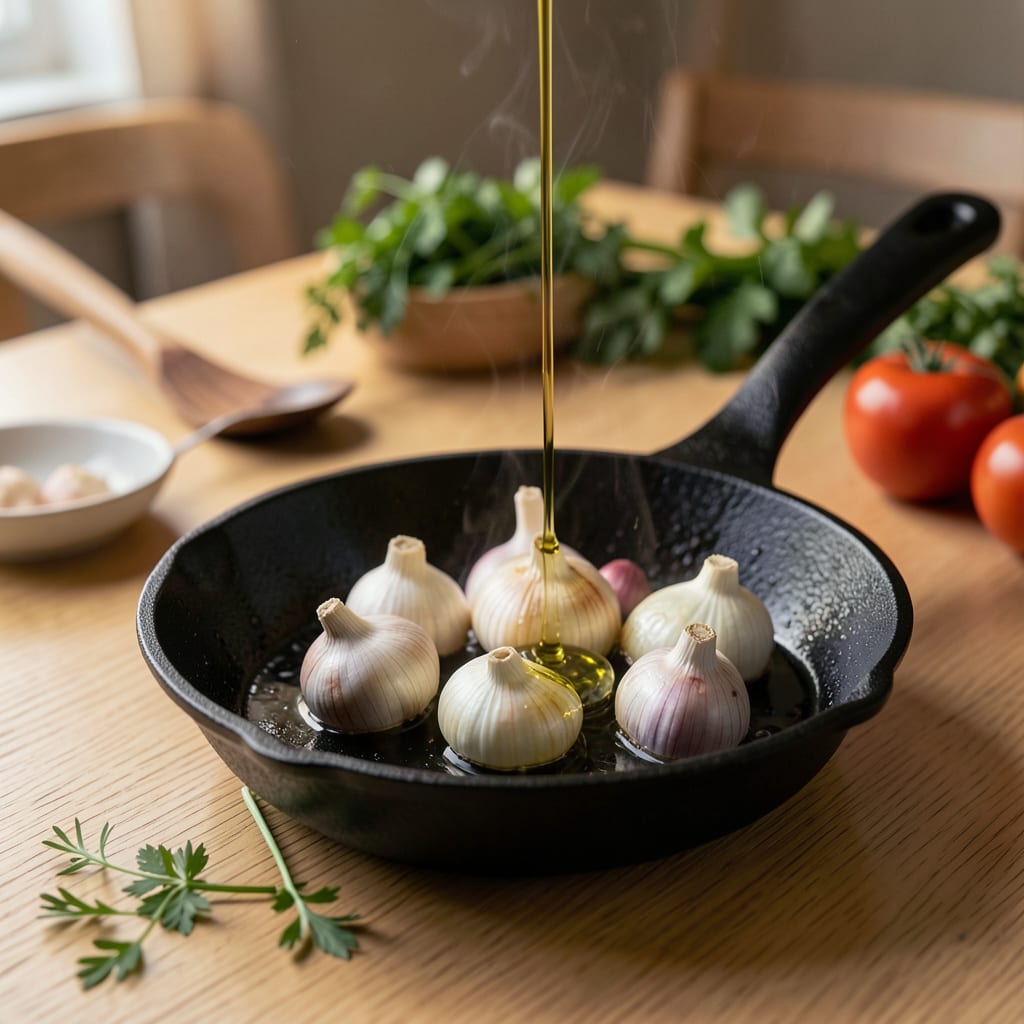
Fertilizing 🧄 garlic at the right time is crucial for achieving maximum yield and flavor. In USDA Zone 6, timing your fertilization can make all the difference.
I recommend fertilizing your garlic during key growth stages to promote healthy development. Let’s explore the best times to fertilize your garlic for an optimal harvest.

Fertilizing garlic at the right time is crucial for achieving maximum yield and flavor. In USDA Zone 6, timing your fertilization can make all the difference. I recommend fertilizing your garlic during key growth stages to promote healthy development.
Let’s explore the best times to fertilize your garlic for an optimal harvest. The critical periods for fertilization are during planting time, early spring, and post-emergence feeding. Understanding these stages will help you provide your garlic with the necessary nutrients for robust growth.
The first critical fertilization stage is at planting time. I recommend applying a balanced fertilizer (10-10-10 NPK) to provide initial nutrients for your garlic. This helps establish a strong root system and promotes healthy growth from the start.
In early spring, garlic benefits from a light feed to support green top growth and bulb formation. This is typically done when the garlic starts to emerge from the soil. A balanced fertilizer or a high-nitrogen fertilizer can be used during this stage.
After the garlic has emerged, a high-phosphorus fertilizer can be applied to promote bulb development. Phosphorus is essential for root development and bulb formation, making it a critical nutrient during this stage.
It’s also important to consider the soil conditions when fertilizing garlic. If your soil is poor in nutrients, you may need to adjust your fertilization schedule accordingly. Regular soil testing can help determine the soil’s nutrient content and guide your fertilization decisions.
By understanding the critical fertilization stages and considering your soil conditions, you can create an effective fertilization plan for your garlic. This will help promote healthy growth and maximize your yield.
In addition to timing, the type of fertilizer used is also crucial. A balanced fertilizer is often recommended for garlic, as it provides a mix of nitrogen, phosphorus, and potassium. However, the specific nutrient needs may vary depending on the stage of growth and soil conditions.
For example, during the early spring stage, a high-nitrogen fertilizer can be beneficial for promoting green top growth. In contrast, a high-phosphorus fertilizer is more suitable during the post-emergence stage to support bulb development.
By choosing the right type of fertilizer and applying it at the correct time, you can optimize your garlic’s growth and yield.
Overall, a well-planned fertilization strategy is key to growing healthy and productive garlic. By understanding the critical fertilization stages and using the right type of fertilizer, you can achieve a bountiful harvest.
Fertilizing garlic effectively is crucial for achieving maximum yield and flavor. I recommend understanding the different fertilization methods and choosing the right type of fertilizer for your garlic crop.
The key to successful garlic fertilization lies in proper timing and application. Let’s explore the practical tips for fertilizing garlic effectively.
For maximum yield, use a balanced fertilizer (10-10-10 NPK) at planting time and during early spring growth 🌱
When it comes to fertilizing garlic, the type of fertilizer used is just as important as the timing. A balanced fertilizer (10-10-10 NPK) is often recommended for garlic, as it provides a mix of nitrogen, phosphorus, and potassium.
In addition to the type of fertilizer, the application method is also critical. I recommend applying fertilizer in the early morning when the soil is moist, allowing for better nutrient absorption.
It’s also essential to avoid over-fertilizing, as this can lead to excessive foliage growth at the expense of bulb development. A light feed during early spring is usually sufficient to support healthy growth.
Soil conditions play a significant role in garlic fertilization. If your soil is poor in nutrients, you may need to adjust your fertilization schedule accordingly. Regular soil testing can help determine the soil’s nutrient content and guide your fertilization decisions.
By following these practical tips and understanding the importance of proper fertilization, you can optimize your garlic’s growth and yield.
For garlic grown in USDA Zone 6, the fertilization schedule can be tailored to the specific growing conditions. By understanding the critical fertilization stages and using the right type of fertilizer, you can achieve a bountiful harvest.
Overall, effective garlic fertilization requires a combination of proper timing, application, and soil management. By following these guidelines, you can promote healthy growth and maximize your yield.
I closely monitor my garlic plants for signs that they need additional fertilization. One of the key indicators is when the leaves start to turn yellow or pale, which can signal a nutrient deficiency. This is often a sign that the plants require more nitrogen to support healthy growth 🌿
Another sign that your garlic needs additional fertilization is when the growth appears stunted or weak. This can be due to a lack of essential nutrients like phosphorus or potassium, which are crucial for root development and bulb formation 💪
Regular monitoring of your garlic plants’ health and adjusting your fertilization schedule accordingly is crucial for achieving maximum yield and flavor
To determine if your garlic needs additional fertilization, I recommend conducting regular soil tests. This will help you identify any nutrient deficiencies and adjust your fertilization schedule accordingly. By understanding the specific needs of your soil, you can provide your garlic with the necessary nutrients for optimal growth 🌱
In addition to soil testing, observing your garlic plants’ visual cues is also essential. Keep an eye out for signs like yellowing leaves, stunted growth, or weak foliage, which can indicate nutrient deficiencies. By responding promptly to these signs, you can adjust your fertilization schedule to support healthy growth and maximize your yield 📝
By combining regular soil testing with careful observation of your garlic plants, you can create an effective fertilization plan that meets their specific needs. This will help you achieve a bountiful harvest of healthy, flavorful garlic 🧄
Fertilize garlic at planting time, early spring, and after emergence. For USDA Zone 6, this typically means fertilizing in fall, late March, and when leaves are 6-8 inches tall. This supports healthy growth and bulb formation
A balanced fertilizer (10-10-10 NPK) is recommended for garlic. You can also use high-nitrogen fertilizer in early spring to promote green top growth. For bulb development, switch to a high-phosphorus fertilizer after emergence
Fertilize garlic every 4-6 weeks during the growing season. For USDA Zone 6, this typically means fertilizing in fall, early spring, and once more after emergence. Adjust based on soil conditions and plant health
Yes, over-fertilizing can lead to excessive foliage growth at the expense of bulb development. Follow recommended application rates and avoid fertilizing too frequently. Monitor your plants for signs of nutrient deficiency or excess
