
Beautiful Plants For Your Interior
Beautiful Plants For Your Interior
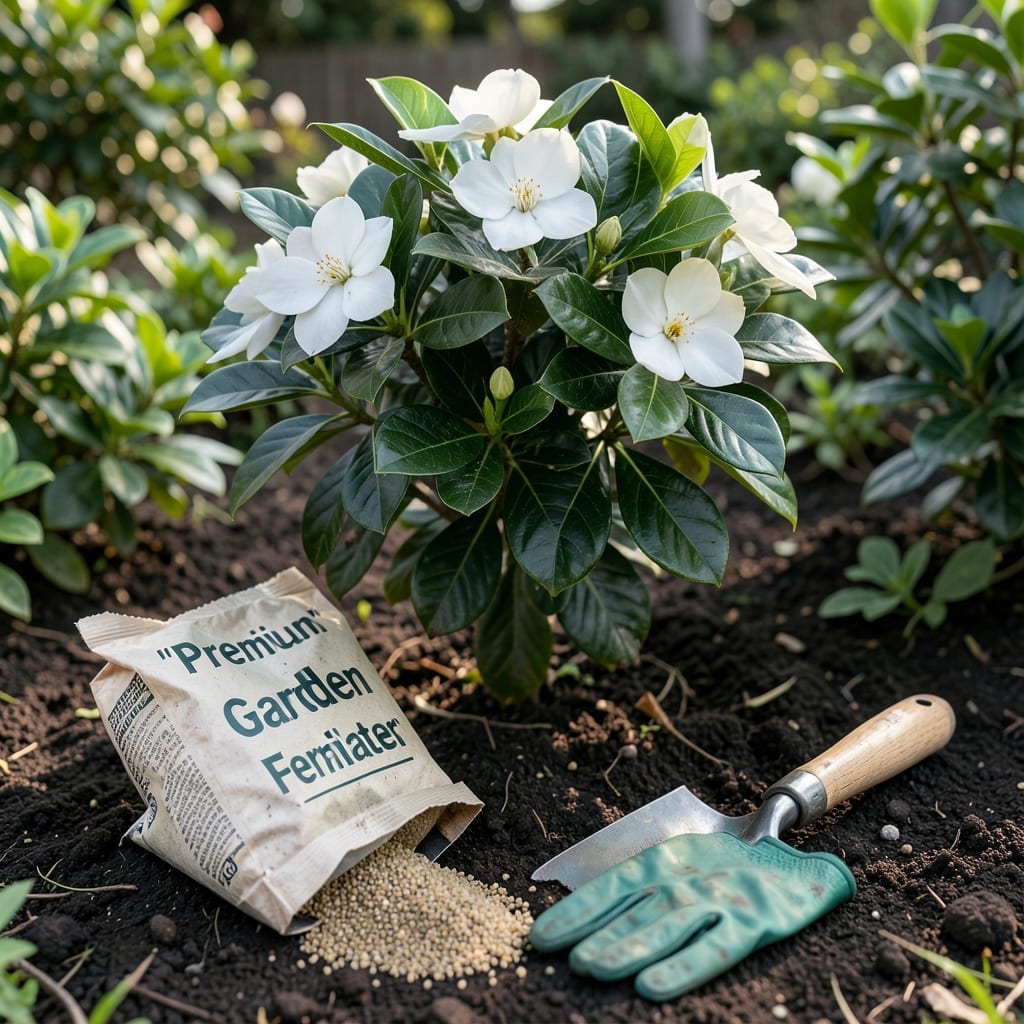
Gardenias thrive in Florida’s warm climate, but knowing exactly when to fertilize can make all the difference. Timing and technique are the key to vibrant, fragrant blooms.
The 🌸 Gardenia loves acid-rich soil, and Florida’s unique seasons demand a smart approach. Fertilize too early or too late, and you risk stunting growth or missing the bloom cycle entirely.
I’ve tested schedules across 8b-10a zones, and the results are clear: a well-timed feeding routine transforms these shrubs. Let me share what works best for lush, healthy gardenias.
You’ll discover the exact months to feed your plants, how to adjust for North vs. South Florida, and why consistency beats intensity every time.
If you want your gardenias to thrive in Florida’s climate, timing your fertilization is key. These acid-loving shrubs need a careful balance of nutrients to produce their signature fragrant blooms. I’ve found that sticking to a seasonal schedule makes all the difference.
In North Florida, the growing season starts a bit later than in the southern regions, but the general rule is to begin fertilizing in early spring. This gives your gardenias the boost they need as they enter their active growth phase. 🌸
| Season | Months | Fertilizer Action | Notes |
|---|---|---|---|
| Spring | March – May | Feed | Begin as new growth appears |
| Summer | June – August | Light Feed | Reduce frequency in extreme heat |
| Fall | September – October | Feed | Encourage root growth before winter |
| Winter | November – February | Skip | Semi-dormant period |
During spring months, I recommend feeding your gardenias every 4-6 weeks with an acid-based fertilizer. This is when they’re putting out new growth and preparing for their first flush of blooms. Look for fertilizers specifically formulated for acid-loving plants.
As we move into summer, the heat can stress your gardenias. I switch to a lighter feeding schedule—maybe once every 6-8 weeks—to avoid root burn. Always water deeply before and after applying fertilizer to help distribute the nutrients evenly.
In fall, particularly September and October, I give my gardenias another round of fertilizer. This helps them strengthen their roots before the cooler months. It’s like giving them a nutrient reserve to draw from during winter.
Once winter arrives, I stop fertilizing altogether. Gardenias enter a semi-dormant phase, and feeding them now can do more harm than good. Instead, focus on maintaining soil moisture and protecting them from cold snaps.
For South Florida gardeners, the schedule might shift slightly earlier. The warmer climate means your gardenias may start their growth cycle a few weeks sooner. Pay attention to new leaf growth—that’s your cue to start feeding.
Remember, soil pH is critical for gardenias. They thrive in acidic soil with a pH between 5.0 and 6.0. If your soil isn’t acidic enough, even the best fertilizer won’t help. I test my soil every few months and amend it with sulfur or peat moss if needed.
Finally, always apply fertilizer in the early morning or late afternoon to avoid evaporation loss and leaf burn. And water thoroughly afterward to help the nutrients reach the root zone where they’re needed most. 🌿
For Florida gardenias, I always recommend using an acid-based fertilizer to match their natural pH preference. These shrubs thrive with formulations like 10-10-10 or 15-5-10 that include micronutrients like iron and magnesium.
A slow-release granular fertilizer works best in our warm climate, as it provides steady nutrition without risk of burning the roots during heatwaves. I apply mine every 4-6 weeks during the growing season.
When applying, I measure 1 tbsp per foot of the plant’s height and spread it around the drip line, never touching the trunk. This prevents root burn while ensuring even distribution.
For liquid fertilizers, I dilute to half strength and apply to moist soil. This is especially effective for container gardenias that need more frequent feeding.
Finally, test your soil pH annually. Gardenias prefer 5.0-6.0 pH, and if it’s off, even the best fertilizer won’t help your plants thrive.
With the right approach, your gardenias will reward you with lush foliage and fragrant blooms all season long 🌸