
Beautiful Plants For Your Interior
Beautiful Plants For Your Interior
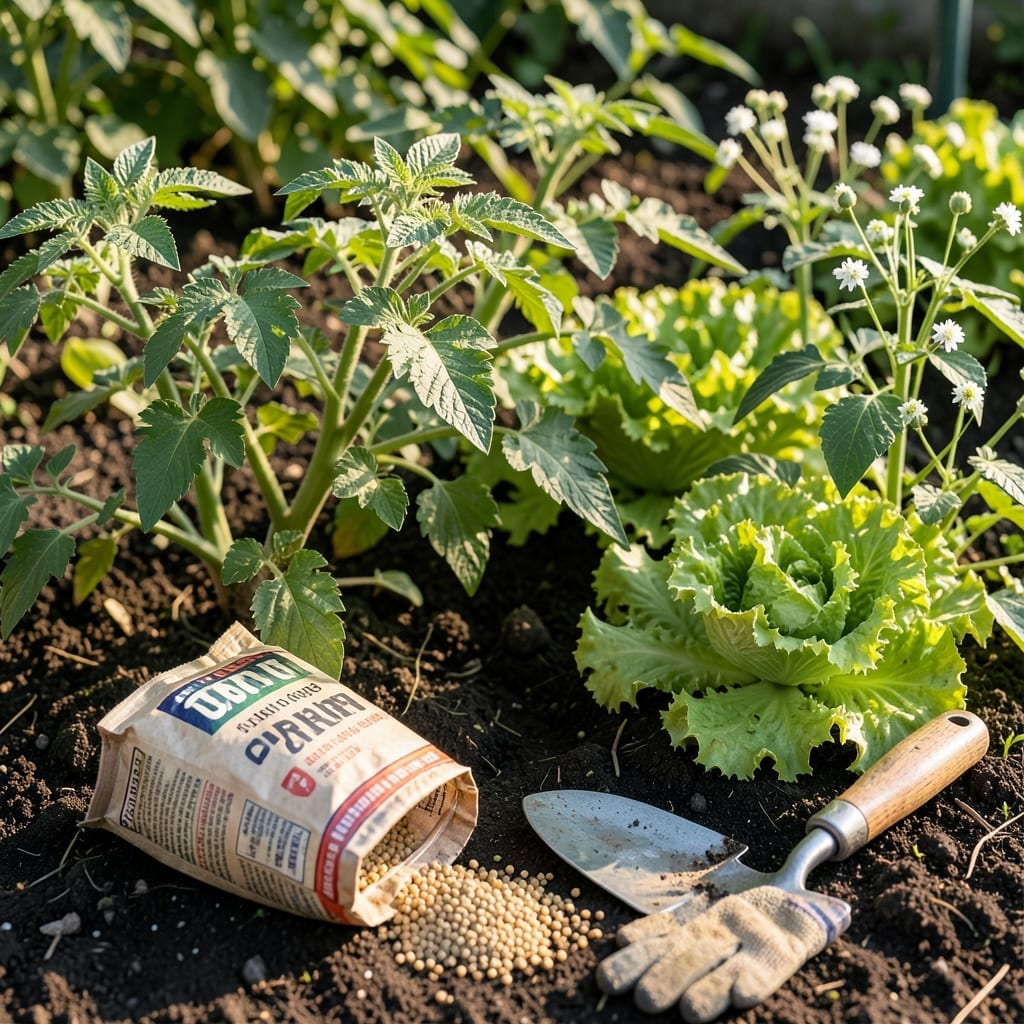
Fertilize garden beds in early spring before planting and again in mid-summer for established plants. Avoid fertilizing in late fall to prevent tender new growth before winter.
I’ve learned that timing fertilizer applications with plant growth cycles maximizes nutrient uptake. Early spring feeding fuels root development, while the mid-summer boost supports flowering and fruiting. Skipping late fall applications prevents frost damage to vulnerable new shoots. 💫
Testing soil before fertilizing ensures I’m addressing actual deficiencies rather than guessing. This saves money and prevents over-application that can harm plants.
💡 In This Article
Plants absorb nutrients most efficiently when soil temperatures reach 50-60°F. This is why early spring feeding works so well—warming soils activate microbial life that breaks down fertilizer into forms roots can use. The growth hormones that trigger new shoots and leaves are most active during this period, making nutrients readily available for rapid development. 🔥
Mid-summer applications support the heavy demands of flowering and fruiting. At this stage, plants need 30-50% more phosphorus and potassium than nitrogen to develop strong cell walls and produce abundant blooms or harvests. The longer daylight hours also mean more photosynthesis, which increases nutrient uptake rates by up to 40% compared to spring. ⚡
Late fall fertilization is risky because new growth triggered by nitrogen won’t have time to harden off before frost. These tender shoots are more susceptible to freezing temperatures, which can damage or kill the plant. Additionally, winter runoff can carry unused nutrients into waterways, contributing to pollution. 💫
Seasonal weather patterns play a role too. Heavy spring rains can leach water-soluble fertilizers like nitrate before plants use them. That’s why slow-release organic options work better in wet springs. Conversely, summer drought conditions may require light watering before and after application to help nutrients reach root zones. ✨
For cool-season crops like lettuce or spinach, a light feeding in early fall can extend the harvest. However, stop all fertilization 6-8 weeks before your first expected frost date to allow plants to enter dormancy naturally. This timing helps perennials store energy in their roots for next year’s growth. 🌟
No, mid-summer is also ideal for established plants needing a boost. Early spring feeds root growth, while summer applications support flowering and fruiting. Avoid late fall to prevent frost damage.
Test soil 2-3 weeks before feeding. Most vegetables prefer pH 6.0-7.0. Yellow leaves or stunted growth often signal nutrient deficiencies. A $10-$20 home test kit provides clear answers.
Wait 1-2 weeks to let roots establish. Freshly planted seedlings are vulnerable to fertilizer burn. Water thoroughly first, then apply a gentle, balanced formula.
Heavy rain can wash away water-soluble nutrients like nitrate. Use slow-release organic fertilizers in wet weather. Always check the forecast and avoid applying before downpours.