
Beautiful Plants For Your Interior
Beautiful Plants For Your Interior
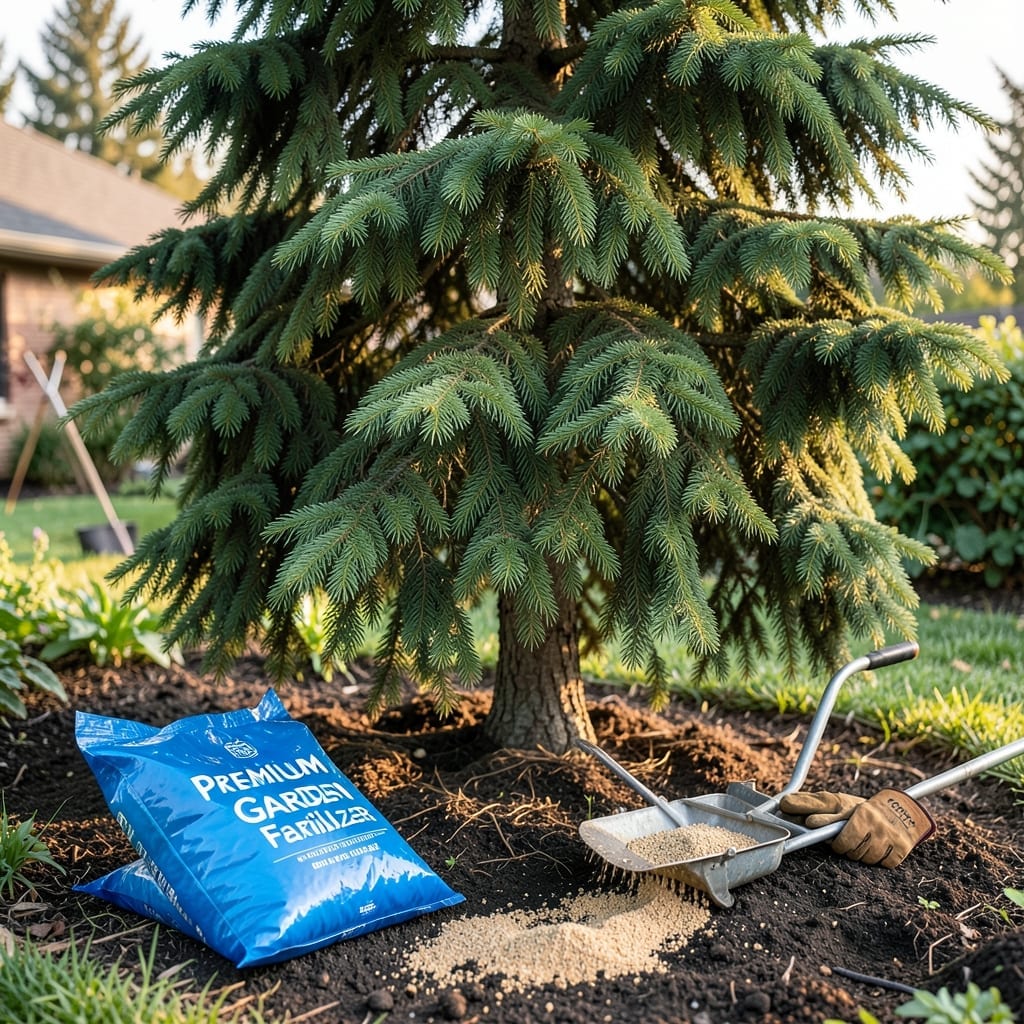
Timing is everything when it comes to fertilizing your 🌲 Evergreen Tree—do it right, and you’ll see vibrant, healthy growth year after year.
Get it wrong, and you risk wasting effort or even harming your trees. The good news? There’s a simple seasonal rhythm to follow.
I’ve learned that understanding when to feed your Evergreen Tree can make all the difference. Whether you’re a seasoned gardener or just starting out, this timing matters more than you think.
Let me share the key moments in the year when your trees need that nutritional boost most, so you can enjoy lush, thriving greenery without the guesswork.
I’ve found that timing your fertilization can make or break your evergreen trees’ health. The best windows align with their natural growth cycles, ensuring they absorb nutrients effectively.
In my experience, early spring and early fall are the prime times to fertilize. These seasons coincide with active root growth, when trees can best utilize the added nutrients.
| Season | Timing | Purpose |
|---|---|---|
| Early Spring | April-May | Boosts new growth |
| Early Fall | September | Strengthens root system |
| Summer | June-August | Light feeding only |
| Winter | December-Feb | Avoid fertilizing dormant trees |
Early spring fertilization gives your evergreens a nutrient boost just as they’re coming out of dormancy. This is when they need it most to support new foliage and branch growth.
I always recommend using a slow-release fertilizer with a 10-8-6 NPK ratio in spring. This provides balanced nutrition that lasts through the growing season without overwhelming the tree.
Early fall is your second golden window. Fertilizing in September helps trees build strong root systems before winter. This is crucial for their survival during cold months.
In fall, I switch to a low-nitrogen formula to avoid promoting tender new growth that could be damaged by frost. The focus should be on phosphorus and potassium for root development.
Avoid fertilizing in late fall or winter. The trees are dormant, and the nutrients won’t be absorbed. You’re just wasting money and potentially harming the soil.
Summer fertilization requires caution. If you must fertilize, use a light application and water deeply afterward. The heat can stress trees, making them more susceptible to fertilizer burn.
I’ve seen many gardeners make the mistake of heavy summer feeding. This can lead to salt buildup in the soil, which actually harms your evergreens rather than helping them.
I always watch for visual cues that my evergreen trees might need a nutrient boost. These signs often appear before growth problems become severe, giving you time to act.
Yellowing needles or sparse foliage are classic red flags. When the vibrant green starts fading, it often means your tree isn’t getting enough nitrogen or other essential nutrients.
Key Signs Your Evergreen Needs Fertilizer:
I’ve noticed that stunted growth is another clear indicator. If your tree isn’t adding the usual 6-12 inches of new growth annually, it might be starving for nutrients.
A thinning canopy often signals trouble. When branches that were once dense start looking bare, it’s time to investigate. This could mean your tree isn’t getting enough phosphorus or potassium.
Don’t overlook needle discoloration either. Purple or red tips often indicate a phosphorus deficiency, while general yellowing suggests nitrogen shortage. These are your tree’s way of sending an SOS.
I also pay attention to recovery rate after winter. Healthy evergreens bounce back quickly in spring. If yours is slow to show new growth, it might benefit from a balanced fertilizer application.
Remember, these signs often appear gradually. Regular observation is key to catching problems early, before they affect your tree’s long-term health 🌲