
Beautiful Plants For Your Interior
Beautiful Plants For Your Interior
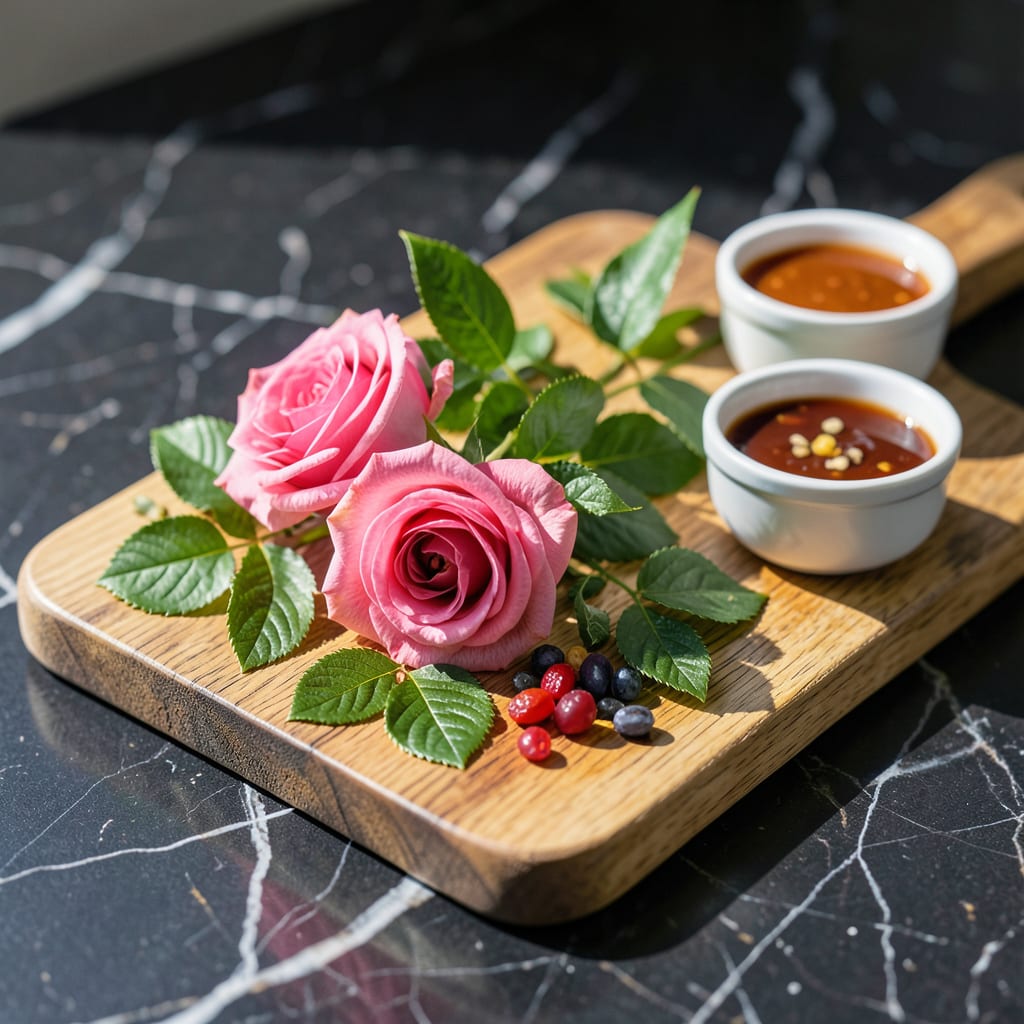
Fertilizing your Drift Rose 🌹 at the right time is crucial for maximizing its bloom potential. In USDA Zone 6, the growing season typically starts in early spring.
I recommend fertilizing your Drift Rose in early spring and continuing every 4-6 weeks through late summer for optimal growth and blooming. Let’s dive into the details to ensure your Drift Rose thrives.

Fertilizing Drift Roses at the right time is crucial for maximizing their bloom potential and maintaining their health throughout the growing season. In USDA Zone 6, the growing season typically starts in early spring, around late March to early April.
I recommend fertilizing your Drift Rose in early spring and continuing every 4-6 weeks through late summer for optimal growth and blooming. The exact timing depends on your location and climate conditions.
Understanding the optimal fertilization schedule for Drift Roses is essential for maintaining their health and promoting blooming. The fertilization frequency should be every 4-6 weeks during the growing season.
For Drift Roses in USDA Zone 6, the growing season typically starts in early spring and continues through late summer. During this period, it’s crucial to maintain a consistent fertilization schedule to support plant growth and blooming.
The type of fertilizer used is also important. A balanced fertilizer with an NPK ratio of 10-10-10 is recommended for Drift Roses. This balanced formula provides the necessary nutrients for healthy foliage and abundant blooms.
When applying fertilizer, it’s essential to follow the recommended application rate. For Drift Roses, the typical application rate is about 1 cup of fertilizer per plant. However, this can vary depending on the specific product and plant size, so always check the product label for specific instructions.
Timing of fertilization is also crucial. The best time to fertilize is in the early morning, when the plant is well-hydrated and less stressed by heat.
By following this fertilization schedule and using the right type of fertilizer, you can ensure your Drift Roses receive the nutrients they need to thrive throughout the growing season 🌹.
The fertilization schedule should be adjusted according to the plant’s growth stage and seasonal changes. In early spring, start with a balanced fertilizer to promote new growth. Continue with light feeding every 4-6 weeks through late summer.
As the growing season progresses, monitor your plants for signs of nutrient deficiency or excess. Adjust the fertilization schedule as needed based on plant response and soil conditions.
Fertilizing Drift Roses at the right time is crucial for maximizing their bloom potential and maintaining their health throughout the growing season. In USDA Zone 6, the growing season typically starts in early spring, around late March to early April 🌹.
I recommend fertilizing your Drift Rose in early spring and continuing every 4-6 weeks through late summer for optimal growth and blooming. The exact timing depends on your location and climate conditions.
The fertilization frequency for Drift Roses should be every 4-6 weeks during the growing season. For plants in USDA Zone 6, this means starting in early spring and continuing through late summer.
A balanced fertilizer with an NPK ratio of 10-10-10 is recommended for Drift Roses. This provides the necessary nutrients for healthy foliage and abundant blooms 🌼.
When applying fertilizer, follow the recommended application rate of about 1 cup per plant. Always check the product label for specific instructions.
The best time to fertilize is in the early morning when plants are well-hydrated and less stressed by heat ☀️.
Adjust the fertilization schedule according to the plant’s growth stage and seasonal changes. Monitor plants for signs of nutrient deficiency or excess and adjust accordingly.
By following this fertilization schedule and using the right type of fertilizer, you can ensure your Drift Roses thrive throughout the growing season and produce abundant blooms 🌹.
For optimal results, combine fertilization with other good gardening practices such as proper watering and pruning.
Regular monitoring of plant health will help you make adjustments to your fertilization schedule as needed.
Maintaining healthy Drift Roses requires more than just proper fertilization. I recommend combining fertilization with other good gardening practices to ensure optimal growth and blooming 🌹.
First, it’s essential to provide your Drift Roses with the right amount of water. Water them weekly during spring and fall, and twice a week during summer. Make sure the soil is moist but not waterlogged.
Monitor your Drift Roses regularly for signs of nutrient deficiency or excess, and adjust your fertilization schedule accordingly.
Pruning is another critical aspect of Drift Rose care. Prune your plants in early spring to promote new growth and encourage blooming. Remove any dead or diseased branches to maintain plant health.
In addition to fertilization, watering, and pruning, it’s also important to manage pests and diseases. Keep an eye out for common rose pests like aphids and spider mites, and treat them promptly if you notice any issues.
By following these tips and maintaining a consistent care routine, you can enjoy healthy and thriving Drift Roses throughout the growing season 🌼.
Regularly inspecting your plants and adjusting your care practices as needed will help prevent problems and ensure optimal performance.
For more specific advice tailored to your local climate and soil conditions, consider consulting with a local gardening expert or checking resources specific to your area.
Fertilize your Drift Roses every 4-6 weeks during the growing season, which typically starts in early spring and continues through late summer. This frequency supports optimal growth and blooming. For best results, use a balanced fertilizer (10-10-10 NPK) and follow the recommended application rate.
A balanced fertilizer with an NPK ratio of 10-10-10 is recommended for Drift Roses. This type of fertilizer provides the necessary nutrients for healthy foliage and abundant blooms. It’s suitable for promoting overall plant health and supporting continuous flowering throughout the growing season.
No, it’s best to stop fertilizing Drift Roses in late summer as the plants prepare for dormancy. Fertilizing in fall can promote new growth that may not have time to harden off before winter, potentially damaging the plant. Instead, focus on preparing your roses for winter by reducing watering and protecting them from extreme cold.
The early morning is the best time to fertilize Drift Roses. This timing allows the plants to absorb the nutrients throughout the day, and it reduces the risk of burning the roots or leaves that can occur when fertilizing during the hottest part of the day.
