
Beautiful Plants For Your Interior
Beautiful Plants For Your Interior
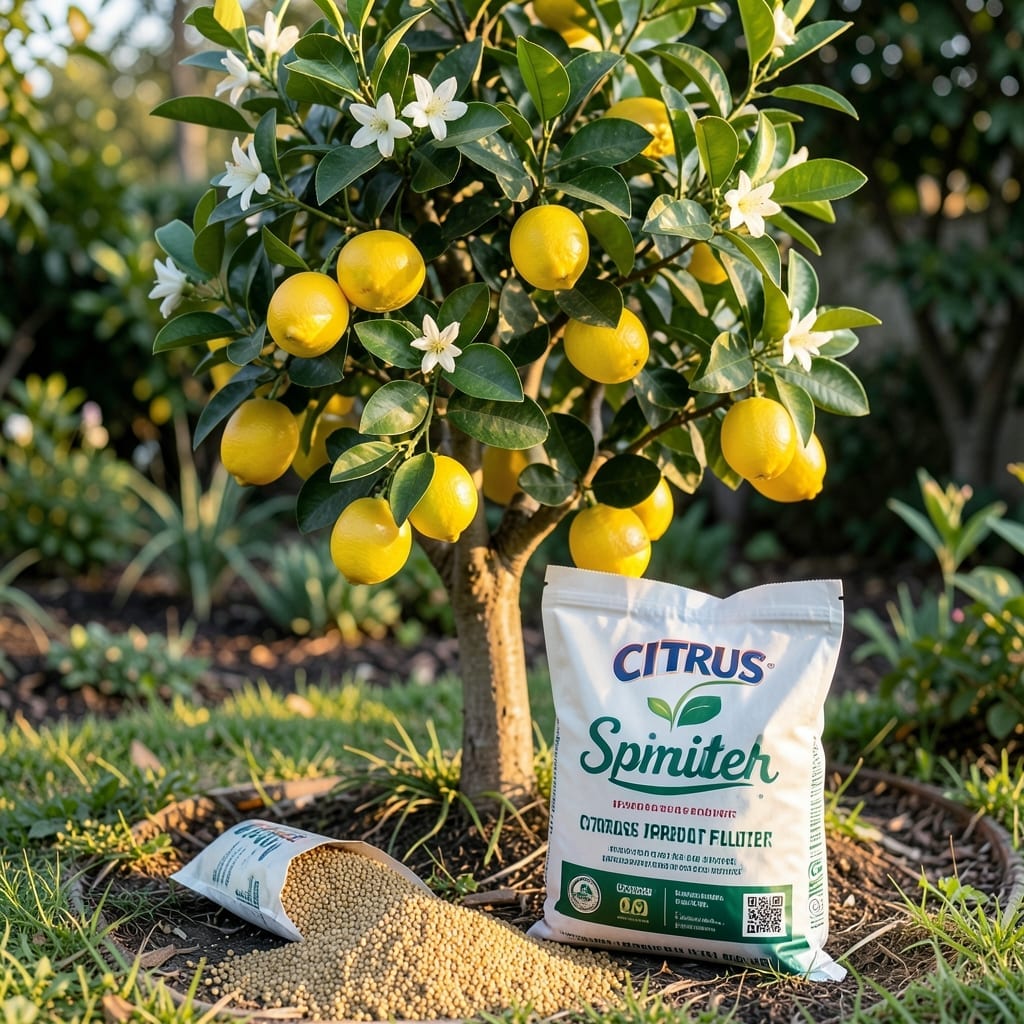
Timing your Citrus Tree fertilization in Tucson’s harsh desert climate can make or break your harvest. Get it wrong, and you might as well be pouring nutrients down the drain.
The 9a zone’s extreme heat and dry soil demand a precise approach. I’ve seen too many gardeners struggle by following generic advice that doesn’t account for Tucson’s unique conditions.
What if you could sync your feeding schedule with the spring growth surge and avoid wasting effort during dormant months? There’s a better way to nourish your 🍊 trees.
Discover the seasonal rhythm that keeps your Citrus Trees thriving year-round, even when temperatures soar or dip unexpectedly.
Timing your citrus tree fertilization in Tucson is critical due to our extreme heat and desert soil. The right schedule ensures healthy growth without wasting nutrients or harming your trees.
I’ve found that seasonal adjustments are key—what works in spring won’t suit summer’s scorching temps. Let’s break it down month by month for Tucson’s unique climate.☀️
| Season | Action | Notes |
| Early Spring (Feb-Mar) |
Feed | Begin as new growth appears. Use balanced 8-8-8 fertilizer. |
| Late Spring (Apr) |
Feed | Continue every 4-6 weeks. Watch for flowering. |
| Summer (May-Aug) |
Skip | Avoid fertilizing during extreme heat to prevent nutrient burn. |
| Early Fall (Sep) |
Light Feed | Use half-strength to support root development. |
| Late Fall (Oct) |
Feed | Apply full-strength to prep for winter dormancy. |
| Winter (Nov-Jan) |
Skip | Tree is dormant. No fertilizing needed. |
In early spring, I start fertilizing as soon as I see new growth emerging. This is when your citrus trees are waking up from dormancy and need nutrients most.
A balanced fertilizer like 8-8-8 or 10-10-10 works best here. I prefer granular types for slow release, but liquid feeds can give a quick boost if needed.
By late spring, your trees should be in full swing. Keep feeding every 4-6 weeks, but stop before the summer heat kicks in. Tucson’s 100°F+ days can stress trees, and fertilizing then does more harm than good.
Once monsoon season hits, it’s time to pause. The combination of high temps and humidity can lead to nutrient burn if you’re not careful. I’ve seen trees suffer from over-fertilizing during this time.
In early fall, a light feeding helps trees recover from summer stress. Use half the usual amount to avoid overloading them before winter.
By late fall, a final full-strength feed prepares your trees for dormancy. This supports root growth during the cooler months, ensuring a strong start next spring.
Remember, winter is for resting. Your citrus trees are dormant, and fertilizing now won’t help—it might even disrupt their cycle. Save your efforts for when they’ll make the most impact.
Always water deeply after fertilizing to help nutrients reach the roots. In Tucson’s dry soil, this step is non-negotiable for preventing fertilizer burn.🌿
Choosing the right fertilizer for citrus trees in Tucson means matching it to our desert soil and climate extremes. The wrong type can waste money or even harm your trees.
I’ve tested both organic and synthetic options—each has pros depending on your goals. Let’s compare what works best for Tucson’s tough conditions.☀️
| Type | Best For | Application Tips |
| Organic | Soil health | Use compost or citrus-specific blends. Slow release, great for long-term growth. |
| Synthetic | Quick results | Choose 8-8-8 or 10-10-10. Apply granular every 4-6 weeks in growing season. |
| Liquid | Fast absorption | Best for quick fixes. Use half-strength in summer heat to avoid burn. |
For organic fertilizers, I love using composted manure or citrus-specific mixes. They improve soil structure and feed beneficial microbes, which is crucial in Tucson’s sandy, low-organic soil.
Synthetic fertilizers give faster results, which is handy for correcting deficiencies. Just be careful with timing—never apply during peak summer heat or you risk burning roots.
If you prefer liquid fertilizers, dilute to half strength in hot months. I’ve found this prevents nutrient shock while still giving trees a boost when needed.
Always water deeply after applying any fertilizer. In our arid climate, this step ensures nutrients move into the root zone instead of sitting on the surface.🌱