
Beautiful Plants For Your Interior
Beautiful Plants For Your Interior
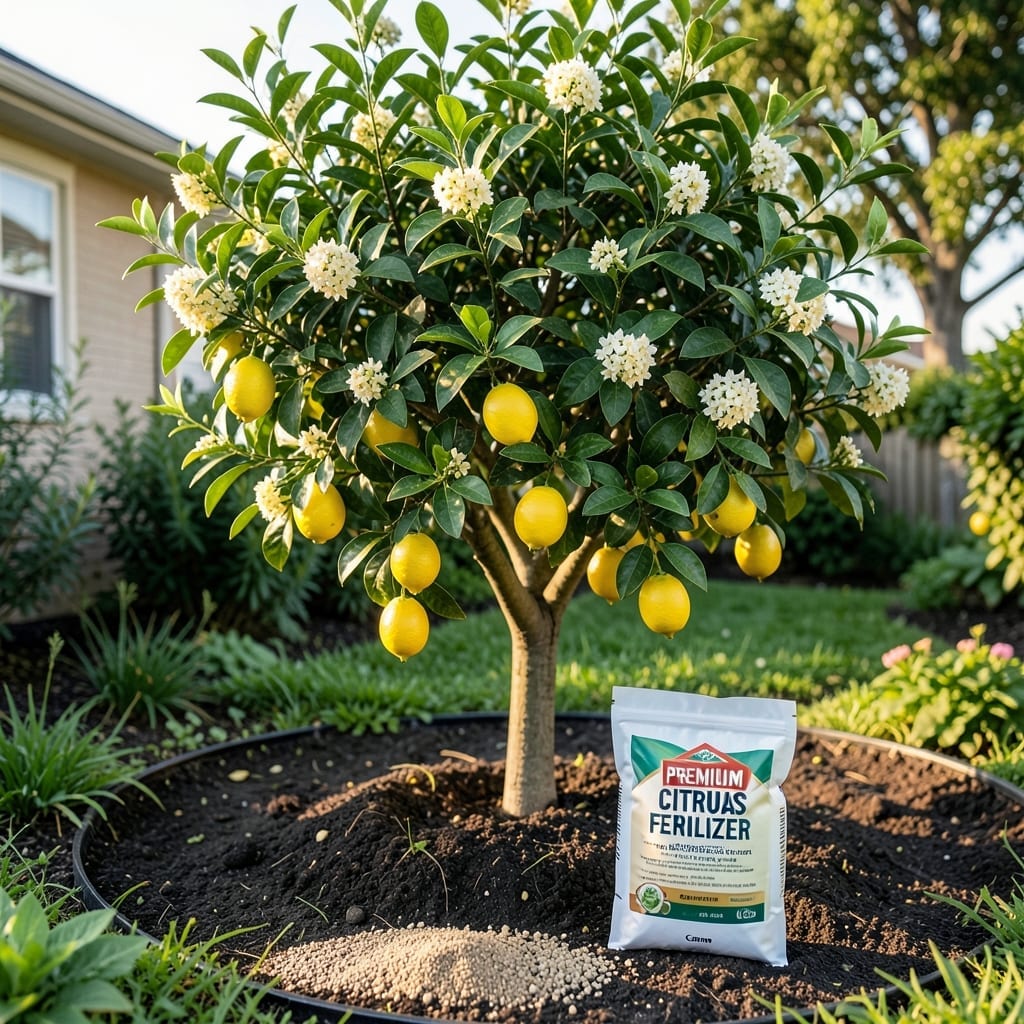
Arizona’s intense heat and unique soil conditions make citrus fertilization a science of its own. Timing it wrong can waste money or even harm your 🍊 trees.
I’ve learned the hard way that every 4-6 weeks isn’t always the answer here. The desert climate demands a smarter approach.
What if you could sync your feeding schedule with the tree’s natural growth cycles? That’s the key to thriving Citrus in zone 9b.
Discover how to match your fertilization timing with Arizona’s seasons for healthier trees and bigger harvests.
Getting the timing right for fertilizing citrus trees in Arizona is crucial. Our desert climate and alkaline soil demand a tailored approach. I’ve found that following the natural growth cycles of citrus works best here.
The growing season in Arizona starts earlier than in many regions. For most areas like Phoenix and Tucson, late February to early March is ideal for the first feeding. This aligns with the pre-bloom stage when trees need nutrients most.
| Season | Months | Action |
|---|---|---|
| Winter | Dec – Jan | Skip fertilization |
| Early Spring | Feb – Mar | Full feed for pre-bloom |
| Late Spring | Apr – May | Light feed every 4-6 weeks |
| Summer | Jun – Aug | Light feed, monitor for heat stress |
| Fall | Sep – Oct | Final feed before dormancy |
In early spring, I recommend a balanced fertilizer like 10-10-10. This gives your citrus trees the nitrogen boost they need for new growth and flowering.
As temperatures rise in late spring, switch to a light feeding schedule. The Arizona heat can stress trees, so I reduce the amount slightly but maintain the 4-6 week interval. This keeps growth steady without overwhelming the plants.
During summer months, the focus shifts to maintenance. A light application of fertilizer every 6 weeks helps sustain growth. I always check for signs of heat stress like yellowing leaves before feeding.
September and October are critical for the final push before dormancy. I use a full feed to help trees store nutrients for winter. This is especially important in Arizona where winters are mild but can still slow growth.
From November through January, I stop fertilizing completely. The trees enter a semi-dormant state, and feeding them now could stimulate new growth that’s vulnerable to cold snaps. It’s a resting period for both the trees and me!
For young citrus trees (1-3 years old), I reduce the amount of fertilizer by half. Their root systems are still developing, and too much fertilizer can burn the roots. Always follow package instructions for your tree’s age and size.
In Arizona’s unique climate, timing your fertilization with these seasonal cues will keep your citrus trees healthy and productive year after year 🌳
Arizona’s alkaline soil and intense heat require special fertilizer choices for citrus trees. I’ve tested various options and found that the right NPK ratio and micronutrients make all the difference here.
The ideal fertilizer should address iron and zinc deficiencies common in our soil. A 10-10-10 balanced fertilizer works well for most citrus, but I often add chelated iron separately for my trees.
| Type | NPK Ratio | Best For |
|---|---|---|
| Balanced Synthetic | 10-10-10 | General growth, easy to find |
| Citrus-Specific | 12-6-6 | Arizona soil, micronutrients |
| Organic | 5-5-5 | Slow release, soil health |
| Liquid Feed | 20-10-10 | Quick boost, foliar uptake |
For mature citrus trees, I prefer citrus-specific fertilizers with a 12-6-6 ratio. These are formulated with extra iron, zinc, and manganese that our desert soil often lacks.
Organic options like compost or fish emulsion work well but require more frequent application. I use these as supplements between synthetic feedings for a balanced approach.
During peak summer heat, I switch to liquid fertilizers for quicker absorption. The 20-10-10 ratio gives a nitrogen boost when trees need it most, but I dilute it to avoid burning roots.
Always water deeply before and after fertilizing. This prevents root burn and helps nutrients reach the root zone in our fast-draining soil. In Arizona, this step is non-negotiable 🌳