
Beautiful Plants For Your Interior
Beautiful Plants For Your Interior
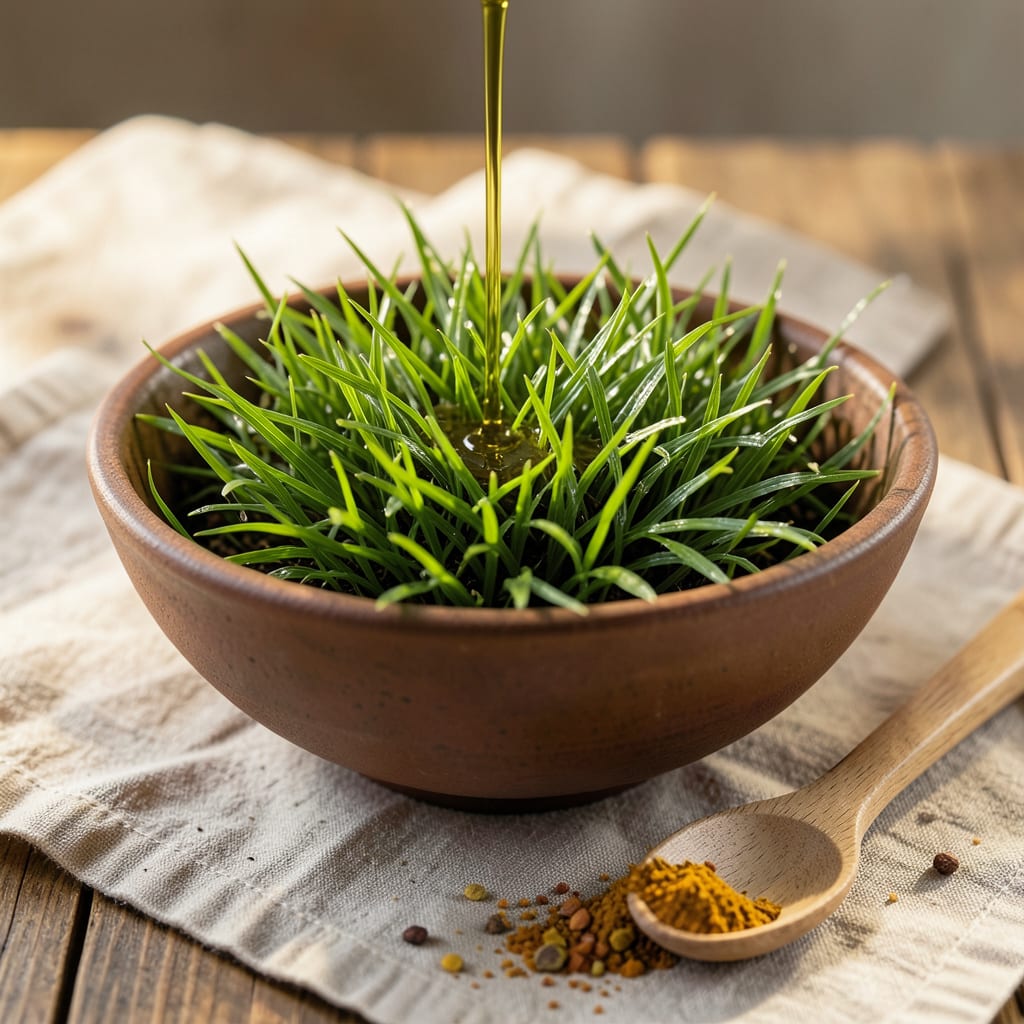
Growing Centipede Grass 🌿 in South Carolina‘s warm climate can be rewarding, but it requires careful fertilization timing. Too early or too late, and you risk damaging your lawn.
I’ve learned that fertilizing at the right moment makes all the difference. In South Carolina’s USDA Zone 8b, the key is understanding when your Centipede Grass needs nutrients most. Let’s explore the best fertilization schedule for a lush, healthy lawn.

Fertilizing Centipede Grass in South Carolina requires understanding the state’s climate and soil conditions. The ideal fertilization times are during the growing season when the grass can best utilize the nutrients.
In South Carolina’s USDA Zone 8b, Centipede Grass typically thrives during the warmer months. The key is to fertilize at the right times to promote healthy growth and avoid over-fertilization.
The fertilizer type is recommended to be 15-0-15 NPK, which provides the necessary nutrients without overloading the lawn with excessive nitrogen. This ratio helps maintain the health and vigor of the Centipede Grass throughout the growing season.
It’s also crucial to consider the soil conditions in your specific area of South Carolina. Testing your soil can help determine its nutrient content and pH level, allowing you to adjust your fertilization strategy accordingly.
By following these guidelines and understanding the specific needs of your Centipede Grass lawn, you can achieve a lush, healthy, and vibrant outdoor space.
Fertilization should be done in the early morning when the grass is still dew-kissed, reducing the risk of burning the lawn. Ensure you follow the recommended application rate of 1 lb per 1000 sqft to avoid over-fertilizing.
Regular maintenance, including proper watering and mowing, will also contribute to the overall health of your Centipede Grass lawn. 🌿
For more detailed information on maintaining Centipede Grass, consider consulting local gardening resources or a professional landscaper familiar with South Carolina’s climate and soil conditions.
Understanding the growth patterns of Centipede Grass and how it responds to different fertilization schedules is essential for optimal lawn care. This knowledge will help you make informed decisions about your lawn maintenance routine.
By combining the right fertilization timing with appropriate lawn care practices, you can enjoy a beautiful and resilient Centipede Grass lawn throughout the growing season.
Creating a fertilization schedule for Centipede Grass in South Carolina involves understanding the grass’s growth patterns and nutrient needs throughout the year. The goal is to provide the necessary nutrients at the right times to promote healthy growth and maintain a vibrant lawn.
In South Carolina’s USDA Zone 8b, Centipede Grass has specific fertilization requirements that vary by season. Here’s a breakdown of the recommended fertilization schedule:
Apply a balanced fertilizer after the grass has greened up. This initial feeding helps kickstart the growing season and promotes healthy growth.
Maintain fertilization during the peak growing season. Apply fertilizer every 6-8 weeks to keep the grass healthy and vibrant.
Apply a light feed to help prepare the grass for the upcoming winter. This final fertilization of the year helps strengthen the grass.
The recommended fertilizer type is 15-0-15 NPK, which is balanced and suitable for Centipede Grass. This ratio provides the necessary nutrients without overloading the lawn with excessive nitrogen.
It’s essential to follow the recommended application rate of 1 lb per 1000 sqft to avoid over-fertilizing. Fertilization should be done in the early morning when the grass is still dew-kissed.
By adhering to this fertilization schedule, you can maintain a healthy and vibrant Centipede Grass lawn throughout the year. Regular maintenance, including proper watering and mowing, will also contribute to the overall health of your lawn.
For more detailed information on maintaining Centipede Grass, consider consulting local gardening resources or a professional landscaper familiar with South Carolina’s climate and soil conditions.
Understanding the growth patterns of Centipede Grass and how it responds to different fertilization schedules is crucial for optimal lawn care. This knowledge will help you make informed decisions about your lawn maintenance routine.
Combining the right fertilization timing with appropriate lawn care practices will help you enjoy a beautiful and resilient Centipede Grass lawn throughout the growing season 🌿.
When fertilizing Centipede Grass in South Carolina, it’s crucial to avoid common mistakes that can damage your lawn. One of the most significant errors is over-fertilization, which can lead to excessive growth, increased susceptibility to disease, and environmental pollution.
Another critical mistake is using the wrong nutrient ratio. Centipede Grass requires a balanced fertilizer with a ratio like 15-0-15 NPK. Using a fertilizer with too much nitrogen can harm the grass and the environment.
Fertilizing at the wrong time can stress your Centipede Grass, making it vulnerable to pests and diseases. Avoid fertilizing during extreme weather conditions or when the grass is under stress.
Timing mistakes are also common when fertilizing Centipede Grass. Fertilizing too early in the spring or too late in the fall can be detrimental. It’s essential to fertilize during the growing season when the grass can best utilize the nutrients.
To avoid these mistakes, it’s recommended to test your soil to determine its nutrient content and pH level. This information will help you adjust your fertilization strategy to meet the specific needs of your Centipede Grass lawn.
By being aware of these common fertilization mistakes and taking steps to avoid them, you can maintain a healthy, vibrant, and resilient Centipede Grass lawn in South Carolina 🌿.
A balanced fertilizer with a 15-0-15 NPK ratio is recommended for Centipede Grass in South Carolina. This ratio provides necessary nutrients without excessive nitrogen, promoting healthy growth and maintaining lawn vigor throughout the growing season. Using the right fertilizer type helps prevent over-fertilization and supports the grass’s overall health.
During the peak growing season (summer months), it’s recommended to fertilize your Centipede Grass lawn every 6-8 weeks. This frequency helps maintain the grass’s health and vibrancy. Be sure to follow the recommended application rate of 1 lb per 1000 sqft to avoid over-fertilizing. Regular fertilization, combined with proper watering and mowing, contributes to a lush and resilient lawn.
No, it’s not recommended to fertilize Centipede Grass during the winter months when the grass is dormant. Fertilization should be avoided during this time as it can cause unnecessary stress to the lawn. Instead, focus on fertilizing during the growing season (late spring to early fall) when the grass can best utilize the nutrients.
The best time to fertilize Centipede Grass is in the early morning when the grass is still dew-kissed. This timing reduces the risk of burning the lawn and allows for optimal nutrient absorption. Fertilizing in the early morning also helps minimize the risk of fertilizer being washed away by afternoon rain showers.
