
Beautiful Plants For Your Interior
Beautiful Plants For Your Interior
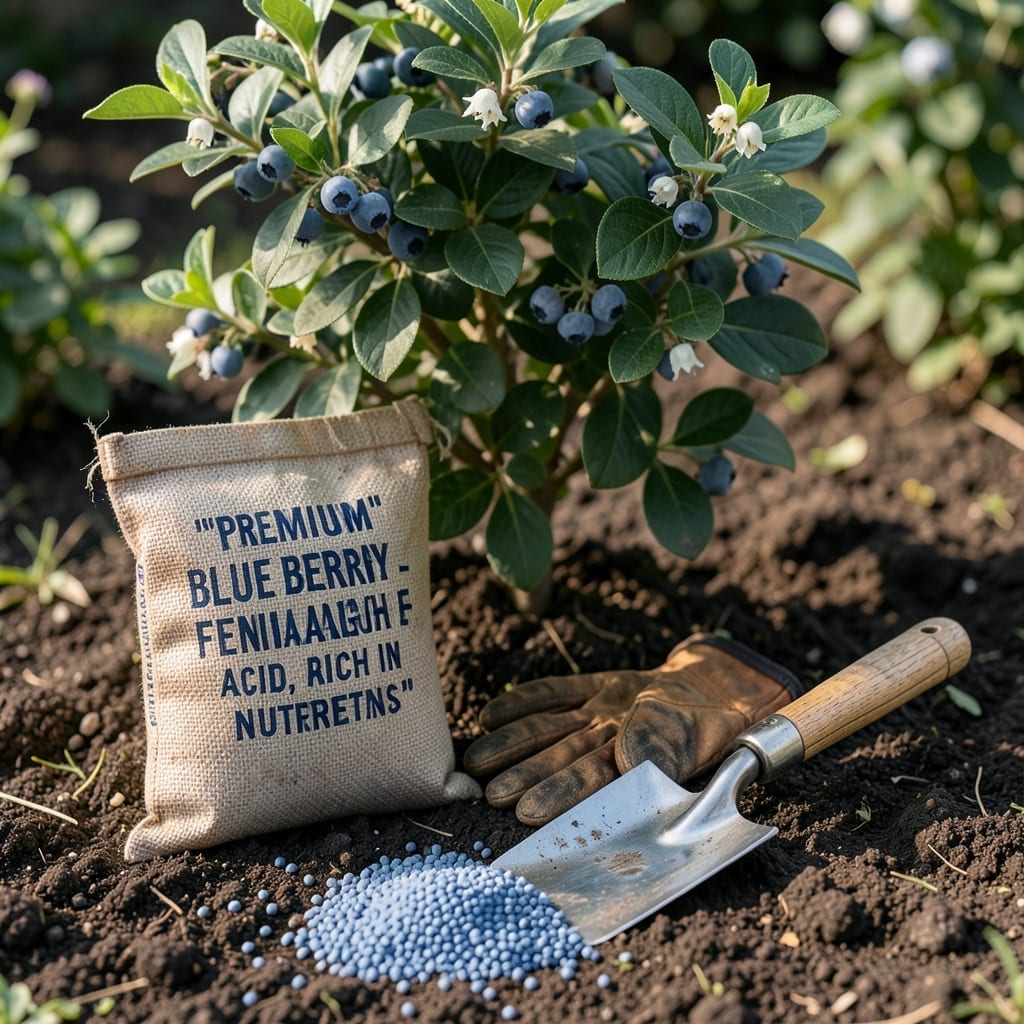
Timing your fertilization right can make or break your 🫐 Blueberry harvest in Florida. The state’s warm winters and sandy soil create unique challenges for these acid-loving shrubs.
I’ve seen firsthand how a well-timed feeding schedule transforms struggling bushes into thriving, fruit-laden plants. It’s not just about when you fertilize—it’s about working with Florida’s climate, not against it.
Whether you’re a seasoned gardener or just starting out, understanding the seasonal needs of your Blueberries is the key to success. And trust me, your taste buds will thank you come harvest time.
Let me walk you through the most important times to fertilize and the best methods to use. Your bushes will reward you with sweeter, more abundant berries.
Florida’s warm climate means blueberries have a longer growing season, but timing your fertilization is crucial. I’ve found that feeding at the right stages ensures healthy growth and a bountiful harvest. The key is aligning applications with the plant’s natural cycles.
In early spring, as new growth appears, I start with a light application of acid-loving fertilizer. This kickstarts the bushes after winter dormancy and prepares them for the growing season ahead.
| Season | Action | Frequency |
| Early Spring | Light Feed | Every 4-6 weeks |
| Late Spring | Full Feed | Every 4 weeks |
| Summer | Maintain Feed | Every 4-6 weeks |
| Fall | Light Feed | Every 6 weeks |
| Winter | Skip | None |
By late spring, when the bushes are in full growth mode, I switch to a full feed. This is when the plants are developing fruit, so they need more nutrients to support the berry production process.
During summer, I maintain the feeding schedule but watch for signs of over-fertilization, like yellowing leaves. Florida’s heat can stress the plants, so I ensure they get consistent moisture along with their nutrients.
As fall approaches, I scale back to a light feed to help the bushes prepare for dormancy. This is also a good time to test your soil pH and adjust if needed, as blueberries thrive in acidic soil with a pH of 4.5 to 5.5.
In winter, I stop fertilizing entirely. The plants are dormant, and adding nutrients now can do more harm than good. Instead, I focus on mulching to protect the roots from temperature fluctuations.
I’ve learned that consistency is key. Stick to the schedule, and your blueberries will reward you with sweet, plump fruits year after year. And remember, always water deeply after fertilizing to help the nutrients reach the root zone.
Florida’s sandy soil can leach nutrients quickly, so I often use slow-release fertilizers to ensure a steady supply. This is especially important during the peak growing season when the plants are working hardest.
Finally, keep an eye on the weather. Heavy rains can wash away fertilizers, so I adjust my schedule if we’ve had a particularly wet week. It’s all about balancing the needs of the plant with the conditions of our unique climate 🌿
Florida’s sandy soil drains quickly, which means nutrients can wash away before your blueberry bushes absorb them. I always choose fertilizers designed for acid-loving plants to match their pH preferences.
For best results, I use sulfur-coated urea or ammonium sulfate because they lower soil pH while providing essential nitrogen. These work well in our warm climate and help maintain the acidic conditions blueberries crave.
| Fertilizer Type | Best For | Application Rate |
| Sulfur-Coated Urea | Slow-release nitrogen | 1 oz per plant |
| Ammonium Sulfate | Quick acidifying boost | 1 lb per 100 sqft |
| Cottonseed Meal | Organic nitrogen source | 2-3 lbs per plant |
For organic gardeners, I recommend cottonseed meal or fish emulsion. These provide gentle, steady nutrition without the risk of chemical burn that synthetic fertilizers can cause in hot weather.
I’ve had great success with slow-release granules because they feed the plants gradually, which is perfect for Florida’s long growing season. This approach reduces the need for frequent applications and helps prevent nutrient leaching.
Lastly, avoid high-phosphorus fertilizers unless your soil test shows a deficiency. Too much phosphorus can interfere with iron uptake, leading to yellow leaves despite your best efforts 🌱