
Beautiful Plants For Your Interior
Beautiful Plants For Your Interior
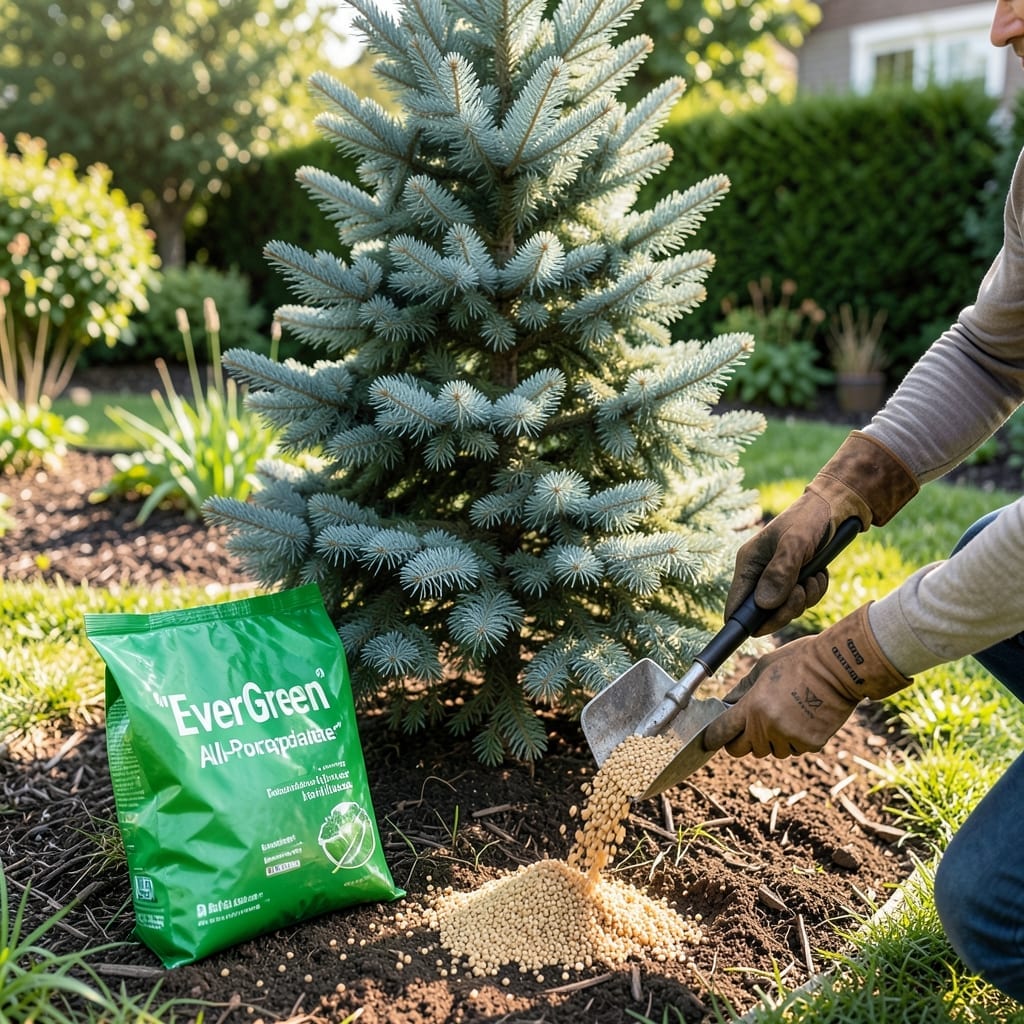
Timing your blue spruce fertilization correctly can mean the difference between a struggling tree and a vibrant, healthy 🌲 that thrives for decades. These majestic trees need the right nutrients at the right time.
I’ve learned that getting the timing wrong can actually harm your Blue Spruce. The best window aligns with its natural growth cycles, ensuring nutrients are absorbed most efficiently.
Whether you’re a seasoned gardener or just starting out, knowing when to act is the key. A little planning goes a long way in keeping your evergreen lush and resilient.
Discover the seasonal sweet spots and simple tips to make fertilization a breeze. Your Blue Spruce will thank you with vibrant color and robust growth.
Getting the timing right for fertilizing your blue spruce is crucial for its health and growth. I’ve found that the best time is early spring, just before the tree starts its new growth cycle.
This period, typically in April or early May, allows the tree to absorb nutrients efficiently as the soil warms up. It’s when the roots are most active and ready to utilize the fertilizer for robust development. 🌲
| Season | Action | Notes |
|---|---|---|
| Early Spring | Fertilize | Apply before new growth starts |
| Late Spring | Light Feed | Optional, for extra vigor |
| Summer | Avoid | Hot months stress the tree |
| Fall | Skip | Prevents late growth before winter |
| Winter | No Fertilizer | Tree is dormant |
Avoid fertilizing in the fall, as this can stimulate new growth that won’t have time to harden off before winter. This makes the tree more susceptible to cold damage and disease.
Summer fertilization is also not recommended. The heat can stress the tree, and the fertilizer may not be absorbed as effectively. Stick to the cooler, more temperate months for the best results.
If you’re unsure about the soil conditions, I suggest conducting a soil test first. This will help you determine if your blue spruce actually needs fertilizer and what type would be most beneficial.
For the application process, spread the fertilizer evenly around the base of the tree, extending out to the drip line. This is where the majority of the roots are located and can absorb the nutrients.
Water the area thoroughly after applying the fertilizer to help it soak into the soil and reach the root zone. This step ensures that the nutrients are available to the tree when it needs them most.
Remember, over-fertilizing can be just as harmful as under-fertilizing. Follow the recommended dosage on the fertilizer package, and don’t exceed it. Your blue spruce will thrive with the right care at the right time. 🌿
Lastly, consider the age of your tree. Young blue spruce trees may benefit from a lighter application, while mature trees can handle a standard dose. Always observe your tree’s response to fertilization and adjust as needed.
I’ve learned that blue spruce trees often show clear signs when they’re hungry for nutrients. The most obvious indicator is yellowing needles, especially in the older growth near the trunk. This discoloration often signals a nitrogen deficiency.
Another red flag is stunted growth. If your tree isn’t producing the expected new growth each spring, it might be lacking essential nutrients. A thin canopy with sparse branches is also a telltale sign. 🌲
I recommend checking the needle color first. Healthy blue spruce needles should be a vibrant blue-green. Any deviation from this color, particularly toward yellow or brown, indicates it’s time to fertilize.
Also, examine the branch tips. If they appear weak or brittle, your tree may need a nutrient boost. Remember, these symptoms can also indicate other issues like pests or disease, so always investigate thoroughly.
For accurate diagnosis, I suggest performing a soil test. This will reveal exactly which nutrients are deficient. Many garden centers offer affordable testing kits that provide results within days.
Once you’ve confirmed a deficiency, choose a balanced fertilizer formulated for evergreens. Apply it in early spring or late fall for best absorption, and always water deeply afterward. 🌿